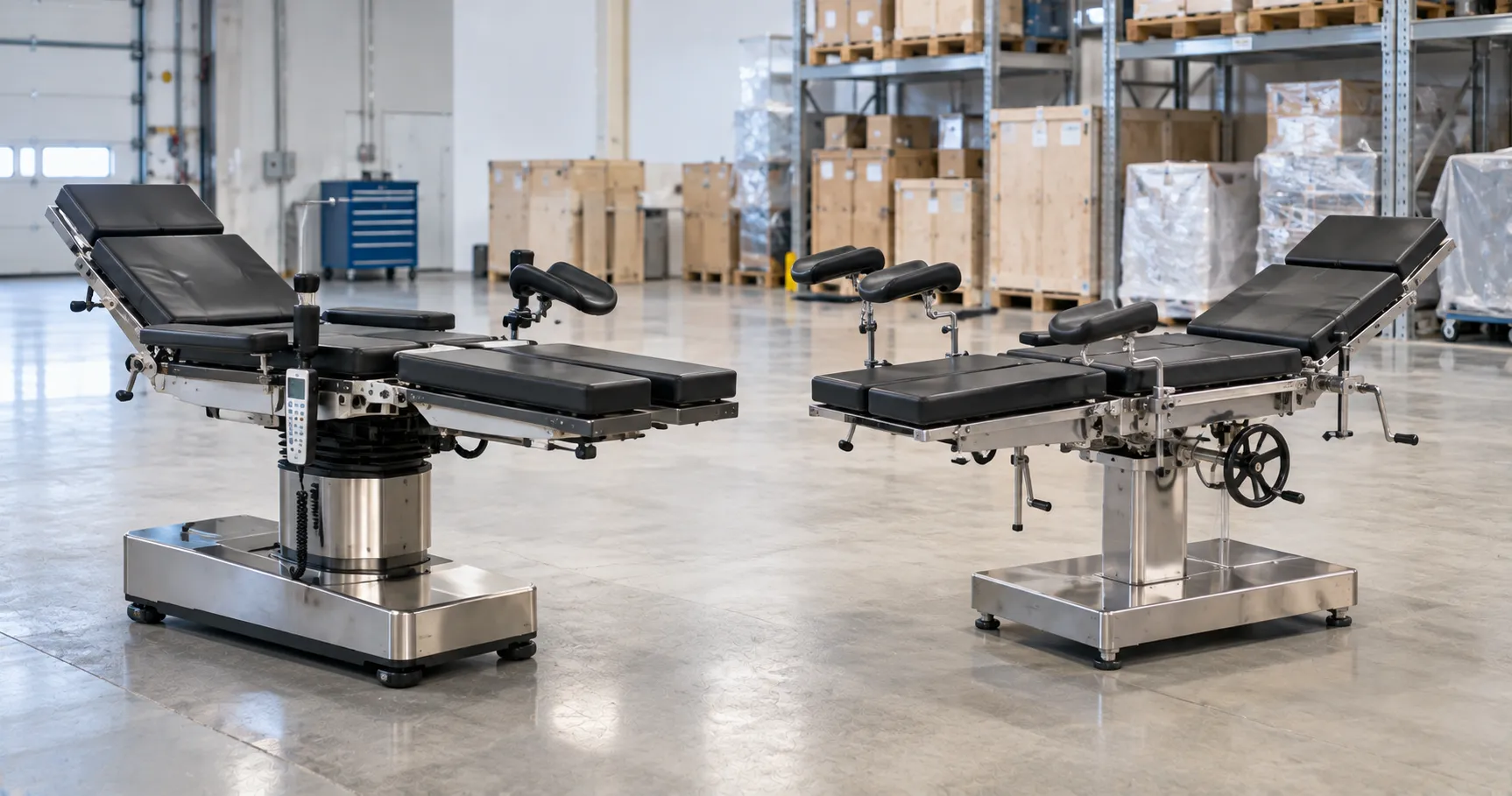

Healthcare teams often buy medical equipment under pressure: a department needs replacement devices, a new unit is opening, or old equipment is causing delays. The purchase may solve an immediate problem, but without lifecycle planning, the same equipment can later create maintenance gaps, spare parts issues, warranty confusion, downtime, unexpected repair costs, and difficult replacement decisions.
For healthcare buyers, medical equipment lifecycle planning connects procurement with the full service life of a device. WHO states that technical specifications support the procurement and acquisition of medical devices and help with planning for implementation, operation, and decommissioning, making lifecycle thinking essential before purchase approval. This guide explains how healthcare teams can plan for medical equipment from the initial requirements through replacement and end-of-life decisions.
How Lifecycle Planning Supports Clinical Equipment Decisions
Clinical Need Before Purchase Approval — Lifecycle planning starts with the clinical function that the equipment must support. A device used in critical care, diagnostics, surgery, emergency response, rehabilitation, mobile care, or routine outpatient services will have different service expectations, spare parts needs, and replacement timelines.
Procurement Linked to Long-Term Use — A purchase order should not be treated as the final step. In practice, procurement teams often find that devices with attractive pricing become difficult to manage when warranty, spare parts, training, manuals, and service routes are not checked early.
Asset Visibility From Day One — Every device should be entered into the asset register with its model, serial number, department, location, supplier, warranty date, service schedule, and responsible team. Without these records, healthcare teams struggle to track performance, maintenance history, and replacement priorities.
Service-Life Accountability — Lifecycle planning gives clear ownership across clinical users, biomedical teams, procurement managers, finance staff, and facility leaders. It helps each team understand when equipment should be inspected, repaired, upgraded, replaced, or retired.
Where Lifecycle Planning Matters Across Healthcare Settings
Large Teaching Hospitals — These facilities handle high equipment volumes across departments such as the ICU, operating rooms, imaging, laboratories, CSSD, emergency care, outpatient care, and rehabilitation. Facilities that have deployed equipment at scale tend to report better control when lifecycle records are standardised across departments.
District and Regional Hospitals — These hospitals often rely on durable equipment that can withstand heavy use with minimal downtime. Lifecycle planning helps teams decide whether to repair, replace, standardise, or upgrade devices before failures disrupt clinical workflow.
Facilities sourcing through regulated and certified equipment suppliers worldwide should request technical specifications, warranty terms, service manuals, spare parts lists, conformity documents, and maintenance requirements before confirming equipment purchases.
Community Health Centres — Smaller facilities may have fewer technical staff, so simple lifecycle records become valuable. One aspect that surprises first-time buyers is how much a missing service manual, spare battery, compatible cable, or replacement accessory can affect device availability.
Mobile and Point-of-Care Services — Mobile healthcare teams need portable equipment with reliable battery performance, transport protection, easy cleaning, and field-ready maintenance support. Lifecycle planning should include travel wear, charging routines, storage, repair access, and control of replacement accessories.
Lifecycle Details That Change Equipment Value
Technical Specification and Intended Use — Specifications should define clinical purpose, performance, accessories, power needs, compatibility, installation requirements, service expectations, and expected workload. WHO notes that technical specifications improve access to high-quality, safe, and efficacious medical devices, which supports careful planning before purchase or donation.
Warranty and Service Route — Warranty terms should explain coverage period, exclusions, parts responsibility, repair process, response route, and claim documentation. A long warranty can still be weak if the supplier does not provide a practical repair path in the destination market.
Maintenance and Performance Records — Lifecycle value depends on inspection, preventive maintenance, corrective maintenance, calibration where relevant, downtime records, and repair history. WHO’s maintenance programme guidance states that a maintenance strategy includes inspection, preventive maintenance, and corrective maintenance.
Digital Compatibility and Connected Devices — Connected equipment may need software records, interoperability checks, cybersecurity notes, network details, and data export planning. The FDA describes medical device interoperability as the safe, secure, and effective exchange of information among devices, products, technologies, or systems, so compatibility should be reviewed before purchase.
Procurement Evaluation Guidance for Lifecycle Planning
Total Cost of Ownership Review — Healthcare teams should compare the purchase price with the costs of accessories, consumables, freight, installation, training, preventive maintenance, calibration, spare parts, software, downtime, service contracts, and replacement timing. A budget-tier device can become expensive if repair support is weak or parts are difficult to obtain.
Supplier Documentation and Lifecycle Evidence — Buyers should request product specifications, manuals, service schedules, warranty files, conformity records, spare part lists, training information, and decommissioning guidance where available. Suppliers and manufacturers advertising to global healthcare buyers should expect procurement teams to request evidence that supports the full equipment lifecycle, not only the initial sale.
Compliance Variation by Destination Market — Requirements differ considerably across healthcare systems. Buyers should confirm applicable local regulatory standards, such as CE, FDA, or their regional equivalents, where relevant to the device type, risk level, import route, and intended use.
Replacement and Upgrade Triggers — Healthcare teams should define what will trigger replacement: repeated repairs, unavailable parts, rising downtime, poor compatibility, safety concerns, end of software support, or changing clinical demand. Clear triggers help finance and procurement teams prepare budgets before equipment failure becomes urgent.
Health networks that manage repeated purchases can reduce lifecycle variation through structured distribution and reseller partnership arrangements. Buyers with lifecycle planning needs, supplier documentation questions, or international sourcing requirements can contact the Medigear.uk team for supply support before confirming procurement decisions.
Maintenance, Service Life, and Replacement Control
Preventive Maintenance Discipline — Preventive maintenance should be scheduled from the installation stage rather than added later. WHO explains that preventive maintenance aims to extend equipment life and reduce failure rates, making planned servicing part of responsible lifecycle management.
Spare Parts and Consumables Planning — Spare parts availability directly affects service life. In markets where local support is limited, a device can become difficult to operate if probes, sensors, filters, boards, batteries, lamps, reagents, cables, or software support are unavailable.
Repair Versus Replacement Decisions — Healthcare teams should compare repair cost, downtime, clinical impact, remaining service life, and replacement cost. Experienced biomedical teams often recommend replacement when repeated repairs consume the budget without restoring dependable performance.
Global Demand and International Lifecycle Sourcing
Different Facility Priorities — Large hospitals may focus on standardised lifecycle records, service contracts, digital asset management, and replacement forecasting. Clinics, district hospitals, community health centres, and mobile services may prioritise durable equipment, simple servicing, affordable spare parts, and clear warranty terms.
Export Documentation and Service Continuity — International buyers should check invoices, packing lists, conformity records, manuals, warranty files, service terms, and parts availability before shipment. FDA import guidance explains that medical devices offered for import may be checked against requirements at import, showing why destination documentation should be confirmed early.
New and Refurbished Lifecycle Review — New equipment may provide a longer warranty, updated software, and easier access to current parts. Refurbished equipment can suit selected use cases when condition, service history, calibration evidence, warranty limits, and remaining service life are verified.
Final Thoughts
Medical equipment lifecycle planning helps healthcare teams manage equipment as a long-term clinical and financial asset. Strong planning begins before purchase and continues through installation, daily use, maintenance, service records, replacement decisions, and end-of-life control.
Procurement teams should involve clinicians, biomedical engineers, finance leaders, facility managers, IT teams, logistics coordinators, and compliance staff before approving major equipment purchases. Clear lifecycle planning improves equipment visibility, reduces avoidable downtime, strengthens supplier accountability, and supports smarter replacement decisions across healthcare facilities.
Disclaimer
Medigear.uk is a global medical equipment supplier, exporter, and distributor. The content published on this site is intended for educational and product awareness purposes only. Nothing on this page constitutes medical advice, clinical guidance, or treatment recommendations. All healthcare procurement and clinical decisions should be made by qualified medical professionals and compliant procurement teams operating within the regulatory frameworks of their respective countries.