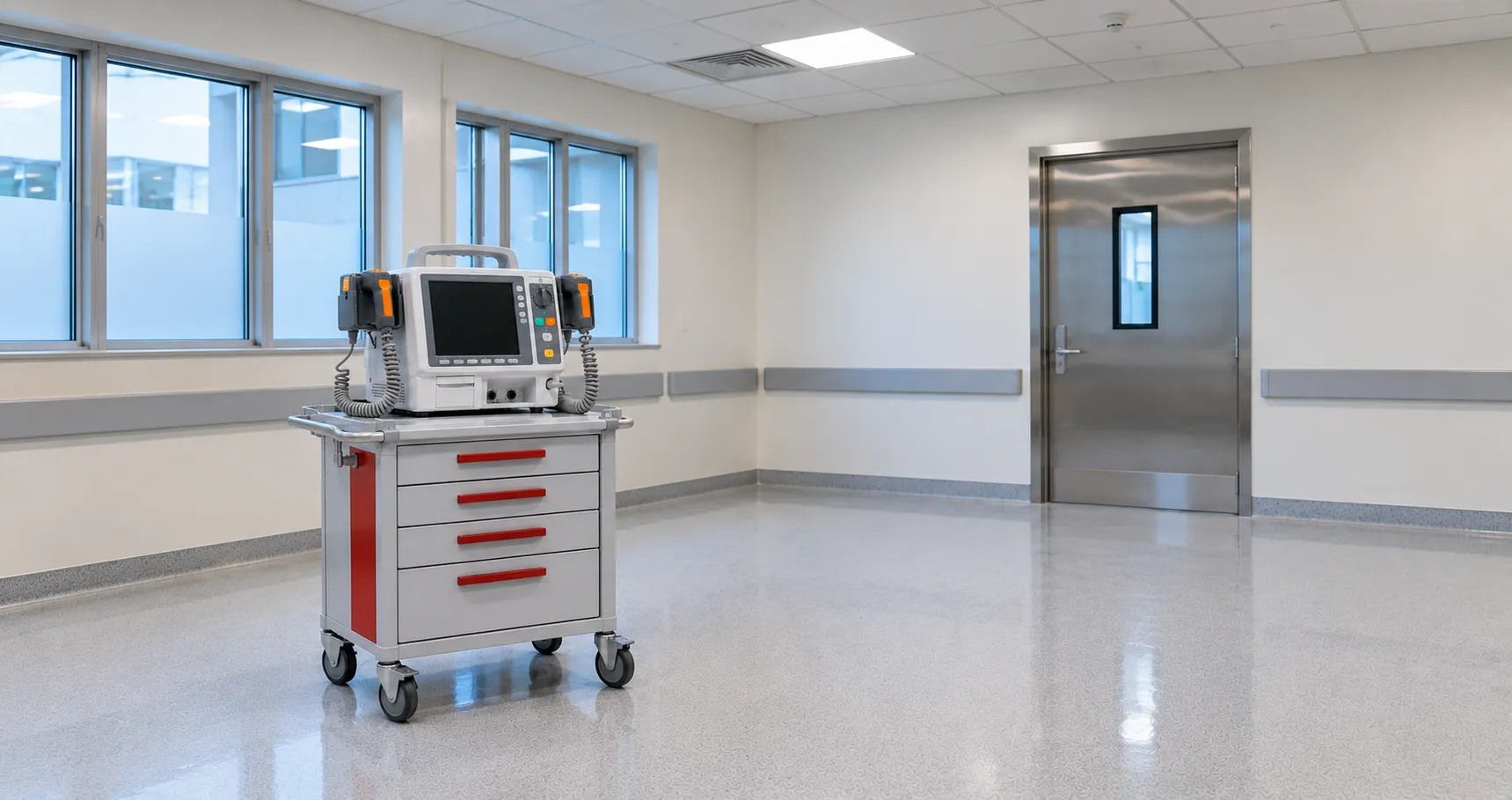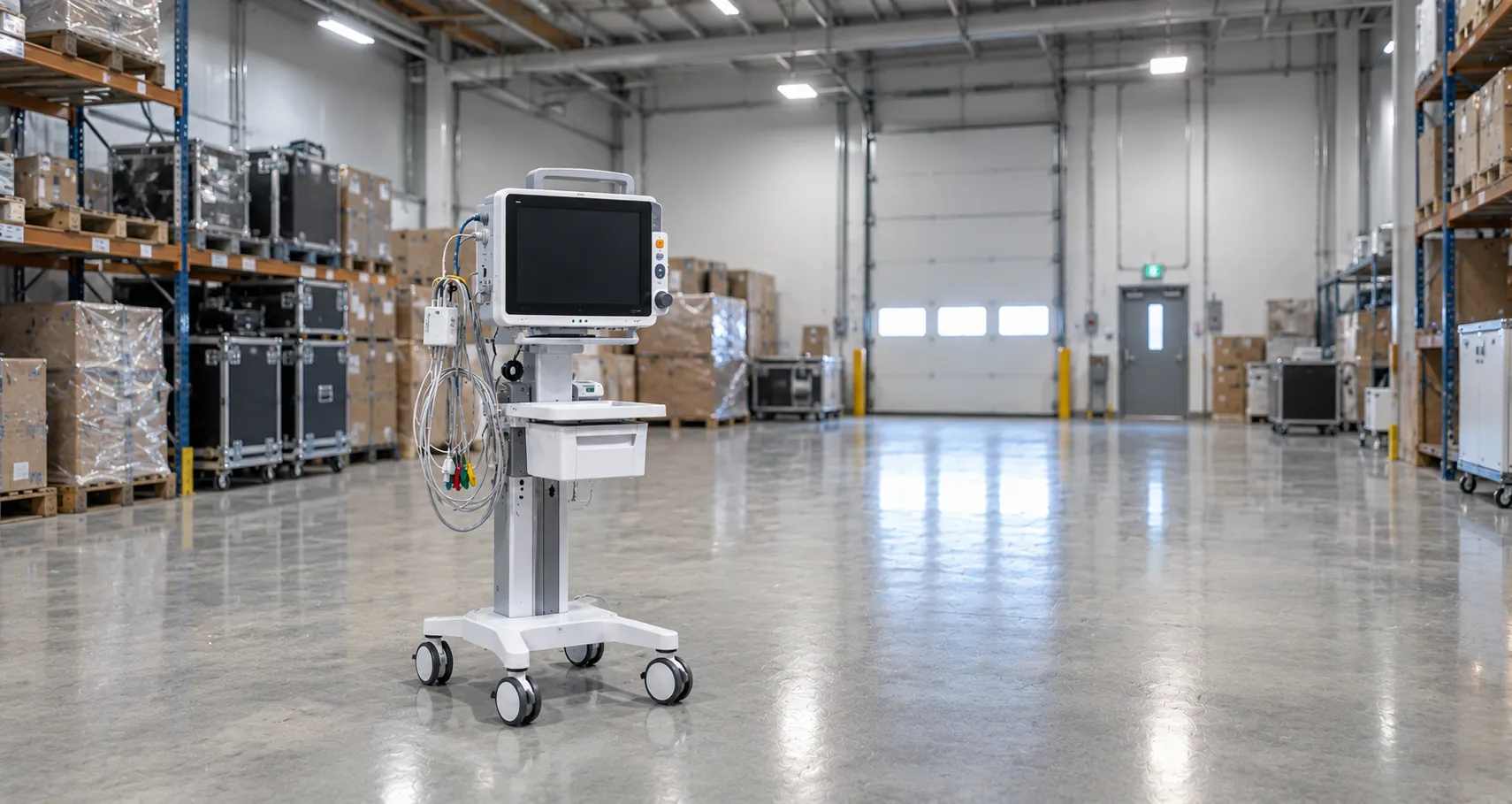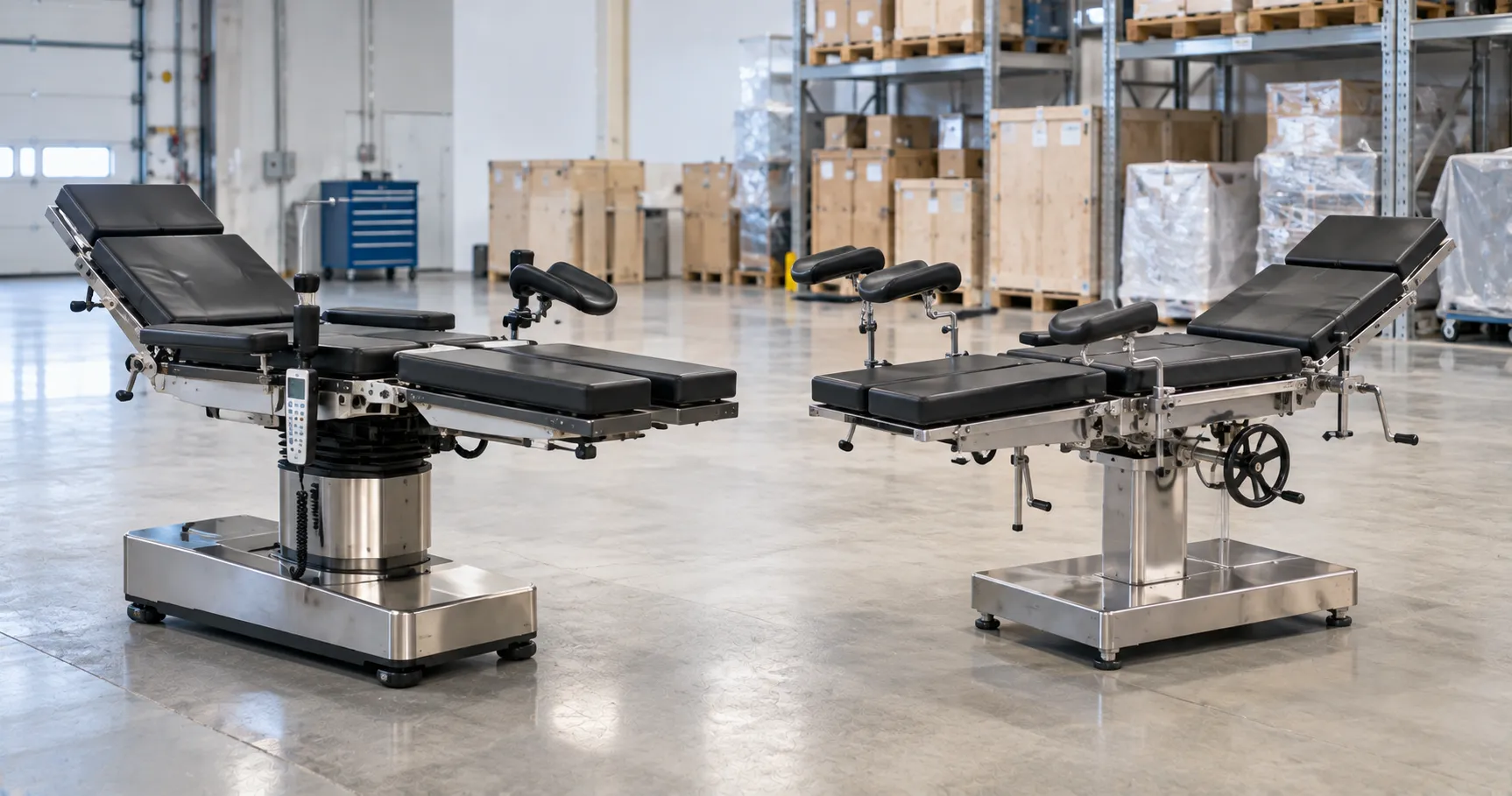
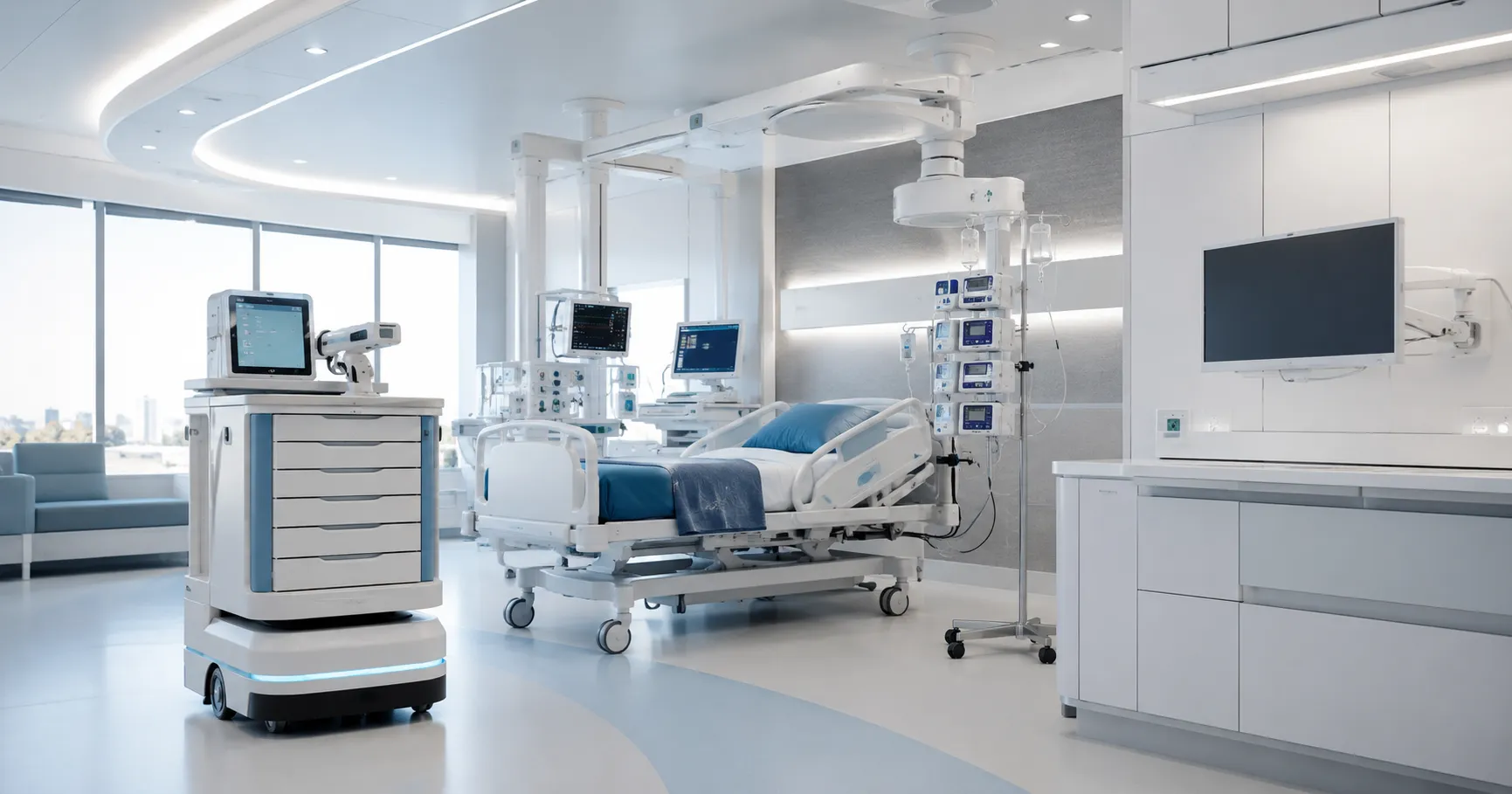
Medical equipment automation helps modern hospitals improve clinical workflows, reduce repetitive manual tasks, enable faster data access, and manage equipment more efficiently. It includes automated laboratory analysers, connected patient monitors, smart infusion systems, robotic rehabilitation tools, automated sterilisation equipment, digital imaging platforms, operating room systems, medication dispensing tools, asset tracking platforms, and maintenance dashboards.
For healthcare buyers, automation should be reviewed as both clinical equipment and digital infrastructure. The FDA describes digital health technologies as systems that use computing platforms, connectivity, software, and sensors for healthcare and related uses. This directly connects with many automated medical devices used in hospitals.
What Medical Equipment Automation Means
Medical equipment automation refers to devices and systems that perform selected tasks with reduced manual input. These tasks may include sample processing, patient data capture, device alerts, medication dispensing, sterilisation cycles, imaging workflow, equipment tracking, maintenance reminders, or clinical documentation support.
Automation does not remove the need for trained healthcare professionals. It supports doctors, nurses, laboratory teams, biomedical engineers, pharmacists, technicians, and procurement teams by making workflows more consistent and easier to monitor.
A strong automation strategy should improve safety support, reduce delays, simplify records, and help staff focus on higher-value clinical work.
Where Automation Is Used in Hospitals
Automation can support many hospital departments.
Laboratories — Automated analysers, sample processors, barcode systems, reagent-tracking tools, and LIS-connected platforms help laboratories manage their testing workload and quality records.
ICUs and Wards — Connected monitors, smart infusion systems, wearable sensors, and central stations support patient observation, alarms, and data visibility.
Operating Rooms — Automated surgical tables, imaging systems, electrosurgical devices, smart lights, endoscopy platforms, and surgical displays support procedure workflow.
CSSD and Sterilisation — Washer-disinfectors, autoclaves, drying cabinets, cycle records, and instrument tracking systems help manage sterilisation processes.
Pharmacy Areas — Medication dispensing cabinets, inventory tools, cold storage monitors, and barcode systems support medicine workflow and stock control.
Biomedical Engineering — Asset management systems and maintenance dashboards support preventive maintenance, service records, fault tracking, and replacement planning.
Facilities sourcing through regulated and certified equipment suppliers worldwide should confirm device purpose, automation features, documentation, warranty, service support, spare parts, and training before procurement.
Benefits of Medical Equipment Automation
Medical equipment automation can help hospitals improve their daily operations when carefully selected.
Faster Workflow — Automated devices can reduce repetitive manual steps and enable faster movement of samples, data, devices, or records.
Better Consistency — Standardised device workflows can reduce variation in selected tasks such as sample handling, sterilisation cycles, monitoring records, and inventory checks.
Improved Equipment Visibility — Automated tracking and dashboards help teams see equipment status, location, usage, service history, and maintenance needs.
Reduced Documentation Burden — Connected systems may automatically record selected data, reducing repeated manual entry when integration is configured correctly.
Better Maintenance Planning — Automated alerts and service records can help biomedical teams plan maintenance before equipment failure affects workflow.
Smarter Procurement Decisions — Usage and downtime data can help buyers understand which devices should be repaired, replaced, standardised, or expanded.
Interoperability and Data Flow
Automation becomes more useful when systems exchange information safely. The FDA defines medical device interoperability as the ability to safely, securely, and effectively exchange and use information among devices, products, technologies, or systems.
Hospitals should check whether automated equipment can connect with electronic records, LIS, PACS, pharmacy systems, central monitoring stations, nurse call systems, asset platforms, or maintenance software.
Buyers should ask:
-
Can the device export useful data?
-
Does it support existing hospital systems?
-
How is patient or sample data matched?
-
What happens during downtime?
-
Can records be reviewed later?
-
Are software updates controlled?
If automation creates disconnected systems, staff may end up with extra work rather than improved workflow.
Cybersecurity for Automated Medical Equipment
Many automated medical devices use software, sensors, networks, dashboards, remote service tools, or cloud platforms. Cybersecurity should be reviewed before installation. FDA cybersecurity guidance provides recommendations on medical device cybersecurity considerations and what information to include in premarket submissions.
Important checks include:
-
Access control
-
User permissions
-
Encryption
-
Remote service rules
-
Software update process
-
Patch support
-
Audit logs
-
Data storage
-
Default password handling
-
End-of-life data removal
Cybersecurity should be part of procurement, maintenance, and lifecycle planning.
Procurement Guidance for Automated Equipment
Procurement should involve clinical teams, biomedical engineers, IT teams, cybersecurity staff, finance teams, compliance staff, and procurement managers.
Define the Workflow Problem — Automation should solve a real issue, such as delayed reporting, manual recording, repeated equipment searches, maintenance delays, stock errors, or slow sample processing.
Review Total Cost of Ownership — Buyers should include equipment price, software licences, consumables, accessories, installation, training, maintenance, spare parts, upgrades, service contracts, and downtime risk.
Check Supplier Transparency — Suppliers and manufacturers advertising to global healthcare buyers should provide specifications, automation details, connectivity information, cybersecurity documents, warranty terms, service support, and training materials.
Pilot Before Scaling — Hospitals should test automated systems in real workflows before wider rollout.
Maintenance and Biomedical Planning
Automation depends on reliable equipment performance. WHO maintenance guidance explains that medical equipment maintenance includes inspection, preventive, and corrective maintenance, with preventive maintenance helping to extend equipment life and reduce failure rates.
Maintenance planning should include:
-
Preventive maintenance schedules
-
Software updates
-
Calibration where required
-
Sensor checks
-
Battery checks
-
Consumable review
-
Cleaning instructions
-
Fault logs
-
Service reports
-
Spare part planning
Biomedical and IT teams should work together because issues with automated equipment may involve hardware, software, network settings, user access, or data flow.
Common Mistakes to Avoid
Hospitals should avoid these automation mistakes.
Buying Automation Without Workflow Review — A system should solve a real operational problem.
Ignoring Staff Training — Automated devices still require trained users.
Skipping Cybersecurity Review — Connected equipment should be reviewed before network use.
Forgetting Consumables — Some automated systems depend on cartridges, reagents, sensors, filters, tubing, or software licences.
No Downtime Plan — Hospitals must know how work continues if automation fails.
Weak Maintenance Planning — Automated equipment may need more structured service and software support.
Not Reviewing Integration — Poor integration can create more manual work.
International Sourcing Considerations
Medical equipment automation can be sourced internationally when buyers clearly define clinical use, workflow needs, device category, software requirements, connectivity, cybersecurity expectations, spare parts, consumables, documentation, warranty, service access, and compliance requirements.
Healthcare groups managing several hospitals may benefit from structured distribution and reseller partnership arrangements. Standardising automated equipment, service contracts, staff training, spare parts, and documentation can reduce variation across facilities.
Buyers should confirm whether they need laboratory automation, connected monitors, automated sterilisation systems, smart infusion tools, medication dispensing systems, OR automation, tracking platforms, or complete hospital automation packages. For project-based sourcing, buyers can contact the Medigear.uk team for supply support to discuss availability, documentation, export needs, and procurement requirements.
Future Role of Medical Equipment Automation
Medical equipment automation will continue to support modern hospitals as healthcare facilities become more connected, data-driven, and workflow-focused. The strongest automation systems will be those that improve real clinical and operational processes without adding unnecessary complexity.
Hospitals should choose automation that improves visibility, reduces repeated tasks, supports maintenance planning, protects data, and helps staff work more efficiently.
Final Thoughts
Medical equipment automation helps modern hospitals improve workflow, data visibility, device readiness, maintenance planning, and procurement decisions. It can support laboratories, ICUs, wards, operating rooms, pharmacies, CSSD areas, imaging departments, and biomedical engineering teams.
The right automation strategy should begin with a clear workflow problem, accurate equipment requirements, cybersecurity review, interoperability checks, maintenance planning, staff training, supplier transparency, and total cost analysis. Automation should make healthcare operations more reliable, not more complicated.
Disclaimer
Medigear.uk is a global medical equipment supplier, exporter, and distributor. The content published on this site is intended for educational and product awareness purposes only. Nothing on this page constitutes medical advice, clinical guidance, automation engineering advice, cybersecurity advice, legal advice, regulatory advice, or treatment recommendations. All healthcare procurement, technology, legal, regulatory, facility, and clinical decisions should be made by qualified professionals and compliant procurement teams operating within the regulatory frameworks of their respective countries.