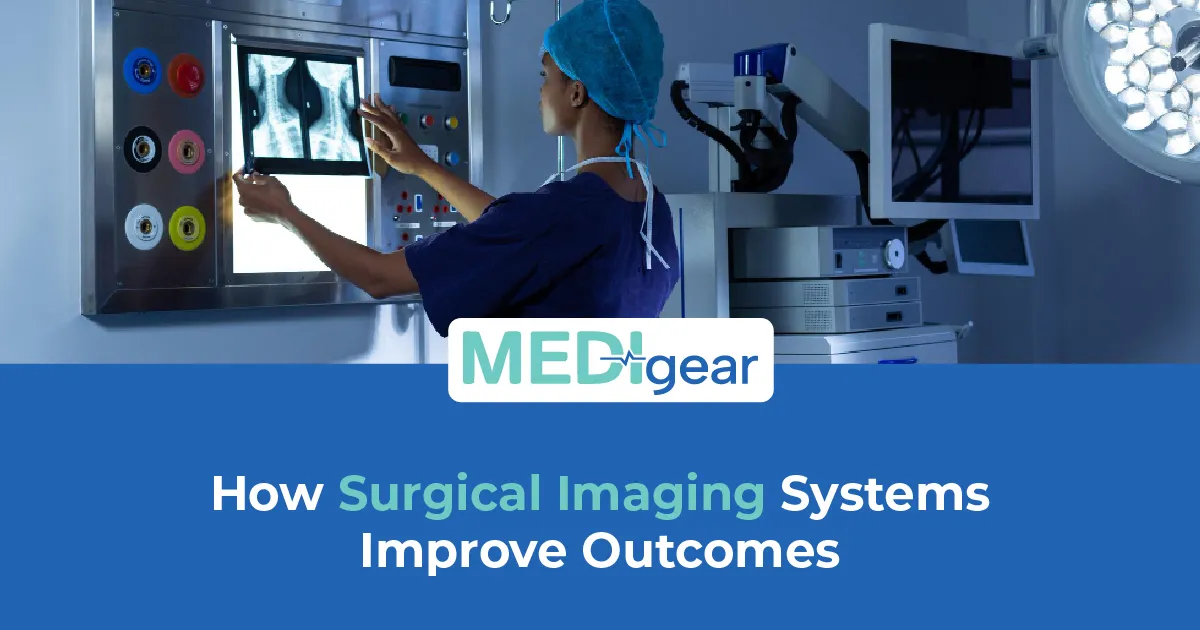
The modern operating room has become increasingly dependent on visualisation technology. Surgical imaging systems provide healthcare professionals with real-time views of anatomical structures, helping them perform procedures with greater precision, confidence, and efficiency. From minimally invasive surgery to complex orthopaedic and cardiovascular interventions, imaging technology has transformed how surgical teams plan, navigate, and execute procedures.
Rather than relying solely on direct visualisation, surgeons can now access detailed internal images during operations, allowing for more informed decision-making and improved procedural accuracy. As hospitals continue to invest in advanced surgical infrastructure, imaging systems remain among the most influential technologies supporting modern surgical care.
Why Visualisation Has Become a Surgical Priority
Many surgical procedures involve delicate anatomical structures where precision is essential. Even small deviations can affect procedural efficiency and workflow outcomes.
Surgical imaging systems provide a clearer understanding of internal anatomy before and during procedures.
Supporting Better Anatomical Awareness – Real-time visualisation helps surgeons identify critical structures with greater confidence.
Improving Procedural Planning – Detailed imaging enables surgical teams to evaluate anatomy and adjust strategies during surgery as needed.
Healthcare facilities assessing advanced operating room technologies often explore procurement resources through Buyer Services.
The Different Types of Surgical Imaging Systems
Modern operating rooms use several imaging technologies depending on procedural requirements.
C-Arm Imaging Systems - C-arms provide real-time fluoroscopic imaging and are commonly used in orthopaedic, trauma, pain management, and vascular procedures.
Providing Dynamic Visualisation – Continuous imaging allows surgeons to monitor instrument placement throughout the procedure.
Endoscopic Imaging Systems - These systems use cameras and specialised scopes to display internal anatomy on monitors.
Supporting Minimally Invasive Surgery – Endoscopic visualisation reduces the need for large surgical openings.
Ultrasound-Guided Imaging - Portable ultrasound systems are increasingly used in operating rooms for procedural guidance.
Delivering Immediate Imaging Access – Ultrasound provides real-time information without ionising radiation.
Advanced Surgical Navigation Platforms - Modern navigation technologies combine imaging with software-based guidance.
Enhancing Precision During Complex Procedures – Navigation systems assist with anatomical orientation and instrument tracking.
Improving Accuracy During Surgical Procedures
One of the greatest benefits of imaging technology is its contribution to procedural accuracy.
Surgeons can make adjustments based on real-time visual information rather than relying entirely on anatomical estimates.
Supporting More Precise Instrument Placement – Imaging helps verify positioning throughout the procedure.
Reducing Uncertainty During Surgery – Enhanced visualisation provides additional confidence during critical surgical steps.
Healthcare facilities upgrading imaging infrastructure often evaluate related technologies discussed in Medigear.uk content covering laparoscopic equipment and operating room equipment planning.
The Impact on Minimally Invasive Surgery
Minimally invasive procedures would not be possible without advanced imaging systems.
Laparoscopic and endoscopic procedures depend entirely on cameras, monitors, and image processing technology.
Allowing Procedures Through Smaller Incisions – Imaging replaces the need for direct visual access in many surgeries.
Expanding Surgical Capabilities – Improved visualisation supports a wider range of minimally invasive techniques.
Helping Surgical Teams Make Faster Decisions
Modern imaging systems provide information instantly.
Instead of waiting for external imaging review, surgical teams can access critical visual data during the procedure itself.
Supporting Real-Time Clinical Decisions – Immediate visualisation improves workflow responsiveness.
Enhancing Team Coordination – Shared monitor displays allow multiple team members to view the same information simultaneously.
Healthcare suppliers involved in advanced surgical technologies may explore industry opportunities through business Suppliers.
Supporting Better Workflow Inside the Operating Room
Surgical efficiency depends on coordination between equipment, personnel, and information.
Imaging systems contribute significantly to this workflow.
Reducing Procedural Interruptions – Immediate access to images minimises delays caused by external imaging requirements.
Improving Communication Among Teams – Shared visualisation facilitates collaboration among surgeons, anaesthetists, and support staff.
Applications Across Multiple Surgical Specialties
Surgical imaging technology supports a wide variety of clinical disciplines.
Common areas include:
-
Orthopedic surgery
-
Neurosurgery
-
Cardiovascular procedures
-
General surgery
-
Urology
-
Gynecology
-
Trauma surgery
-
Minimally invasive surgery
Supporting Speciality-Specific Requirements – Different imaging technologies can be tailored to procedural needs.
Increasing Operating Room Versatility – Multi-functional systems support diverse surgical environments. Organisations interested in collaborative healthcare initiatives can explore opportunities through business Partners.
What Buyers Should Consider Before Investing
Purchasing surgical imaging equipment requires careful planning.
Key Evaluation Areas
-
Image quality
-
Display resolution
-
Workflow compatibility
-
Operating room space
-
Integration capabilities
-
Service support
-
Training requirements
-
Upgrade pathways
Balancing Clinical Needs and Budget Planning – Technology selection should align with actual procedural demand.
Evaluating Long-Term Infrastructure Value – Lifecycle costs often extend beyond the initial purchase price.
Maintenance and Reliability Considerations
Surgical imaging systems are sophisticated platforms that require routine maintenance.
Common Maintenance Activities
-
Calibration verification
-
Display testing
-
Camera inspection
-
Software updates
-
Cable integrity checks
-
Performance validation
Protecting Image Quality Consistency – Preventive servicing helps maintain reliable visualisation.
Reducing Unplanned Downtime – Scheduled maintenance supports continuous readiness in the operating room.
Facilities evaluating maintenance strategies may also benefit from reviewing topics related to surgical tables, electrosurgical units, and operating room infrastructure management.
Emerging Innovations in Surgical Imaging
The next generation of surgical imaging technology is focused on greater precision, connectivity, and workflow intelligence.
Higher-Resolution Visualisation – 4K and enhanced imaging systems continue to improve anatomical detail.
Integrated Operating Room Ecosystems – Imaging systems are increasingly connected to centralised OR platforms.
Advanced Navigation Technologies – Image-guided surgery continues to expand across specialities.
Artificial Intelligence-Assisted Visualisation – Emerging software tools are beginning to support image interpretation and workflow optimisation.
Healthcare organisations interested in increasing industry visibility and engagement can explore opportunities through business Advertise.
Buyer Insights
For healthcare procurement teams, the most successful imaging investments typically prioritise workflow integration over image quality alone. A system that integrates effectively with existing operating room infrastructure, training programs, and maintenance resources often delivers greater long-term value than a standalone high-specification platform.
Hospitals should also consider future expansion plans, interoperability requirements, and vendor support capabilities before finalising purchasing decisions.
For infrastructure planning guidance or equipment sourcing support, healthcare facilities can connect with Contact Team.
Disclaimer
Medigear.uk is a medical equipment supplier and distributor. We do not provide medical advice, diagnosis, or treatment recommendations. All information is for educational and product awareness purposes only. Qualified medical professionals should always make healthcare decisions.