How Multi-Parameter Monitors Improve Patient Care in ICUs
The heart rate climbed first. Then the blood pressure dropped. Then the oxygen fell. Then the respiratory rate spiked. Four numbers shifting at once on one screen — and the nurse saw the pattern before any single number alone would have fired an alarm. Septic shock was building. The patient looked stable from the door. The multi-parameter monitor told a different story. A trend became a pattern. A pattern became a call. The rapid response team reached the bed eight minutes before the crash. The monitor did not diagnose sepsis. It showed the shape of it forming. And gave the team time to stop it.
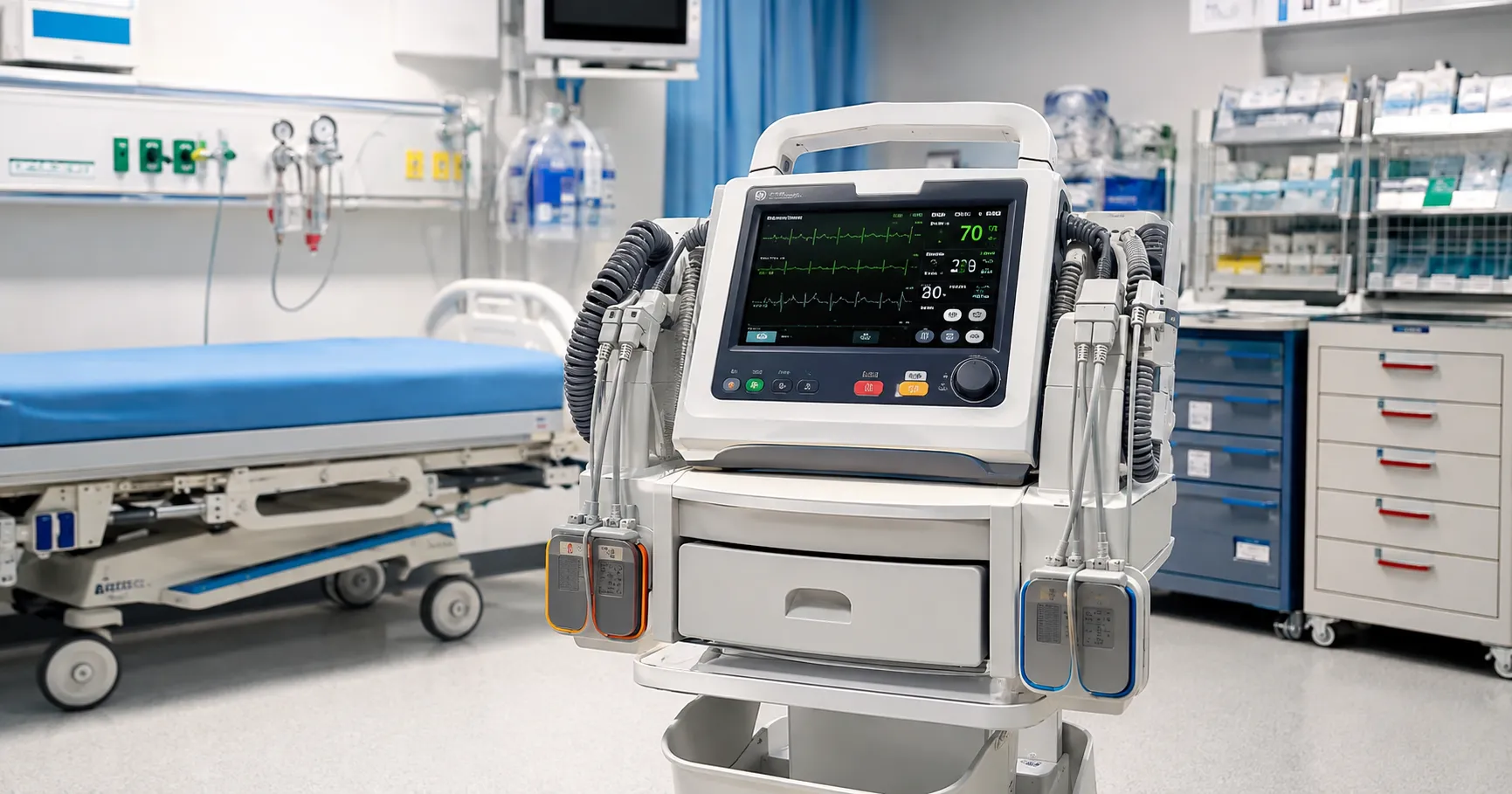
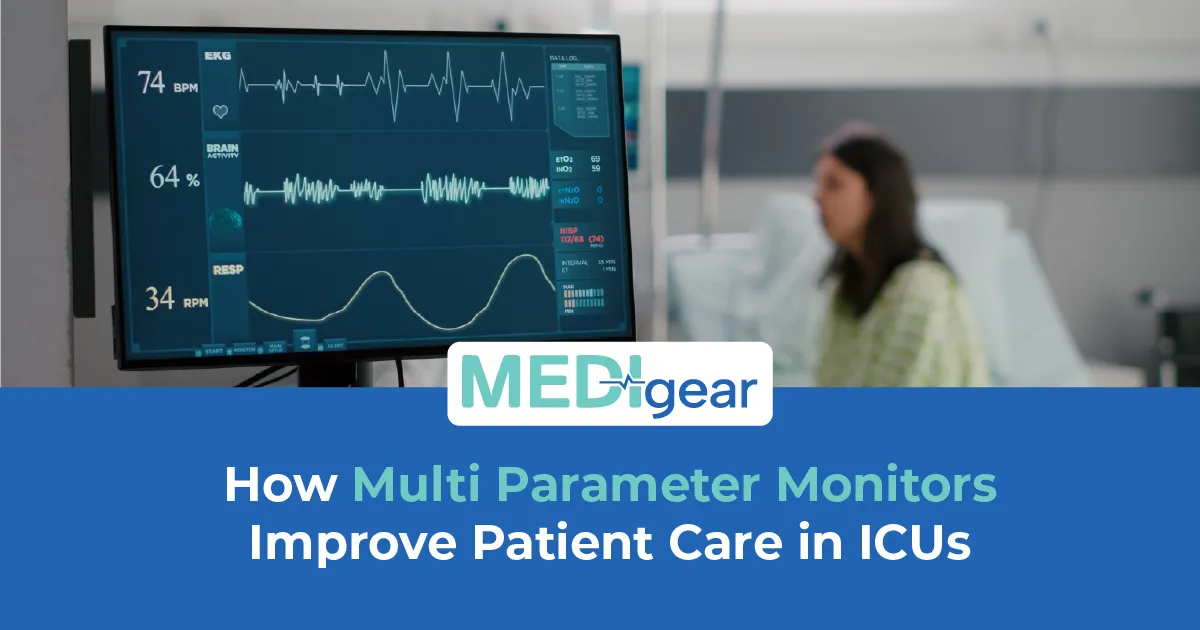
A multi-parameter monitor tracks vital signs on one screen — heart rhythm, oxygen, pressure, breathing, temperature, and more. ICU patients are too sick to talk. Too unstable to wait for rounds. These monitors are why teams spot trouble before it turns to disaster. A round catches problems hourly. A multi-parameter monitor? Every second.
This guide covers how multi-parameter monitors improve patient care in ICUs — with the honest detail that intensivists, ICU leads, and procurement teams need. Medigear supplies certified multi-parameter monitors to hospitals across the UK — and every point here comes from real ICU demand, not showroom demos.
The Power of Combination
The power of a multi-parameter monitor is not in any single reading. It is in the combination. A heart rate of a hundred means little alone. But pair it with falling pressure, rising breathing, and dropping oxygen — that needs action now. Standalone devices give isolated numbers. A multi-parameter monitor gives context. In the ICU, context keeps patients alive.
Continuous ECG
Continuous ECG monitoring is the backbone of any ICU multi-parameter monitor. It catches arrhythmias. Blocks. Ischaemic shifts. Pacing failures. As they happen. Twelve leads add depth. ST tracking flags heart events before symptoms show. For post-op patients, cardiac patients, and anyone on heart-affected drugs, continuous ECG is not a feature. It is a must.
SpO2
SpO2 — pulse oximetry — measures blood oxygen non-stop. In the ICU, oxygen shifts happen fast and mean trouble faster. A drop from ninety-eight to ninety-two looks small on a chart. On the multi-parameter monitor, it triggers a chain — airway, ventilator, chest, act — before eighty-five hits, and the brain starts losing what it cannot get back. Continuous SpO2 is the net under every ventilated, sedated, and post-op patient on the unit.
Invasive Blood Pressure
Invasive blood pressure — measured through an arterial line — gives beat-to-beat pressure readings that non-invasive cuffs cannot match. Shock. Sepsis. Post-op. Pressure swings between beats. A cuff every 5 minutes misses the 30-second dip. The blood flow went with it. Arterial monitoring shows every beat. Every dip. Every trend. Drugs adjust to the second, not the minute.
Capnography
Capnography — exhaled carbon dioxide — is the parameter that too many ICUs still treat as optional. It confirms tube placement. Tracks breathing in sedated patients. Catches apnoea before oxygen drops. All from one reading. It flags metabolic shifts. Rising CO2 in sepsis. Falling CO2 in over-breathing. Nothing else shows this as early. A multi-parameter monitor with capnography opens a window into breathing that SpO2 alone cannot give.
Temperature
Temperature monitoring on a multi-parameter monitor tracks fever, hypothermia, and the trends that signal infection or post-op swelling. Continuous readings catch what four-hourly checks miss. A rising temp at 2 am demands action — not discovery at the next round.
Linked Guides
For ICUs managing cardiac monitoring alongside multi-parameter tracking, our guide to vital signs monitor features covers the bedside specs that overlap with multi-parameter capability — because knowing which features matter in a standalone unit helps procurement compare when upgrading to a full system. Our guide to portable vs stationary X-ray machines covers the imaging that works alongside ICU monitors every day — because a chest film confirms what the multi-parameter monitor suggests when ventilator settings change or lung compliance drops.
Smart Alarms
Alarm integration across parameters is where a multi-parameter monitor saves lives that single devices cannot. Smart alarms fire only when two or more numbers exceed their limits simultaneously. False alerts drop by up to ninety percent. Heart rate up while pressure falls — real. Heart rate up while everything else holds — noise. Multi-parameter logic tells the two apart — and shields staff from the fatigue that kills when every machine bleeps for everything.
Central Monitoring
Central monitoring stations extend the multi-parameter monitor beyond the bedside. Screens at the nursing station show every patient in real time — one nurse watching over 12 beds while others are at the bedside or on break. Central monitoring turns bedside data into a full unit view. Walking between beds cannot match it.
Trend Data
Data trends and graphical displays turn numbers into patterns. A multi-parameter monitor showing six hours of trends lets the team see where the patient is heading — not just where they are now. A slow heart rate climb over four hours — logged as four stable readings on paper — shows up as a clear rising line. Trends turn reactive care into proactive.
Clinical Decision Support
Clinical decision support built into advanced multi parameter monitors provides automated early warning scores, sepsis screening alerts, and protocol prompts based on the combination of parameters being tracked. A monitor that scores NEWS2, flags a rise, and prompts a pathway removes human delay from the ICU's most time-critical calls. Monitor does the maths. Protocol does the thinking. The clinician does the acting.
Drug Titration
Drug titration in the ICU depends on second-by-second data that only a multi parameter monitor can provide. Vasopressors. Sedatives. Painkillers. All need dose shifts based on how the patient responds. That response shows on the monitor first. A nurse on noradrenaline needs the pressure shift in seconds. A doctor administering sedation needs real-time breathing and awareness. Without continuous data, drug dosing becomes guesswork.
Infection Control
Infection control in multi-parameter monitors follows the same rules as any bedside equipment. Screens, cables, and sensors must be wiped daily with strong cleaners. Single-use probes and electrodes cut cross-infection risk. Reusable parts must be cleaned between patients by the book. A multi-parameter monitor carrying germs between patients trades one problem for another.
Interoperability
Interoperability with ventilators, infusion pumps, and electronic health records creates a connected ICU where data flows from device to record without manual entry. A multi-parameter monitor displaying ventilator data alongside vital signs provides a single screen for the full picture. HL7, DICOM, and wireless standards make this work — but only if the monitor and the network speak the same language.
Modularity
Modularity lets a multi-parameter monitor grow with the unit. A base model that tracks five parameters today can add capnography, invasive pressure, or cardiac output tomorrow by plugging in a new module. For ICUs that start small and expand, modular monitors avoid the cost of replacing the whole system when one new capability is needed.
Battery Backup
Battery backup protects against the power failures that hit hardest in the ICU. A multi-parameter monitor that switches to internal battery during a mains cut keeps data flowing and alarms firing while the generator starts. Five minutes without monitoring in a twelve-bed ICU is five minutes of blind flying over the sickest patients in the building.
Training
Staff training on multi parameter monitors in the ICU is not a one-day induction. It is ongoing. New staff must learn every parameter, every alarm, every trend view, and every integration before they are left alone with a screen that holds a patient's life in numbers. A trained nurse reads it the way a pilot reads a cockpit. Fast. Accurate. No thinking about where to look. An untrained one stares until something beeps.
Night Shift
Night shift is where multi parameter monitors prove their worth. Fewer staff. More fatigue. Longer stretches between hands-on checks. The monitor fills the gap — watching every second, the nurse cannot be at every bedside. A multi-parameter monitor is not replacing the ICU nurse. It covers the minutes between each time the nurse can be in two places at once. On the shift where most deterioration happens, the monitor is the team member who never blinks.
Procurement
Procurement teams comparing multi parameter monitors should ask for a clinical trial — not a demo. A demo shows the screen in perfect conditions. A trial shows the monitor under real ICU load — alarms firing, nurses running, patients crashing. How it handles the chaos tells you more than any brochure. Test the monitor where it will live. Not where it looks best.
Standardisation
Standardising on one multi-parameter monitor brand across the ICU cuts training time, simplifies maintenance, and ensures every bedside screen works the same way. Three brands, three alarms, three layouts — confusion that slows response and raises errors. One ecosystem. One layout. One alarm sound the whole team knows by ear.
Why Choose Medigear
Medigear supplies certified multi parameter monitors, accessories, and clinical tools to ICUs, high-dependency units, and hospitals across the UK — with clear pricing, honest guidance, and after-sales support built for the demands of critical care. Whether you are equipping a new ICU, upgrading bedside monitoring, or adding central station capability, our team matches the right system to your patients. Reach out to our team directly for guidance built around the beds where every number matters — and the monitors that make sure nobody misses one.
Conclusion
A multi parameter monitor does not diagnose. It does something harder — it shows the shape of trouble forming before any single number would have raised an alarm on its own. Four numbers shifting at once. A trend becoming a pattern. A pattern becoming a call. Eight minutes before a crash that nobody at the door could see coming. That is what a multi parameter monitor gives an ICU — time. The time between seeing and acting. The time between a stable-looking patient and a crashing one. The time that treatment needs to work. Medigear stands alongside ICU teams with certified monitoring equipment and the honest support that critical care demands. Speak to our team today — because the beds where every number matters deserve monitors that never miss one.
⚠️ This post is for general information only. We do not sell medications or provide prescriptions — Medigear.uk is a medical equipment supplier only.