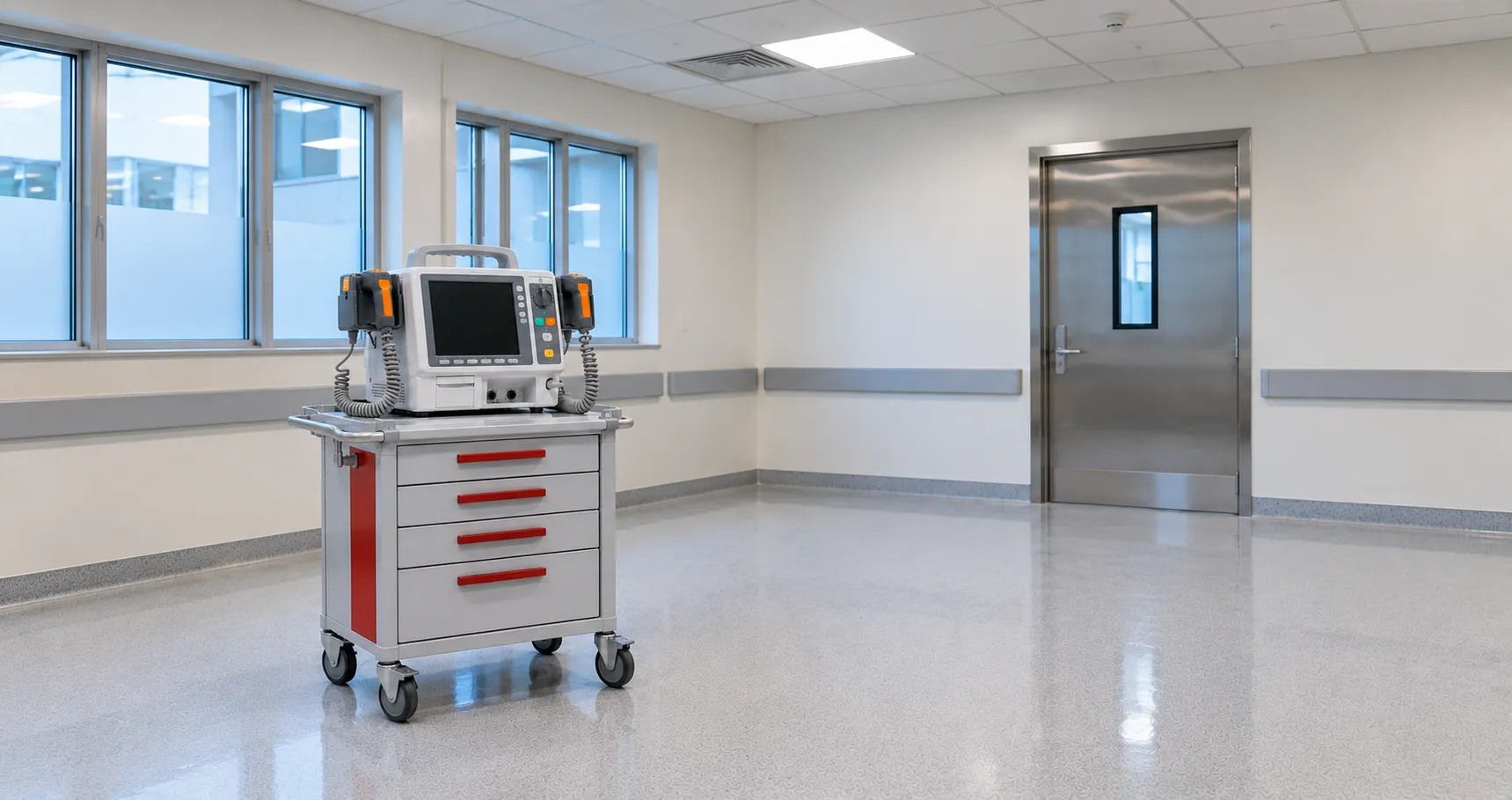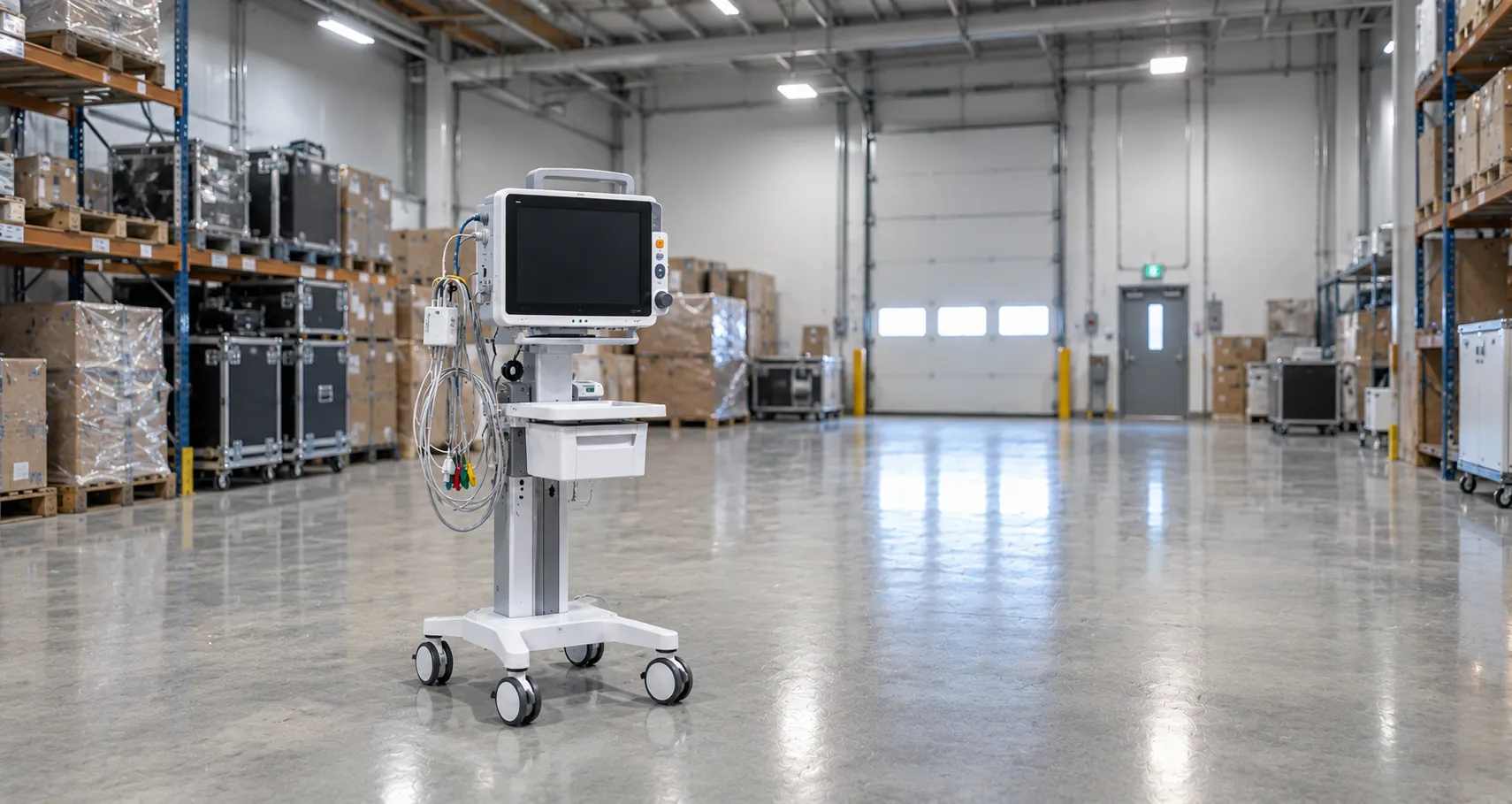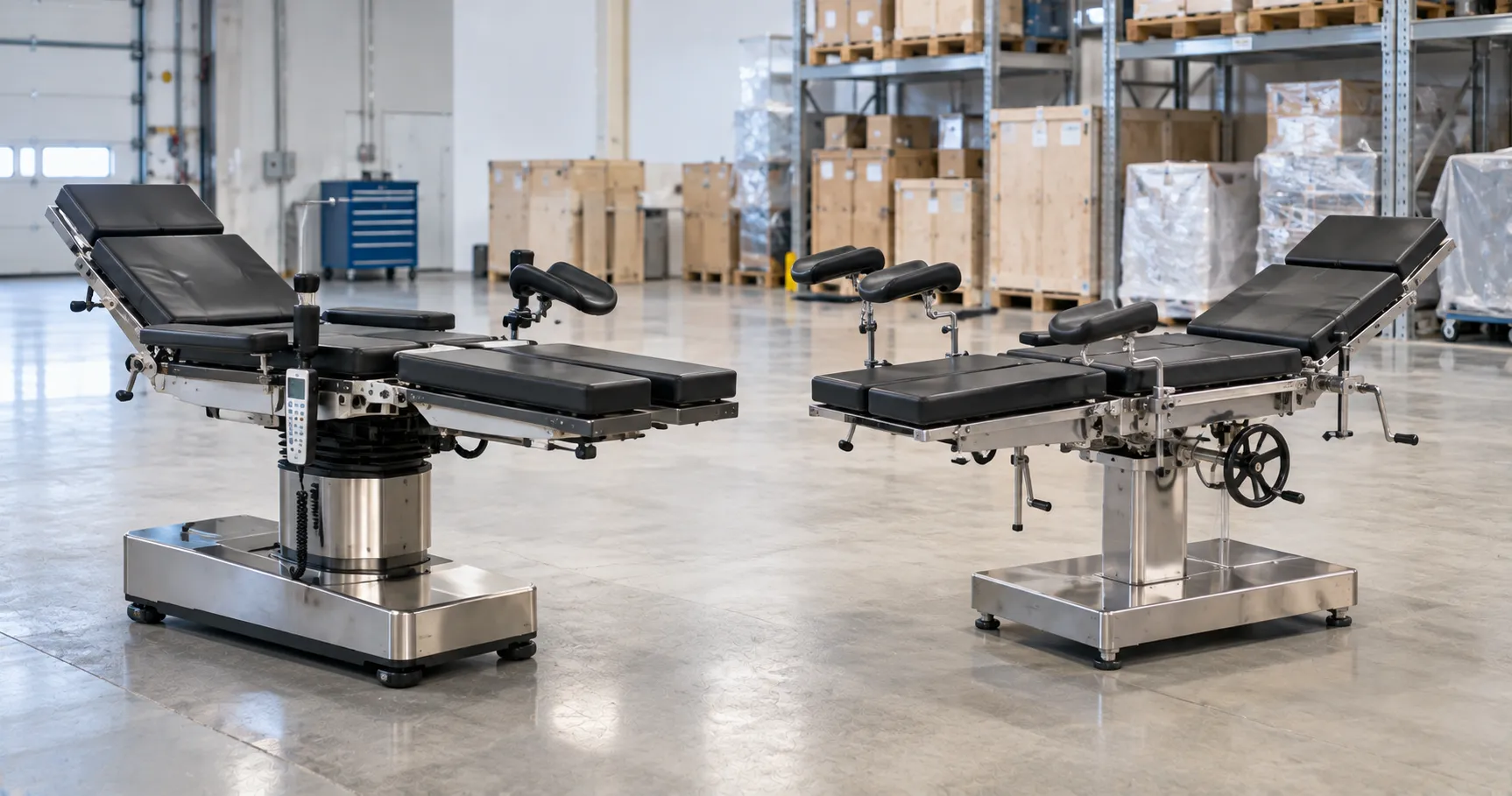
The availability of medical equipment is essential for delivering safe, efficient, and uninterrupted patient care. Whether supporting emergency treatment, diagnostic imaging, surgical procedures, or intensive care, healthcare facilities depend on reliable equipment to maintain clinical operations. When critical devices become unavailable due to unexpected failures or prolonged repairs, patient services may be delayed, operational costs can increase, and healthcare professionals may need to rely on alternative resources that reduce workflow efficiency.
For buyers' services responsible for managing medical equipment across healthcare facilities worldwide, reducing equipment downtime requires more than responding to breakdowns. It involves proactive maintenance planning, effective asset management, strategic procurement, timely calibration, and collaboration with qualified service providers. Healthcare organisations that adopt structured equipment management programmes are better positioned to improve equipment availability, reduce lifecycle costs, and support high standards of patient care. This article explores the most effective strategies hospitals use to minimise medical equipment downtime while strengthening long-term operational performance.
Understanding the Causes of Medical Equipment Downtime
Reducing equipment downtime begins with identifying the causes of failures. Medical equipment operates in demanding healthcare environments where continuous use, environmental conditions, ageing components, and maintenance practices all influence reliability. Understanding these factors enables healthcare organisations to implement targeted strategies that prevent unnecessary interruptions.
Inadequate Preventive Maintenance — One of the most common causes of equipment downtime is inconsistent preventive maintenance. Routine inspections, servicing, lubrication, calibration, and replacement of worn components help identify developing problems before they lead to equipment failures. Experienced biomedical engineers often detect early signs of deterioration during scheduled maintenance, allowing repairs to be completed before clinical services are affected.
Delayed Repairs and Technical Support — Equipment downtime frequently increases when healthcare facilities experience delays in obtaining qualified technical support or replacement components. Waiting for specialist engineers or essential spare parts can significantly extend equipment outages. Establishing reliable service agreements and maintaining access to authorised technical support reduces repair times and improves equipment availability.
Operator Errors and Improper Equipment Handling — Medical equipment can experience unnecessary wear when users are not fully trained in correct operating procedures. Incorrect handling, poor cleaning practices, or failure to perform basic daily inspections may contribute to avoidable equipment failures. Ongoing staff education helps protect equipment while supporting safer and more efficient healthcare operations.
Ageing Equipment and Component Wear — As medical devices age, critical components naturally wear, which may affect reliability and performance. Healthcare organisations should monitor equipment condition throughout its lifecycle to determine when repairs remain cost-effective and when replacement becomes the more practical option. Lifecycle planning allows hospitals to minimise unexpected failures while maintaining continuous clinical capability.
Healthcare Strategies That Keep Equipment Available
Hospitals reduce equipment downtime by implementing structured maintenance programmes, investing in skilled technical teams, and selecting suppliers capable of providing long-term service support. These strategies improve equipment reliability while supporting efficient clinical operations across different healthcare environments.
Preventive Maintenance Programmes — Scheduled preventive maintenance remains one of the most effective methods for reducing downtime. Routine servicing helps identify potential faults before they become major failures, extending equipment lifespan while improving operational reliability. Facilities sourcing equipment through business suppliers often receive recommended maintenance schedules, service documentation, and technical guidance that simplify long-term equipment management.
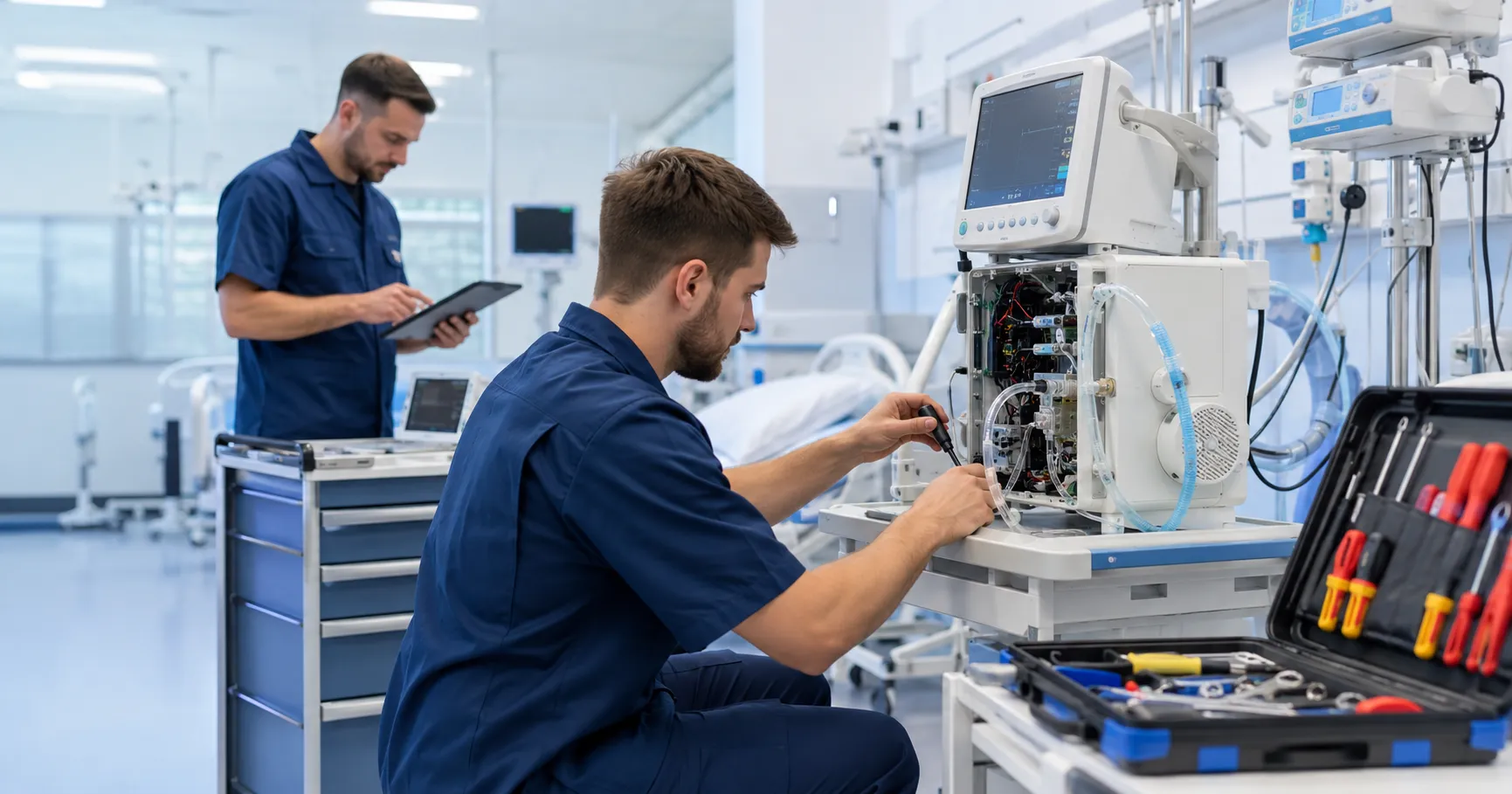
Biomedical Engineering Support — Skilled biomedical engineering teams play a critical role in maintaining medical equipment. Their responsibilities include inspections, calibration, troubleshooting, repairs, performance verification, and preventive maintenance planning. Experienced clinical engineering departments frequently monitor equipment performance trends to identify recurring issues and implement corrective actions before failures occur.
Digital Asset Management Systems — Many hospitals use Computerised Maintenance Management Systems (CMMS) or healthcare asset management platforms to monitor equipment status, schedule maintenance, track service history, and manage repair activities. These digital tools improve maintenance planning, reduce missed service intervals, and provide valuable data for lifecycle management and capital planning.
Strategic Spare Parts Management — Equipment downtime can increase significantly when replacement components are unavailable. Hospitals minimise this risk by maintaining inventories of commonly required spare parts and establishing strong relationships with suppliers capable of delivering components quickly. Effective inventory management shortens repair times while ensuring critical equipment remains operational during periods of increased clinical demand.
Technical Strategies That Improve Medical Equipment Reliability
Reducing equipment downtime requires more than routine servicing. Hospitals that consistently achieve high equipment availability adopt technical strategies that focus on equipment reliability, predictive maintenance, performance monitoring, and lifecycle planning. Procurement teams that evaluate these factors before purchasing medical equipment often reduce long-term maintenance costs while improving operational efficiency.
Predictive Maintenance Technologies — Modern medical equipment increasingly incorporates built-in diagnostic tools, remote monitoring, and predictive maintenance capabilities. These technologies continuously monitor equipment performance, identify abnormal operating conditions, and alert technical teams before failures occur. Experienced biomedical engineers use this data to proactively schedule maintenance, reducing unexpected breakdowns and improving equipment reliability.
Routine Calibration and Performance Verification — Regular calibration ensures that medical devices continue operating within manufacturer specifications. Equipment such as patient monitors, infusion pumps, ventilators, laboratory analysers, and imaging systems relies on accurate measurements to support clinical decision-making. Performance verification during scheduled maintenance confirms that equipment remains safe, reliable, and clinically effective throughout its operational life.
Equipment Standardisation Across Facilities — Healthcare organisations managing multiple hospitals often standardise equipment models across departments or sites. Standardisation simplifies staff training, reduces spare parts inventory, streamlines maintenance procedures, and enables biomedical engineering teams to develop greater technical expertise. One aspect that surprises first-time buyers is that equipment standardisation often reduces long-term operating costs and improves maintenance efficiency.
Data-Driven Asset Lifecycle Planning — Hospitals increasingly use maintenance records, repair history, utilisation rates, and performance indicators to guide equipment replacement decisions. Rather than replacing equipment solely because of age, organisations evaluate operational reliability, repair frequency, and total cost of ownership. This evidence-based approach helps optimise capital investment while reducing the risk of unexpected equipment failures.
Procurement Practices That Help Minimise Equipment Downtime
Hospitals can significantly reduce future downtime by considering maintenance and service support during the procurement process. Selecting reliable suppliers, evaluating lifecycle costs, and ensuring access to qualified technical support all contribute to long-term equipment availability.
Evaluating Total Cost of Ownership — Procurement teams should assess maintenance requirements, service contracts, calibration schedules, software updates, spare parts availability, training needs, and expected equipment lifespan alongside the initial purchase price. Organisations that evaluate total ownership costs often make procurement decisions that deliver greater long-term value while reducing operational disruptions.
Assessing Supplier Service Capabilities — Healthcare providers should evaluate whether suppliers offer preventive maintenance programmes, qualified service engineers, rapid-response support, technical documentation, software upgrades, and reliable spare parts supply. Increasingly, business advertise recognise that hospitals expect comprehensive lifecycle support rather than equipment supply alone. Strong after-sales service helps minimise repair delays and improves equipment reliability.
Considering Regulatory Compliance and Documentation — Medical equipment maintenance should comply with applicable local regulatory standards and manufacturer recommendations. Procurement professionals should verify that suppliers can provide maintenance manuals, calibration guidance, conformity documentation, and service records required for the destination market. Comprehensive documentation simplifies inspections, accreditation, and quality management activities.
Developing Long-Term Service Partnerships — Reliable equipment performance depends on ongoing collaboration between hospitals and trusted technical service providers. Healthcare organisations managing multiple facilities often establish business partners that include preventive maintenance, calibration, technical training, emergency support, and lifecycle planning. These partnerships improve service continuity while helping organisations maintain consistent maintenance standards across their healthcare networks.
Maintenance Best Practices That Extend Equipment Service Life
Reducing downtime requires a proactive maintenance culture supported by skilled personnel, structured procedures, and continuous equipment monitoring. Hospitals that integrate maintenance into broader asset management programmes improve operational efficiency while protecting long-term investments in healthcare technology.
Maintaining Detailed Service Records — Comprehensive maintenance documentation should include preventive maintenance schedules, calibration certificates, repair histories, inspection reports, software updates, and equipment performance data. Accurate records support regulatory compliance, warranty management, lifecycle planning, and informed capital replacement decisions. Historical service information also enables biomedical engineers to identify recurring faults and improve maintenance planning.
Providing Ongoing Staff Training — Clinical staff play an important role in equipment reliability by following proper operating procedures and promptly reporting abnormalities. Training programmes should cover daily operational checks, cleaning procedures, storage requirements, and basic troubleshooting where appropriate. Proper equipment handling reduces avoidable wear and enables technical teams to respond quickly to emerging issues.
Monitoring Equipment Performance Continuously — Hospitals should regularly analyse equipment utilisation, maintenance frequency, downtime trends, and repair costs to identify opportunities for improvement. In healthcare environments where local technical resources may be limited, proactive monitoring enables maintenance to be scheduled before failures disrupt clinical services. Continuous performance evaluation extends equipment lifespan, improves equipment availability, and maximises return on investment.
Final Thoughts
Reducing medical equipment downtime is essential for maintaining efficient healthcare operations, protecting patient safety, and maximising the value of medical technology investments. Every hour that critical equipment is unavailable can disrupt clinical workflows, delay treatments, increase operational costs, and place additional pressure on healthcare professionals. By shifting from reactive repairs to proactive maintenance strategies, hospitals can significantly improve equipment reliability while supporting uninterrupted patient care.
Successful downtime reduction depends on a combination of preventive maintenance, routine calibration, skilled biomedical engineering support, digital asset management, and informed procurement decisions. Healthcare organisations that evaluate maintenance requirements during equipment selection, maintain accurate service records, and establish reliable technical partnerships are better positioned to minimise unexpected equipment failures. Continuous monitoring of equipment performance also enables hospitals to identify potential issues before they affect clinical operations, reducing both repair costs and service interruptions.
As healthcare technology becomes increasingly sophisticated, equipment availability will remain a critical indicator of operational performance. Investing in structured maintenance programmes, staff training, lifecycle planning, and trusted service providers enables healthcare facilities to improve resilience, extend equipment lifespan, and deliver consistently high standards of patient care. A proactive approach to equipment management ensures that medical devices remain reliable, compliant, and ready to support healthcare professionals whenever they are needed.
Disclaimer
Medigear.uk is a global medical equipment supplier, exporter, and distributor. The content published on this site is intended for educational and product awareness purposes only. Nothing on this page constitutes medical advice, clinical guidance, or treatment recommendations. All healthcare procurement and clinical decisions should be made by qualified medical professionals and compliant procurement teams operating within the regulatory frameworks of their respective countries.