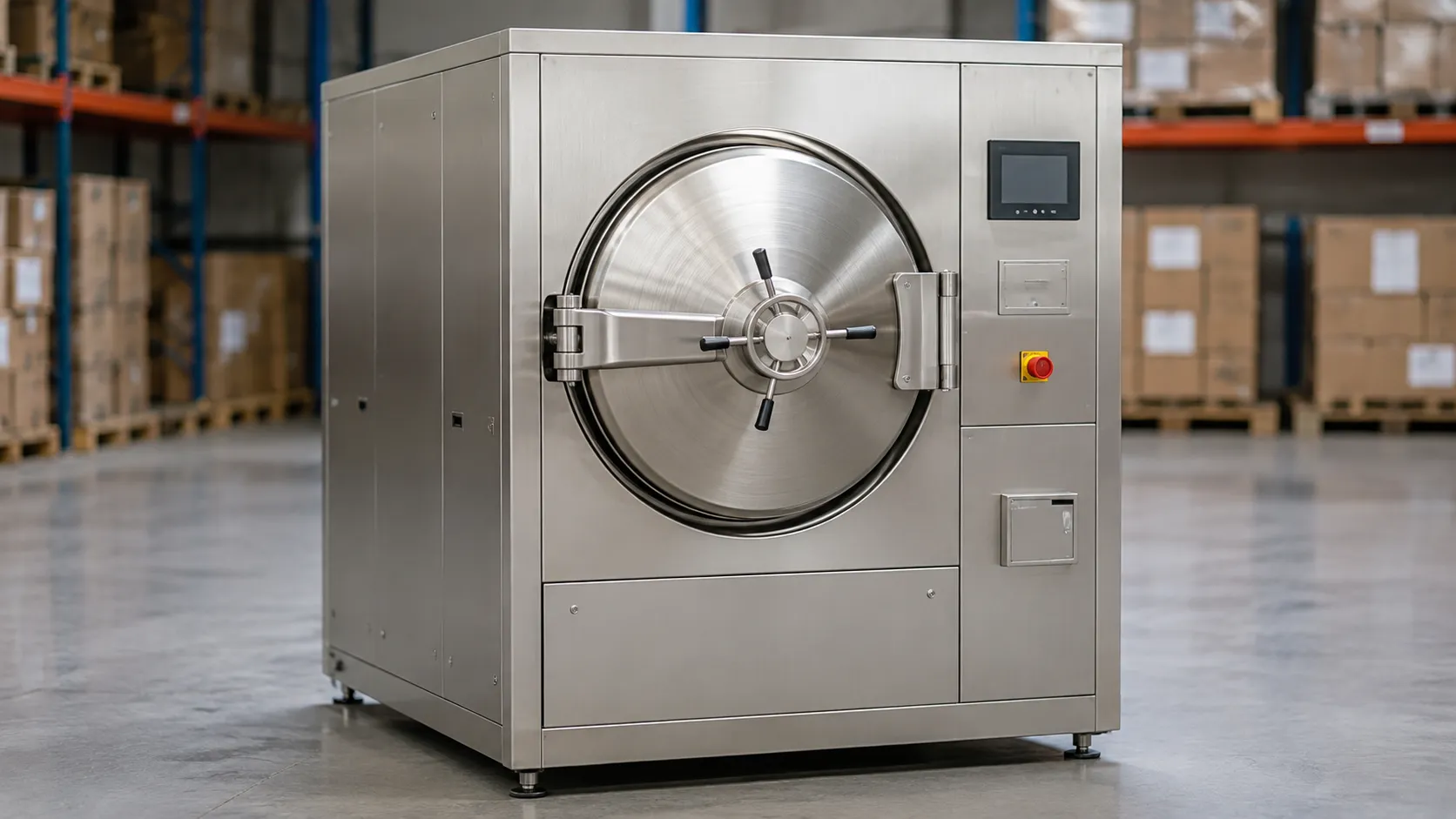

Artificial intelligence is reshaping the healthcare technology landscape by enhancing the capabilities of modern medical equipment. Rather than replacing healthcare professionals, AI supports clinical decision-making, automates repetitive processes, improves equipment performance, and helps healthcare facilities deliver efficient patient care.
For buyers services investing in AI-enabled medical equipment requires careful evaluation of clinical value, data management capabilities, cybersecurity, interoperability, maintenance requirements, and long-term operational benefits. Large teaching hospitals, diagnostic centres, specialist clinics, and community healthcare providers increasingly incorporate AI technologies into their equipment strategies.
Why Artificial Intelligence Matters in Medical Equipment
Modern healthcare generates significant volumes of clinical and operational data. Artificial intelligence helps process this information efficiently while supporting healthcare professionals.
Improved clinical workflows — AI systems can assist with image analysis, patient monitoring, and equipment management. In practice, procurement teams often evaluate how AI capabilities integrate with existing infrastructure.
Operational efficiency — Smart technologies may automate repetitive tasks and support resource allocation across healthcare facilities.
Data-supported decision making — AI tools provide additional information that clinicians and biomedical teams can incorporate into healthcare delivery.
Healthcare organisations sourcing equipment from business suppliers often prioritise AI systems that comply with applicable local regulatory standards and cybersecurity requirements.
AI in Medical Imaging Equipment
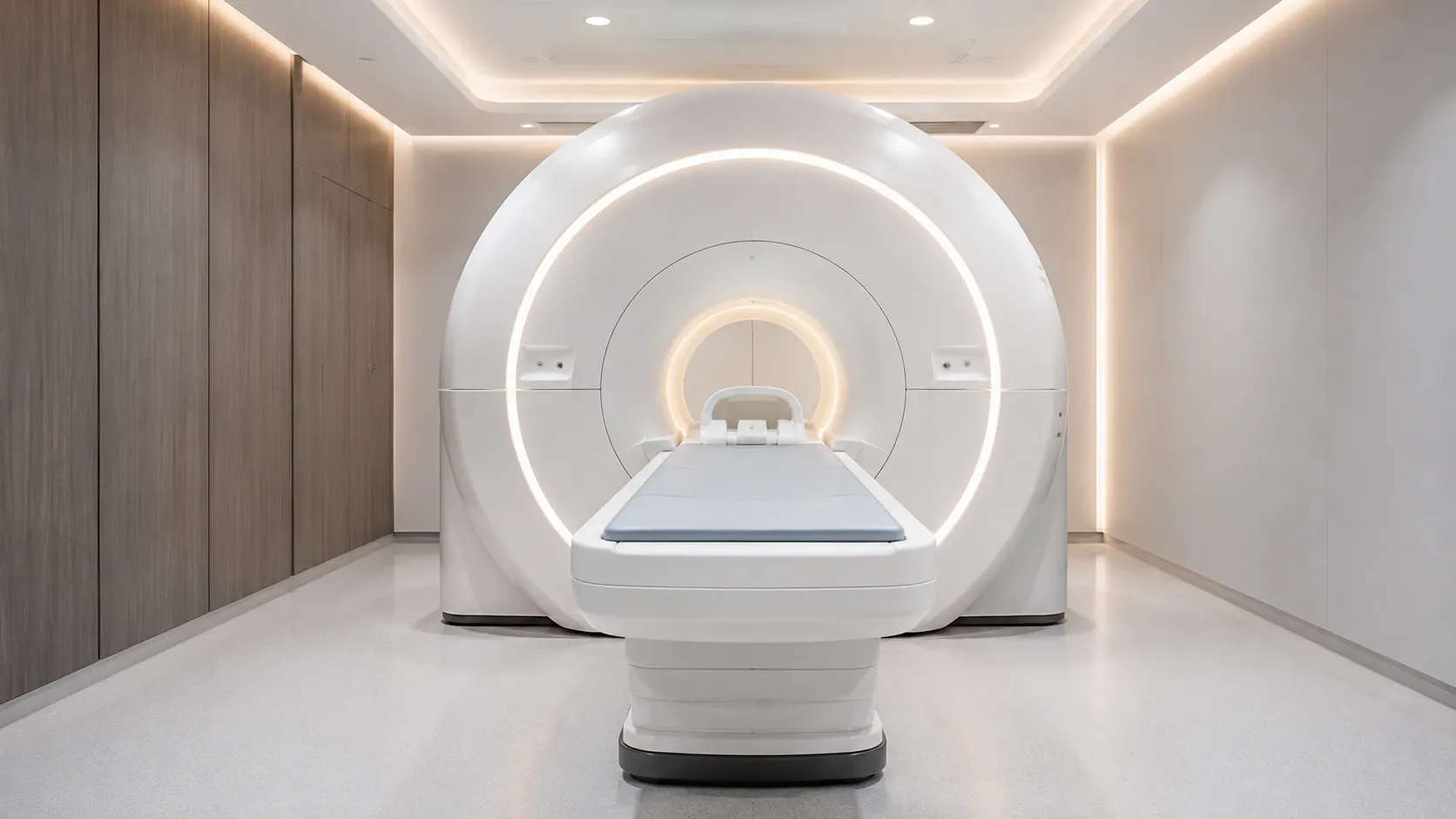
Medical imaging represents one of the most widely adopted applications of artificial intelligence.
Enhanced image interpretation — AI software assists clinicians by identifying patterns and highlighting areas that may require further review.
Workflow prioritisation — Digital systems can help organise imaging studies according to predefined criteria.
Operational efficiency — Experienced procurement managers evaluate software compatibility, update pathways, and integration with imaging infrastructure.
AI applications commonly support:
-
X-ray imaging
-
Computed tomography
-
Magnetic resonance imaging
-
Ultrasound
-
Mammography
AI-Enabled Patient Monitoring Systems
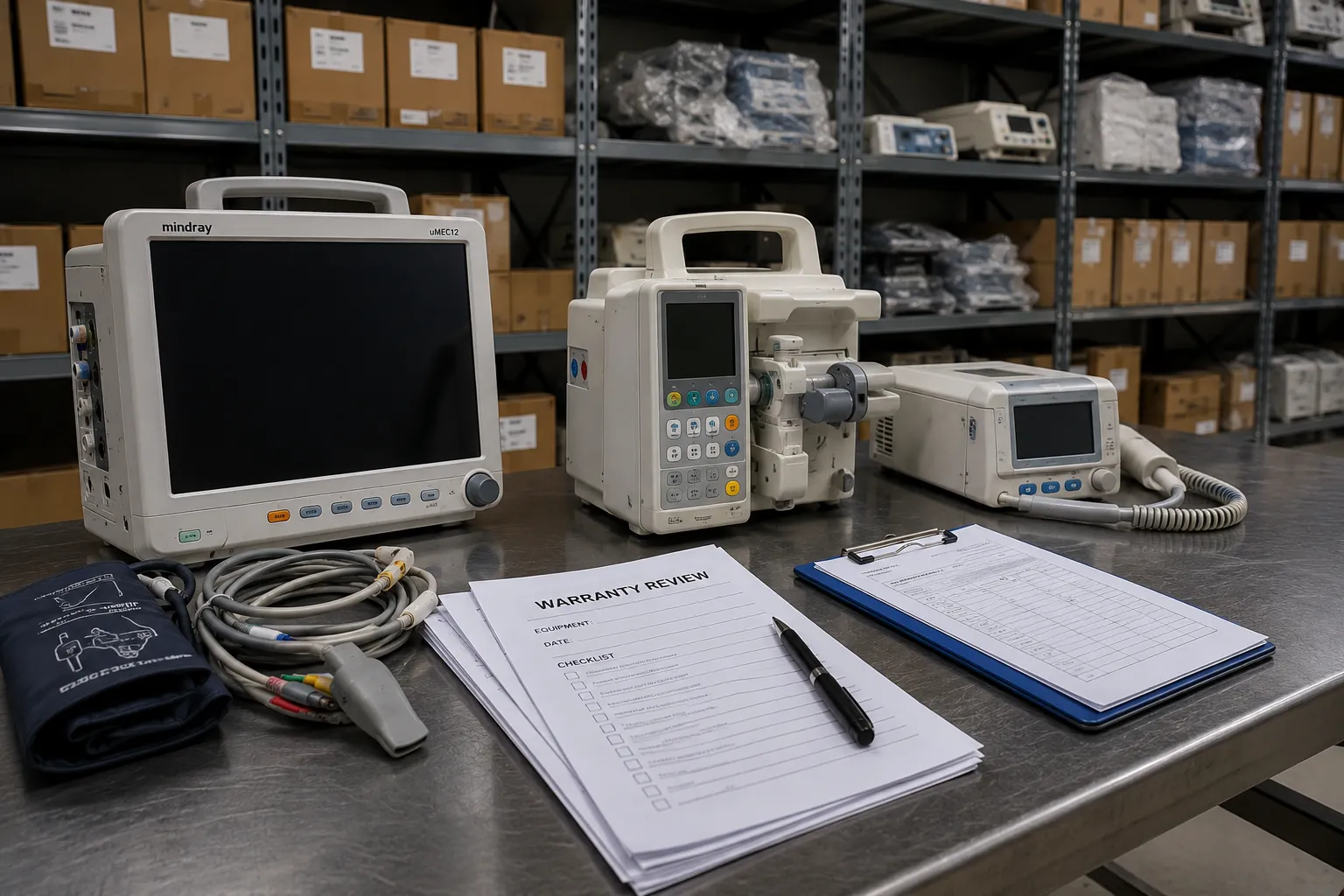
Patient monitoring equipment increasingly incorporates intelligent software.
Continuous data analysis — AI algorithms review physiological information collected from monitoring devices.
Trend identification — Smart systems may identify changes in patient parameters that require clinical attention.
Healthcare workflow support — Facilities often compare interoperability, alarm management, and reporting capabilities.
Smart Infusion Pump Technology
Artificial intelligence supports the evolution of medication delivery equipment.
Advanced medication management — Smart pumps incorporate digital drug libraries and safety functions.
Clinical workflow integration — Modern systems communicate with healthcare information platforms.
Risk reduction strategies — Experienced clinical supply managers carefully assess cybersecurity, software validation, and update procedures.
Healthcare organisations commonly evaluate:
-
Drug library management
-
Connectivity
-
User interface
-
Alarm systems
-
Technical support
Artificial Intelligence in Robotic Surgery
Robotic surgical systems increasingly incorporate AI-supported technologies.
Enhanced procedural planning — AI assists with image processing and workflow management.
Improved visualisation — Digital platforms provide enhanced procedural information.
Technology integration — One aspect that surprises first-time buyers is the extensive infrastructure planning required for robotic systems.
Common healthcare applications include:
-
General surgery
-
Orthopaedics
-
Urology
-
Gynaecology
-
Cardiothoracic procedures
Predictive Maintenance for Medical Equipment
Artificial intelligence supports equipment lifecycle management.
Performance monitoring — AI systems analyse operational data to identify maintenance needs.
Reduced unexpected downtime — Predictive servicing may improve equipment availability.
Asset management support — Healthcare organisations often integrate maintenance analytics with biomedical engineering workflows.
Facilities typically evaluate:
-
Data collection capability
-
Remote monitoring
-
Service integration
-
Reporting functions
-
Cybersecurity measures
Artificial Intelligence in Laboratory Equipment
AI technology is increasingly integrated into clinical laboratory systems to improve workflow management and analytical efficiency.
Automated sample analysis — Intelligent software supports laboratory instruments by processing large volumes of data and assisting with result verification. Experienced laboratory managers often evaluate automation capabilities alongside traditional performance specifications.
Workflow optimisation — AI-enabled systems can prioritise tasks and reduce manual administrative processes.
Quality management support — Modern laboratory platforms incorporate digital monitoring and reporting features that assist quality assurance programmes.
Healthcare facilities commonly evaluate:
-
Software integration
-
Data management
-
Instrument compatibility
-
Cybersecurity features
-
Technical support
-
AI-Assisted Pathology Systems
Digital pathology continues to expand through artificial intelligence applications.
Enhanced image analysis — AI algorithms assist pathologists by identifying patterns within digital slide images.
Workflow efficiency — Digital platforms support image storage, retrieval, and case management.
Clinical collaboration — Connected pathology systems facilitate multidisciplinary communication across healthcare networks.
Healthcare organisations often compare:
-
Image quality
-
Processing speed
-
Software functionality
-
Integration capability
-
Data security
-
AI Pharmacy Automation Systems
Artificial intelligence contributes to medication management and pharmacy operations.
Inventory optimisation — Smart systems monitor stock levels and support supply chain management.
Medication workflow support — Automated dispensing technologies assist healthcare teams with routine processes.
Operational planning — Procurement managers frequently assess compatibility with pharmacy information systems and maintenance requirements.
Common evaluation factors include:
-
Automation capability
-
Inventory tracking
-
Reporting software
-
Connectivity
-
Service agreements
-
AI Remote Patient Monitoring Systems
Remote patient monitoring increasingly incorporates artificial intelligence to analyse healthcare data collected outside traditional clinical environments.
Continuous health monitoring — Wearable and connected devices collect physiological information for ongoing assessment.
Trend recognition — AI systems help identify changes that may require clinical review.
Extended healthcare access — Remote technologies support community healthcare, chronic disease management, and post-discharge follow-up programmes.
Healthcare facilities often evaluate:
-
Device compatibility
-
Connectivity
-
Data security
-
Battery performance
-
Platform integration
-
AI Hospital Asset Management Systems
Artificial intelligence supports the management of healthcare equipment throughout its operational lifecycle.
Equipment tracking — Smart systems monitor the location and utilisation of medical assets.
Predictive maintenance planning — AI analyses equipment performance data to identify service requirements.
Operational efficiency — Healthcare organisations use asset management systems to improve equipment availability and resource planning.
Procurement considerations include:
-
Tracking technology
-
Analytics capability
-
Maintenance integration
-
Reporting functions
-
Cybersecurity controls
-
Choosing AI-Enabled Medical Equipment
Healthcare organisations considering artificial intelligence technologies should balance innovation with practical operational requirements.
Clinical relevance — Large hospitals may require advanced AI imaging platforms, while community healthcare providers often prioritise intelligent patient monitoring systems.
During procurement evaluations, many business Advertise recognise that healthcare organisations increasingly request evidence regarding software validation, cybersecurity protection, update policies, and long-term technical support.
Interoperability requirements — Procurement teams carefully assess compatibility with existing hospital information systems and digital healthcare infrastructure.
Lifecycle planning — Experienced clinical supply managers evaluate software updates, licensing models, maintenance contracts, staff training requirements, and future scalability before purchasing decisions.
Healthcare organisations managing multiple facilities frequently find that establishing business partners supports equipment standardisation, technology updates, and coordinated technical support.
Emerging Trends in Artificial Intelligence for Medical Equipment
Generative Artificial Intelligence- Generative AI applications are being explored for healthcare documentation and operational support.
Administrative efficiency — These systems may assist healthcare professionals with routine information management tasks.
Autonomous Medical Devices- Medical equipment continues to evolve towards greater automation.
Workflow assistance — Autonomous technologies support healthcare professionals while maintaining clinical oversight.
Connected Smart Hospitals- Artificial intelligence is increasingly linking medical devices to integrated healthcare ecosystems.
Real-time communication — Connected equipment improves operational visibility across healthcare facilities.
Personalised Healthcare Technology- AI-supported systems help tailor monitoring and treatment pathways according to individual patient needs.
Data-informed care — Healthcare teams combine AI insights with professional expertise to support patient management.
Final Thoughts
Artificial intelligence is changing the way modern medical equipment supports healthcare delivery across hospitals, diagnostic centres, laboratories, and community healthcare settings. From intelligent imaging systems and smart patient monitors to robotic surgery platforms and predictive maintenance solutions, AI enhances operational efficiency while supporting clinical decision-making.
In practice, procurement teams often achieve the greatest long-term value by selecting AI-enabled equipment that balances innovation with interoperability, cybersecurity, maintenance support, staff training, and scalability. Healthcare facilities that align artificial intelligence investments with clinical and operational objectives are generally better positioned to support evolving healthcare needs.
Disclaimer
Medigear.uk is a global medical equipment supplier, exporter, and distributor. The content published on this site is intended for educational and product awareness purposes only. Nothing on this page constitutes medical advice, clinical guidance, or treatment recommendations. All healthcare procurement and clinical decisions should be made by qualified medical professionals and compliant procurement teams operating within the regulatory frameworks of their respective countries.