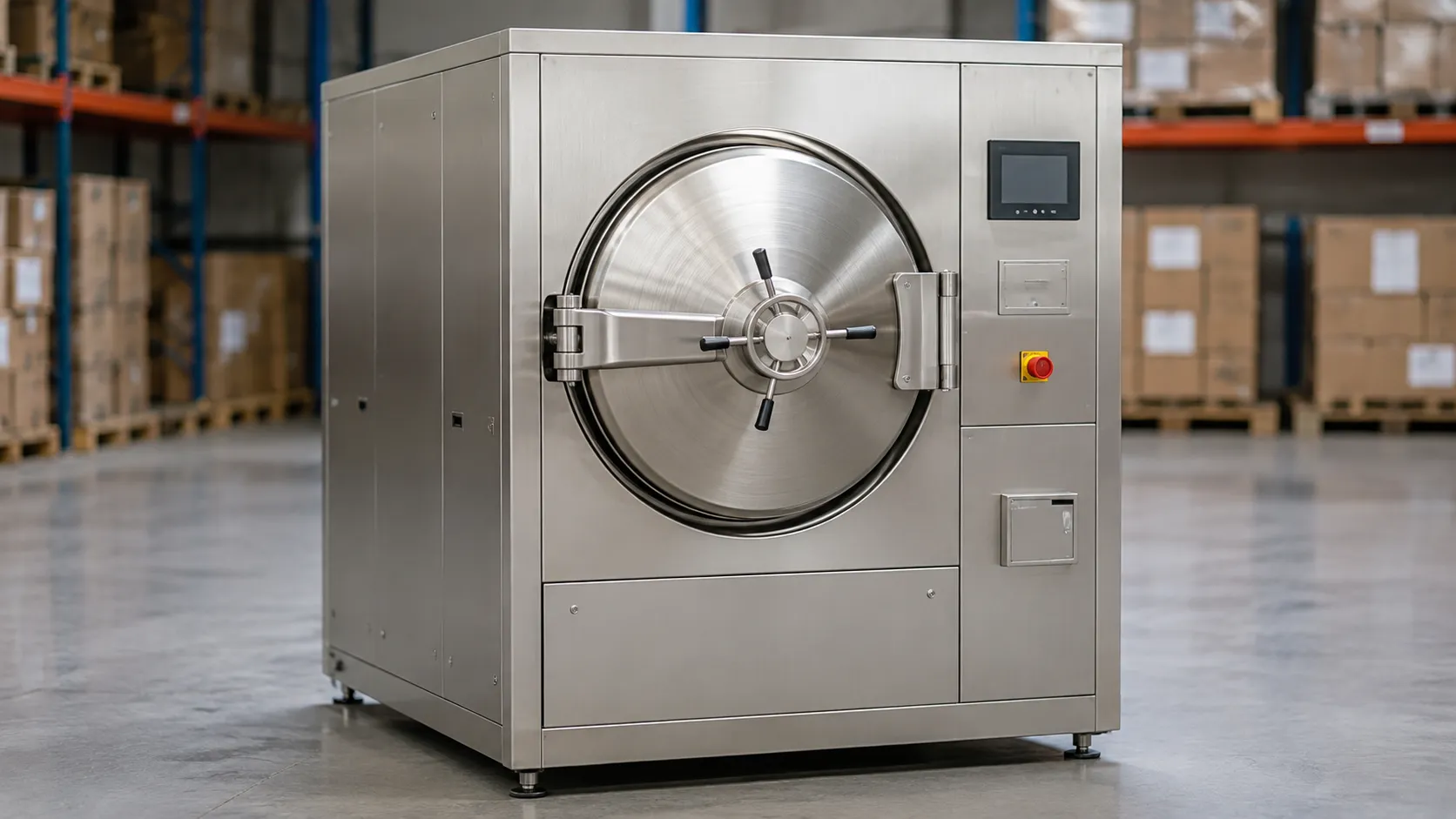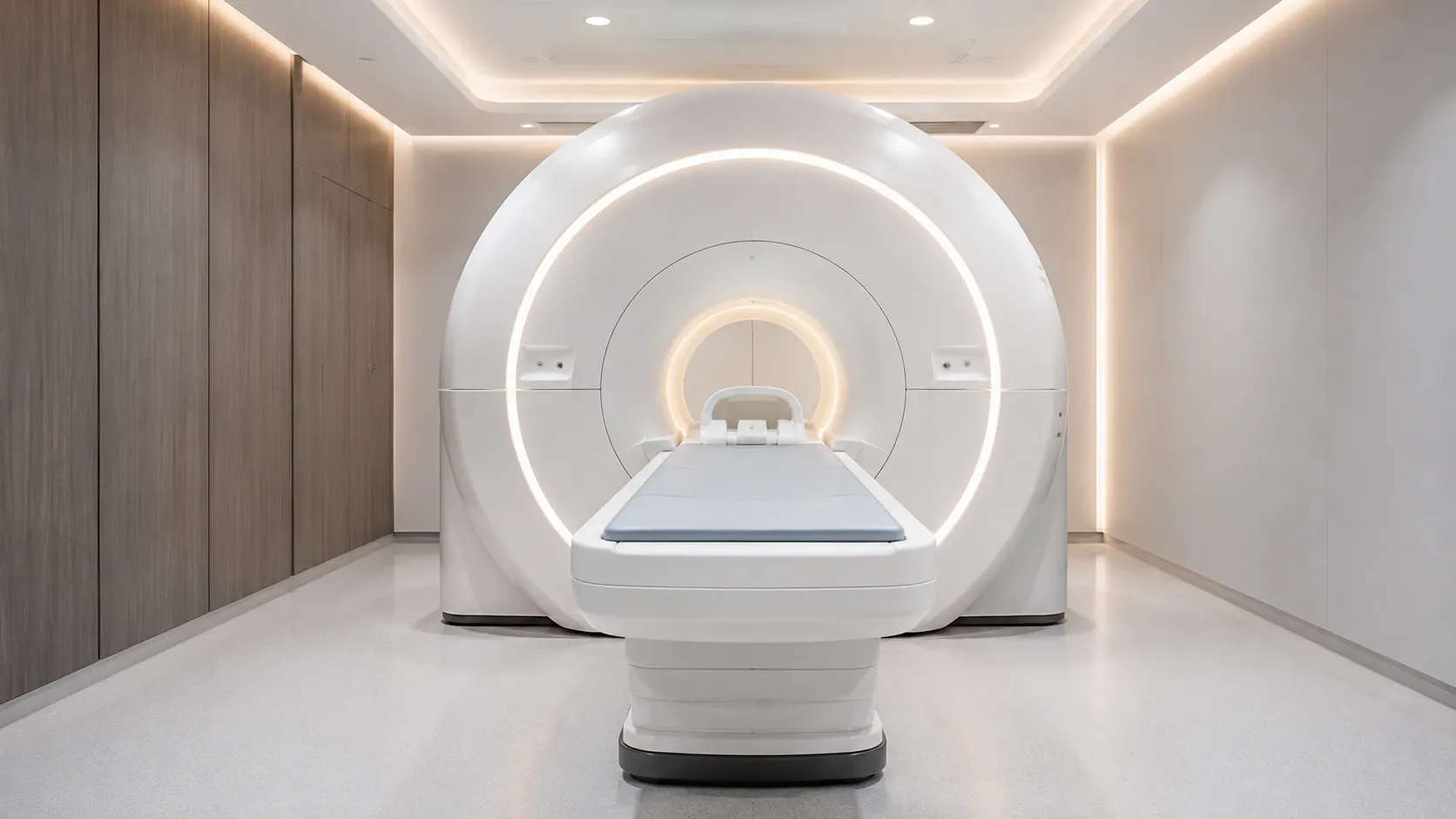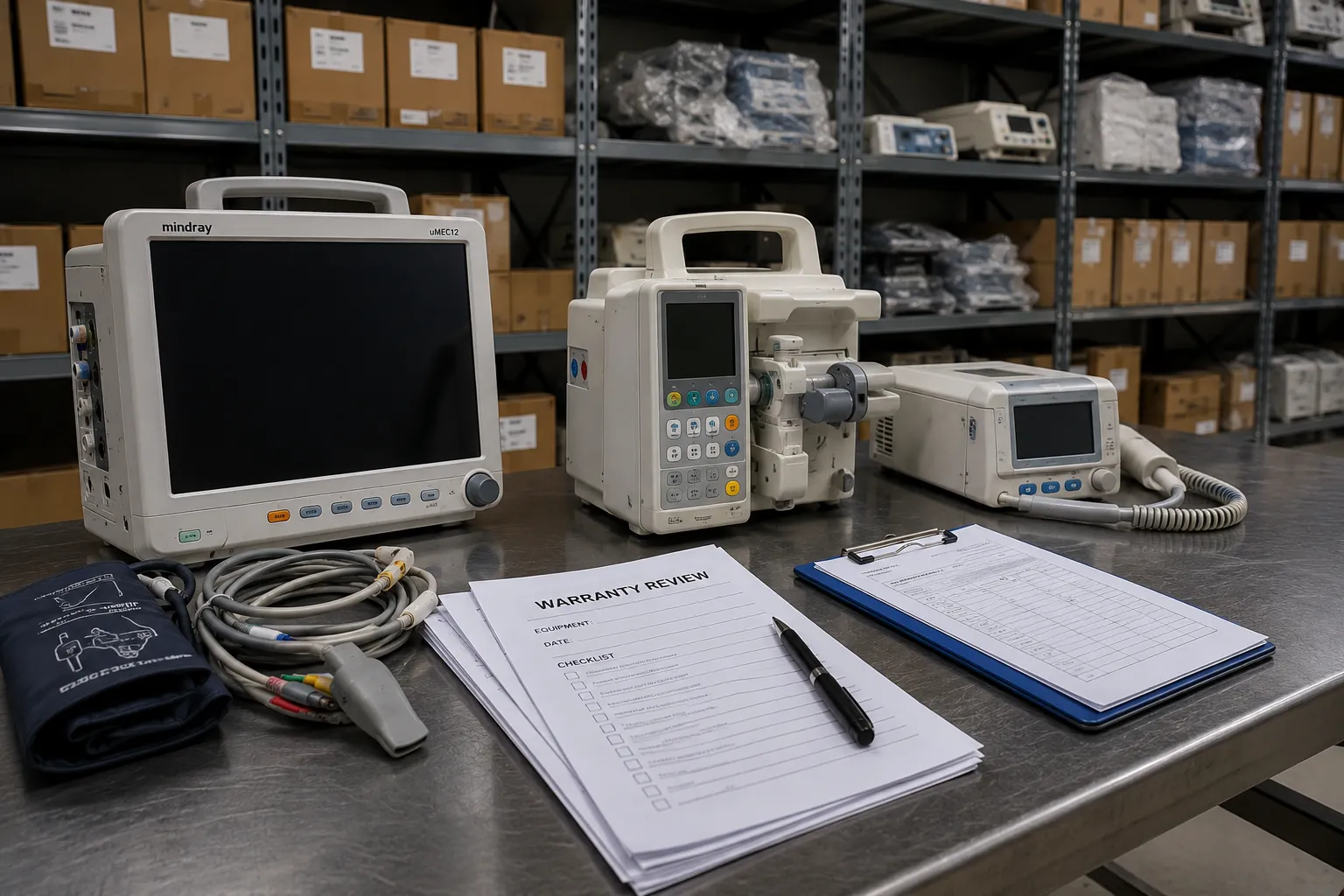
Healthcare facilities depend on much more than clinical equipment to deliver safe and efficient patient care. Behind every operating theatre, intensive care unit, emergency department, laboratory, and patient ward is a network of utility systems that keeps hospital operations functioning around the clock. While medical devices often receive the most attention during hospital planning, utility equipment forms the foundation that allows those technologies to operate reliably.
Hospital utility equipment includes medical gas systems, central oxygen infrastructure, vacuum systems, compressed air networks, water treatment solutions, power backup systems, HVAC equipment, and facility monitoring platforms. Together, these systems support clinical workflows, patient safety, regulatory compliance, and long-term operational efficiency.
As healthcare facilities become increasingly technology-driven, utility equipment planning has evolved from a purely engineering task into a strategic healthcare infrastructure decision. Hospitals that invest in well-designed utility systems are often better positioned to support future expansion, digital integration, and changing patient care requirements. This topic builds upon previous infrastructure discussions, including medical gas systems, oxygen distribution networks, and healthcare facility planning.
Healthcare organisations beginning infrastructure projects often review procurement options via a specialised healthcare buyer services platform to align utility planning with equipment acquisition strategies.
Why Hospital Utility Equipment Matters
Hospital utility equipment operates continuously in the background, supporting essential clinical services across multiple departments.
Supporting Critical Patient Care – Medical gases, oxygen systems, vacuum networks, and backup power solutions help healthcare professionals deliver uninterrupted treatment.
Maintaining Equipment Performance – Many diagnostic and therapeutic devices rely on a stable utility infrastructure to operate properly.
Improving Operational Reliability – Well-designed utility systems reduce downtime and help hospitals maintain service continuity.
Preparing for Emergency Situations – Redundant infrastructure helps healthcare facilities respond effectively during emergencies and unexpected demand surges.
Without reliable utility equipment, even the most advanced medical technology can become ineffective.
Medical Gas Systems
Medical gas systems are among the most important utility networks in healthcare facilities.
Common medical gases include:
-
Oxygen
-
Medical air
-
Nitrous oxide
-
Carbon dioxide
-
Medical vacuum
Supporting Clinical Procedures – Medical gases are essential for surgery, respiratory care, anaesthesia, and critical care.
Improving Workflow Efficiency – Centralised distribution networks provide direct access across clinical departments.
Hospitals planning infrastructure projects often benefit from understanding the concepts discussed in Medigear.uk's article,
Central Oxygen Supply Systems
Oxygen remains one of the most frequently used medical gases in healthcare environments.
Central oxygen systems typically include:
-
Liquid oxygen storage tanks
-
Cylinder manifold systems
-
Oxygen generation plants
-
Pressure regulators
-
Distribution pipelines
-
Alarm systems
Providing Continuous Oxygen Availability – Centralised systems support multiple departments simultaneously.
Reducing Manual Cylinder Handling – Direct distribution improves safety and operational efficiency.
Healthcare facilities evaluating oxygen infrastructure may also find value in Medigear.uk's guide on
Medical Vacuum Systems
Medical vacuum systems create controlled suction throughout healthcare facilities.
These systems commonly support:
-
Surgical procedures
-
Airway management
-
Intensive care treatment
-
Emergency medicine
-
Dental procedures
Enhancing Clinical Efficiency – Reliable suction supports a wide range of patient care activities.
Reducing Equipment Movement – Centralised systems decrease reliance on portable suction units.
Healthcare planners may also review Medigear. The UK's educational resource on a business supplier.
Medical Air Systems
Medical air systems provide clean compressed air for clinical applications.
Typical uses include:
-
Ventilators
-
Anesthesia systems
-
Respiratory therapy equipment
-
Diagnostic devices
Supporting Equipment Reliability – Consistent air quality contributes to safe device operation.
Improving Clinical Performance – Proper air supply helps maintain equipment accuracy and functionality.
HVAC Systems
Heating, ventilation, and air conditioning systems influence both patient comfort and infection control.
Healthcare HVAC systems support:
-
Temperature regulation
-
Humidity control
-
Air filtration
-
Pressure-controlled environments
Protecting Sensitive Equipment – Environmental stability helps maintain equipment performance.
Supporting Infection Prevention – Controlled airflow contributes to safer healthcare environments.
Water Treatment and Distribution Systems
Healthcare facilities require specialised water infrastructure.
Applications include:
-
Sterilization departments
-
Laboratories
-
Dialysis services
-
General facility operations
Maintaining Clinical Standards – Water quality directly affects many healthcare processes.
Supporting Equipment Longevity – Proper treatment reduces equipment wear and contamination risks.
Electrical and Backup Power Infrastructure
Reliable electrical systems are essential for modern healthcare operations.
Key components include:
-
Power monitoring equipment
-
Main electrical distribution
-
UPS systems
-
Backup generators
Supporting Life-Critical Equipment – Backup systems help maintain operations during power interruptions.
Reducing Operational Risk – Redundant infrastructure improves facility resilience.
Healthcare planners interested in broader infrastructure development may also find value in Medigear.uk's article titled
Building Management and Monitoring Systems
Modern hospitals increasingly use digital platforms to monitor utility performance.
These systems can track:
-
Energy consumption
-
Gas usage
-
Equipment status
-
Maintenance schedules
-
Alarm notifications
Improving Infrastructure Visibility – Real-time monitoring supports faster decision-making.
Supporting Predictive Maintenance – Data analysis helps identify issues before failures occur.
Utility Planning During Hospital Construction
Hospital utility equipment should be planned during the earliest project stages.
Coordinating Infrastructure Requirements – Utility systems influence building design, department layouts, and future expansion capacity.
Reducing Future Renovation Costs – Proper planning minimises the need for infrastructure modifications.
Supporting Technology Growth – Flexible utility systems accommodate evolving healthcare technologies.
Healthcare organisations interested in collaborative infrastructure projects can also explore healthcare business partners opportunities that support long-term facility development.
Building Future-Ready Healthcare Facilities
As healthcare technology continues advancing, utility systems are becoming increasingly important.
Supporting Digital Healthcare – Connected infrastructure facilitates the integration of modern medical technologies.
Improving Operational Sustainability – Efficient utility systems contribute to long-term cost management.
Protecting Infrastructure Investments – Strategic planning improves system longevity and adaptability.
Healthcare facilities seeking infrastructure guidance or procurement support can contact Medigear.uk's support Contact Team for additional information.
Buyer Insights for Hospital Utility Equipment
Hospital utility equipment investments influence healthcare operations for many years, making procurement planning an important part of facility development. Healthcare leaders should evaluate utility infrastructure based on operational requirements, future expansion plans, maintenance demands, and technology integration capabilities.
Prioritising Critical Systems – Medical gas networks, oxygen systems, vacuum infrastructure, backup power solutions, and HVAC equipment are typically prioritised because they directly support patient care.
Planning for Future Capacity – Utility systems should accommodate future bed expansion, new departments, and additional clinical technologies.
Evaluating Supplier Support – Reliable technical support, spare parts availability, installation expertise, and maintenance services contribute significantly to long-term performance.
Considering Lifecycle Costs – Procurement decisions should account for installation, energy consumption, maintenance expenses, upgrades, and replacement planning, rather than focusing solely on acquisition costs.
Healthcare organisations evaluating procurement strategies may also benefit from Medigear.uk's guide,
Maintenance and Operational Insights
Hospital utility systems operate continuously and require structured maintenance to maintain performance and reliability.
Implementing Preventive Maintenance Programs – Scheduled inspections help identify wear, leaks, pressure changes, and operational issues before failures occur.
Maintaining Monitoring Systems – Alarm panels and digital management platforms should be tested regularly.
Training Technical Teams – Facility management staff should understand emergency procedures, system operation, and maintenance requirements.
Managing Documentation – Maintenance records support compliance, planning, and asset management.
Preparing Backup Infrastructure – Critical systems should have contingency plans and redundant components in place to minimise disruptions.
Hospitals that prioritise preventive maintenance often achieve greater infrastructure reliability and lower long-term operating costs.
Industry Trends Influencing Hospital Utility Infrastructure
Healthcare infrastructure continues evolving to support modern clinical environments.
Smart Utility Management- Digital monitoring platforms are becoming standard across healthcare facilities.
Improving Operational Visibility – Real-time performance monitoring helps maintenance teams identify issues quickly.
Connected Healthcare Facilities- Utility equipment increasingly integrates with broader hospital management systems.
Supporting Data-Driven Decisions – Connected infrastructure improves maintenance planning and operational efficiency.
Sustainable Hospital Infrastructure- Healthcare organisations are focusing on reducing energy consumption and improving environmental performance.
Enhancing Resource Efficiency – Modern utility systems support long-term sustainability goals.
Modular Facility Expansion- Many hospitals are adopting flexible infrastructure strategies.
Supporting Future Growth – Expandable utility systems simplify adding departments and modernising facilities.
Healthcare organisations interested in strengthening their industry visibility may also explore business advertise opportunities within the Medigear.uk network.
Disclaimer
Medigear.uk is a medical equipment supplier and distributor. We do not provide medical advice, diagnosis, or treatment recommendations. All information is for educational and product awareness purposes only. Qualified medical professionals should always make healthcare decisions.