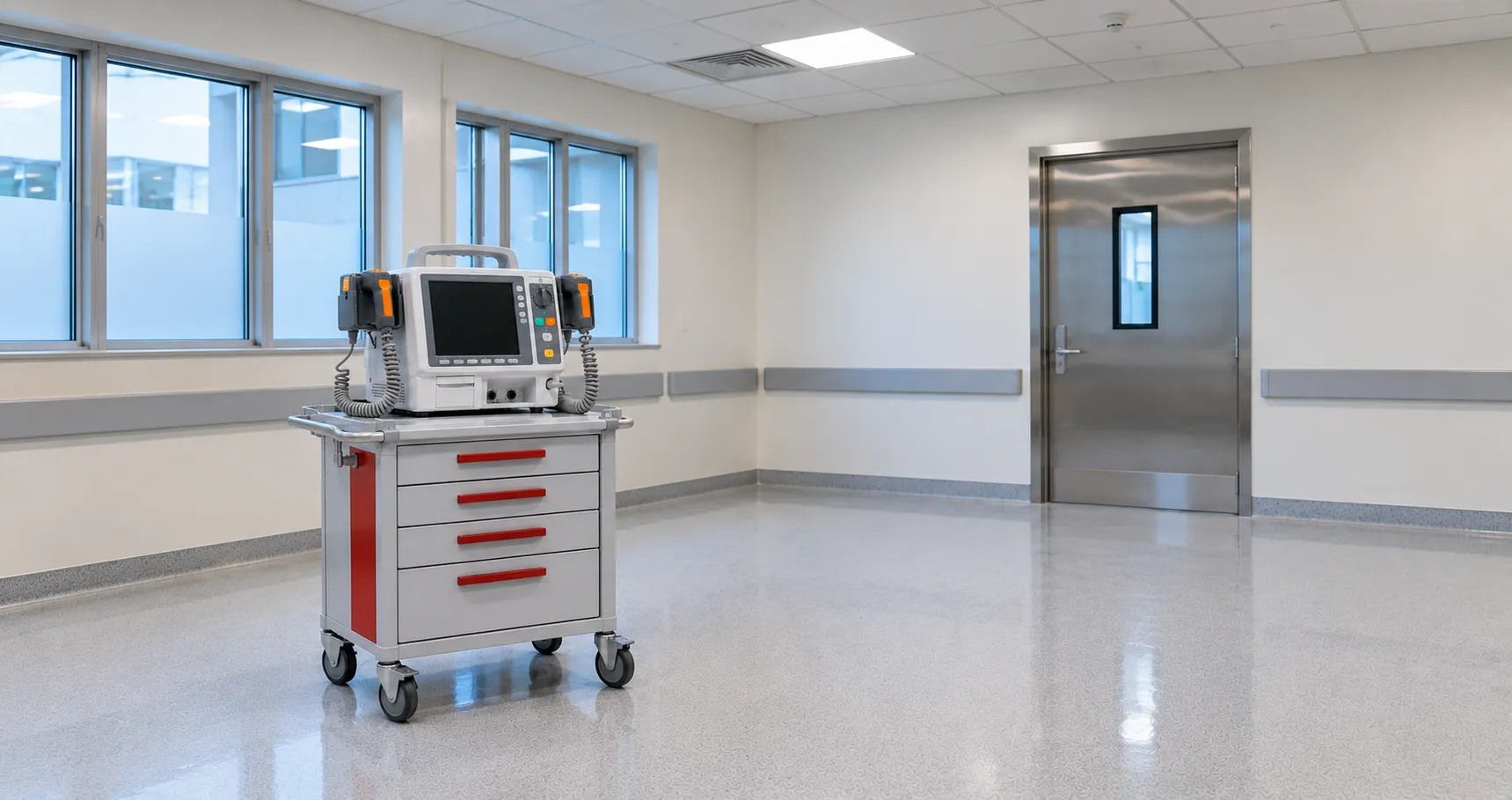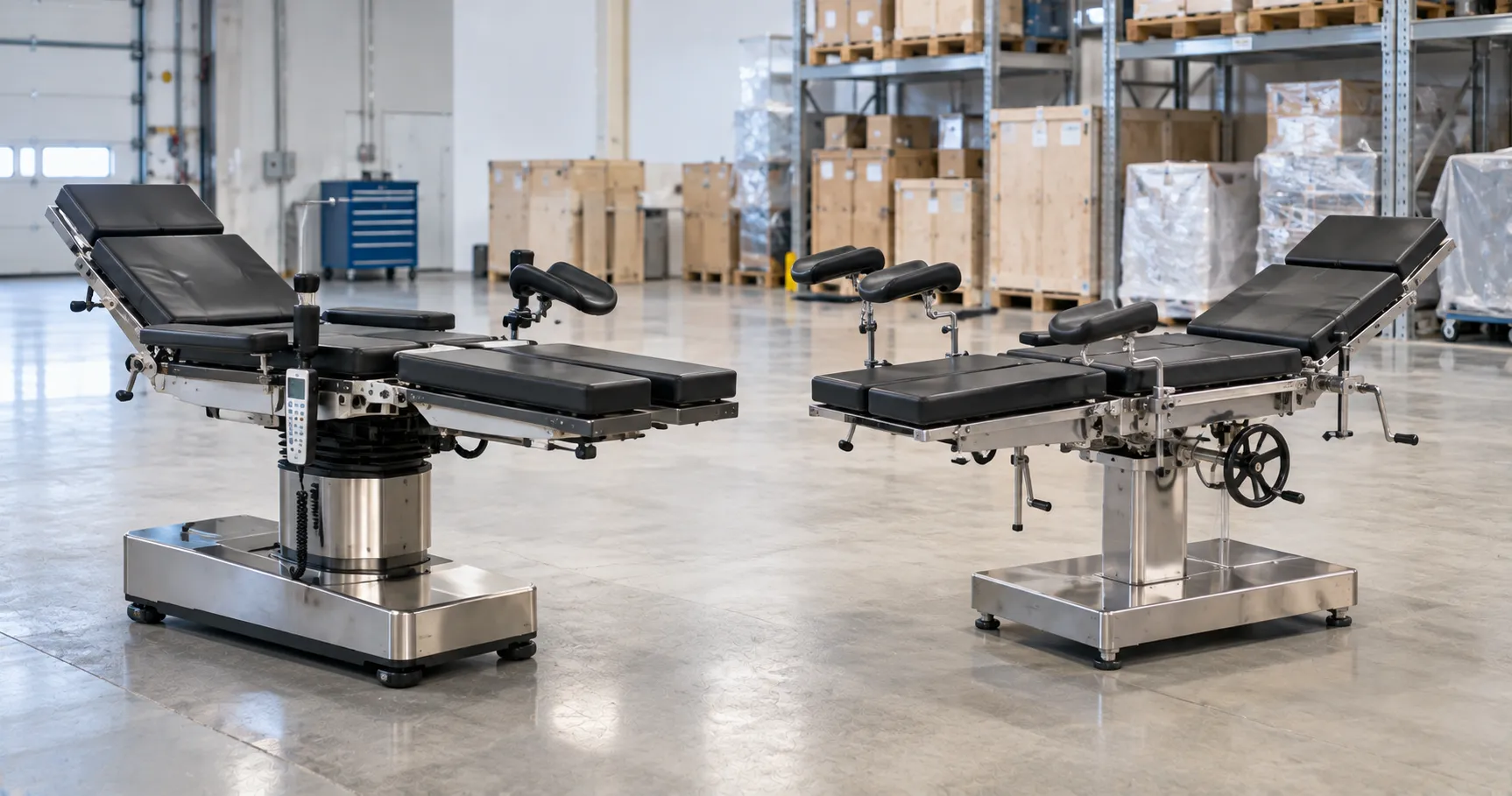

Hospital equipment commissioning is the step that turns a delivered device into a verified, documented, and usable clinical asset. A purchase may be approved, the equipment may arrive, and the installation may appear complete. Still, procurement work is not finished until acceptance checks, documents, training, warranty records, and handover responsibilities are confirmed.
For healthcare buyers, hospital equipment commissioning should act as the bridge between procurement, installation, biomedical review, and clinical use. WHO explains that technical specifications support the procurement and acquisition of medical devices, making it necessary to verify delivered and installed equipment against approved requirements before handover. This guide explains how procurement teams can plan commissioning records, supplier sign-off, training, warranty control, service readiness, and lifecycle support more carefully.
How Commissioning Supports Clinical Equipment Decisions
Verification Before Routine Use — Commissioning confirms that the delivered equipment matches the approved quotation, specification, purchase order, and intended use. A device should not move into routine clinical operation until model details, serial numbers, accessories, software options, and installation requirements have been checked.
Clinical Readiness Check — Procurement teams should confirm that the equipment is suitable for use in the department where it will operate. In practice, teams often find that a device can pass delivery checks but still lacks user training, mounting accessories, power compatibility, clinical presets, cleaning instructions, or basic workflow readiness.
Biomedical Acceptance Review — Biomedical engineers help confirm installation quality, safety checks, maintenance needs, service manuals, spare parts information, calibration requirements,s where applicable, and warranty start details. Their involvement reduces the risk of accepting equipment that later becomes difficult to support.
Supplier Handover Accountability — Commissioning gives procurement teams a documented point of supplier accountability. Experienced buying managers typically request supply sign-offs, acceptance forms, engineering notes, and a list of unresolved issues before closing the procurement file.
Where Equipment Commissioning Matters Across Healthcare Settings
Large Teaching Hospitals — These facilities may commission equipment across the ICU, operating rooms, imaging, laboratories, emergency care, CSSD, outpatient departments, and specialist wards. Facilities that manage high equipment volumes tend to reduce handover disputes when commissioning forms are standardised across departments.
District and Regional Hospitals — These hospitals often depend on limited backup equipment, so commissioning must confirm usability before departments rely on the device. A missing probe, an unclear warranty start date, an incomplete training record, or an unavailable service contact can disrupt daily operations.
Facilities sourcing through regulated and certified equipment suppliers worldwide should request commissioning forms, installation records, warranty documents, service manuals, accessory lists, conformity records, and supplier support contacts before final acceptance.
Community Health Centres — Smaller healthcare settings need commissioning steps that are simple but complete. One aspect that surprises first-time buyers is how often basic equipment remains underused because staff were not trained, accessories were not labelled, or maintenance responsibility was not recorded.
Mobile and Point-of-Care Services — Mobile healthcare teams should commission portable equipment for battery life, transport protection, charging routines, cleaning procedures, accessory storage, and field-use documentation. Equipment used outside fixed rooms needs extra attention to movement, handling, and power conditions.
Commissioning Details That Change Equipment Value
Installation Verification and Site Fit — Commissioning should confirm that the equipment has been installed in accordance with site requirements, supplier instructions, and facility conditions. This may include power, ventilation, plumbing, network points, medical gas, floor space, wall mounting, access clearance, and storage needs.
Acceptance Testing and Function Checks — Acceptance checks should confirm that the equipment powers on, performs basic functions, includes ordered accessories, and is ready for department use. WHO’s user guide states that technical specifications can be used for tendering, procurement, purchasing, maintenance planning, training, and technical information searches, making them useful during commissioning review.
Warranty Start and Service Route — Commissioning should identify whether the warranty begins from the invoice date, delivery date, installation date, or acceptance date. The record should also state who handles service, how faults are reported, which parts are covered, and which actions may affect the warranty.
Connected Equipment and Data Readiness — Connected devices may require network setup, software configuration, user access, data export checks, and interoperability review. The FDA defines medical device interoperability as the ability to safely, securely, and effectively exchange and use information among devices, products, technologies, or systems, so commissioning should include data and compatibility checks where relevant.
Procurement Evaluation Guidance for Commissioning
Total Commissioning Cost Review — Procurement teams should include commissioning-related costs when comparing suppliers. These may include installation labour, engineer visit, acceptance testing, staff training, accessories, room preparation, software setup, service documentation, downtime, and future maintenance planning.
Supplier Evidence and Handover Quality — A reliable supplier should provide installation records, commissioning reports, warranty details, manuals, training documents, accessory lists, and notes on unresolved issues. Suppliers and manufacturers advertising to global healthcare buyers should expect procurement teams to request commissioning-ready evidence before final acceptance.
Compliance Variation by Destination Market — Requirements differ considerably across healthcare systems. Buyers should confirm applicable local regulatory standards, such as CE, FDA, or their regional equivalents, where relevant to the device category, destination market, installation responsibility, acceptance testing, and handover documentation.
Training and Department Release — Equipment should not be released to routine use until staff know how to operate it, clean it, report faults, store accessories, and recognise basic warning signs. Commissioning should record who received training and whether any follow-up support is needed.
Healthcare networks managing repeated equipment projects can reduce commissioning variation through structured distribution and reseller partnership arrangements. Buyers with commissioning review needs, supplier documentation questions, or international sourcing requirements can contact the Medigear.uk team for supply support before confirming procurement decisions.
Maintenance, Service Life, and Commissioning Records
Asset Register Creation — Commissioning should create or complete the asset register entry. The record should include model number, serial number, department, location, supplier, warranty start date, installation date, service contact, accessory details, and maintenance schedule.
Preventive Maintenance Setup — Commissioning should trigger the first maintenance schedule. WHO explains that a maintenance strategy includes inspection, preventive maintenance, and corrective maintenance, with preventive maintenance intended to extend equipment life and reduce failure rates.
Service Access and Spare Parts — Procurement teams should confirm that spare parts, service manuals, fault-reporting routes, and supplier contacts are available before final handover. In markets where local support is limited, commissioning records can reduce downtime by making service responsibilities clear from the start.
Global Demand and International Commissioning Planning
Different Facility Priorities — Large hospitals may use digital commissioning systems, barcode asset registration, and formal biomedical sign-off. Clinics, district hospitals, community health centres, and mobile services may need simpler commissioning forms that still capture documents, training, warranty, and service contacts.
Export Documentation and Acceptance Control — International equipment orders should be checked against the invoice, packing list, conformity records, warranty files, manuals, installation notes, and supplier commitments before commissioning is closed. Commissioning protects buyers from accepting equipment before documents and responsibilities are complete.
New and Refurbished Equipment Commissioning — New equipment may include a clearer warranty, current software, and a formal supplier handover. Refurbished equipment should receive extra commissioning attention for condition, service history, calibration evidence where applicable, accessory completeness, warranty limits, and remaining service life.
Final Thoughts
Hospital equipment commissioning helps procurement teams confirm that medical equipment is not only delivered but also properly installed, verified, documented, and ready for handover. Strong commissioning reduces the risk of missing accessories, warranty confusion, incomplete training, supplier disputes, and avoidable downtime.
Procurement teams should involve biomedical engineers, facilities staff, clinical users, IT teams, suppliers, logistics teams, and project managers where relevant. Clear commissioning forms, acceptance checks, training records, warranty files, asset registration, and maintenance schedules help healthcare facilities move from purchase completion to practical equipment readiness.
Disclaimer
Medigear.uk is a global medical equipment supplier, exporter, and distributor. The content published on this site is intended for educational and product awareness purposes only. Nothing on this page constitutes medical advice, clinical guidance, or treatment recommendations. All healthcare procurement and clinical decisions should be made by qualified medical professionals and compliant procurement teams operating within the regulatory frameworks of their respective countries.