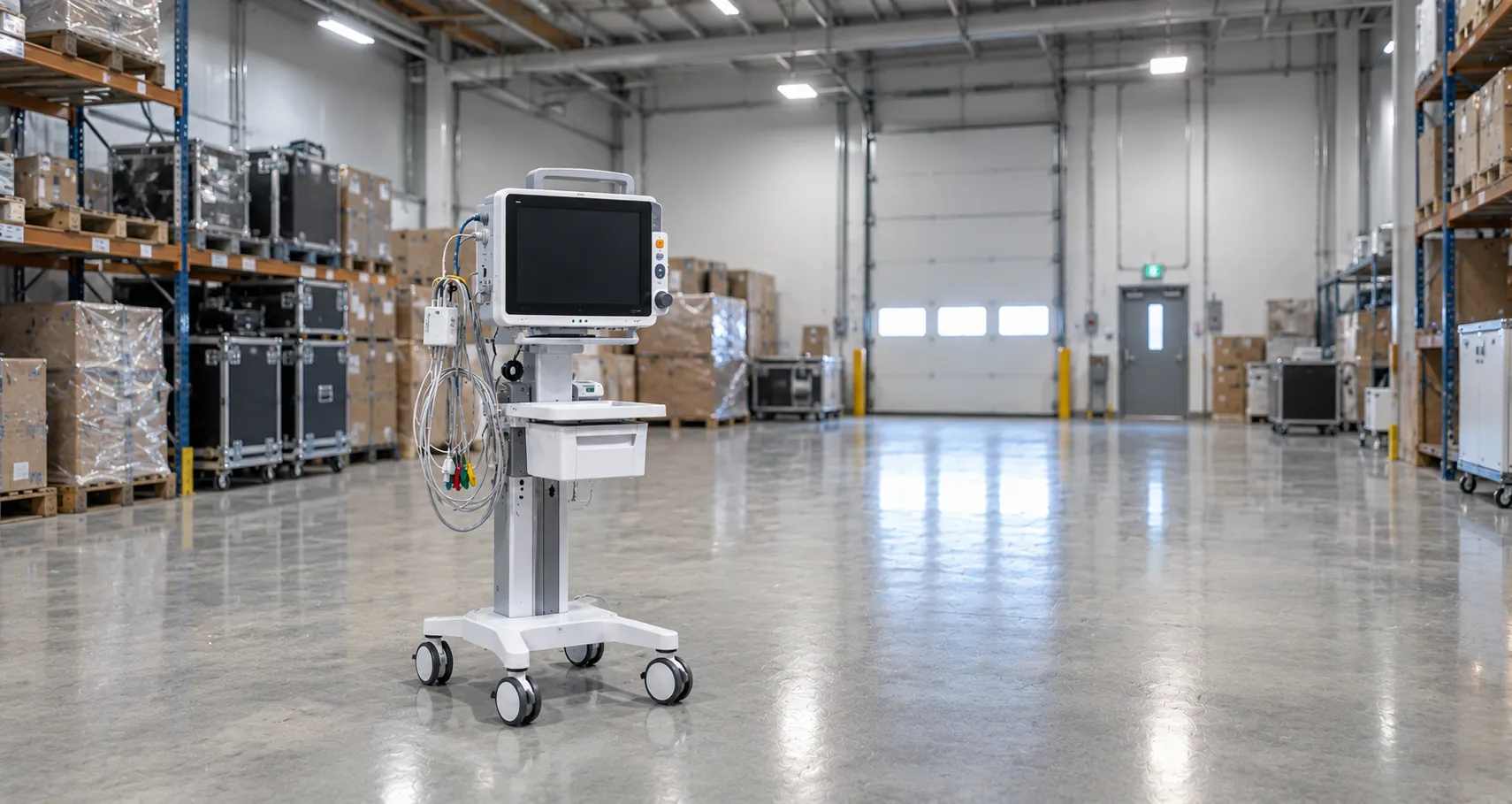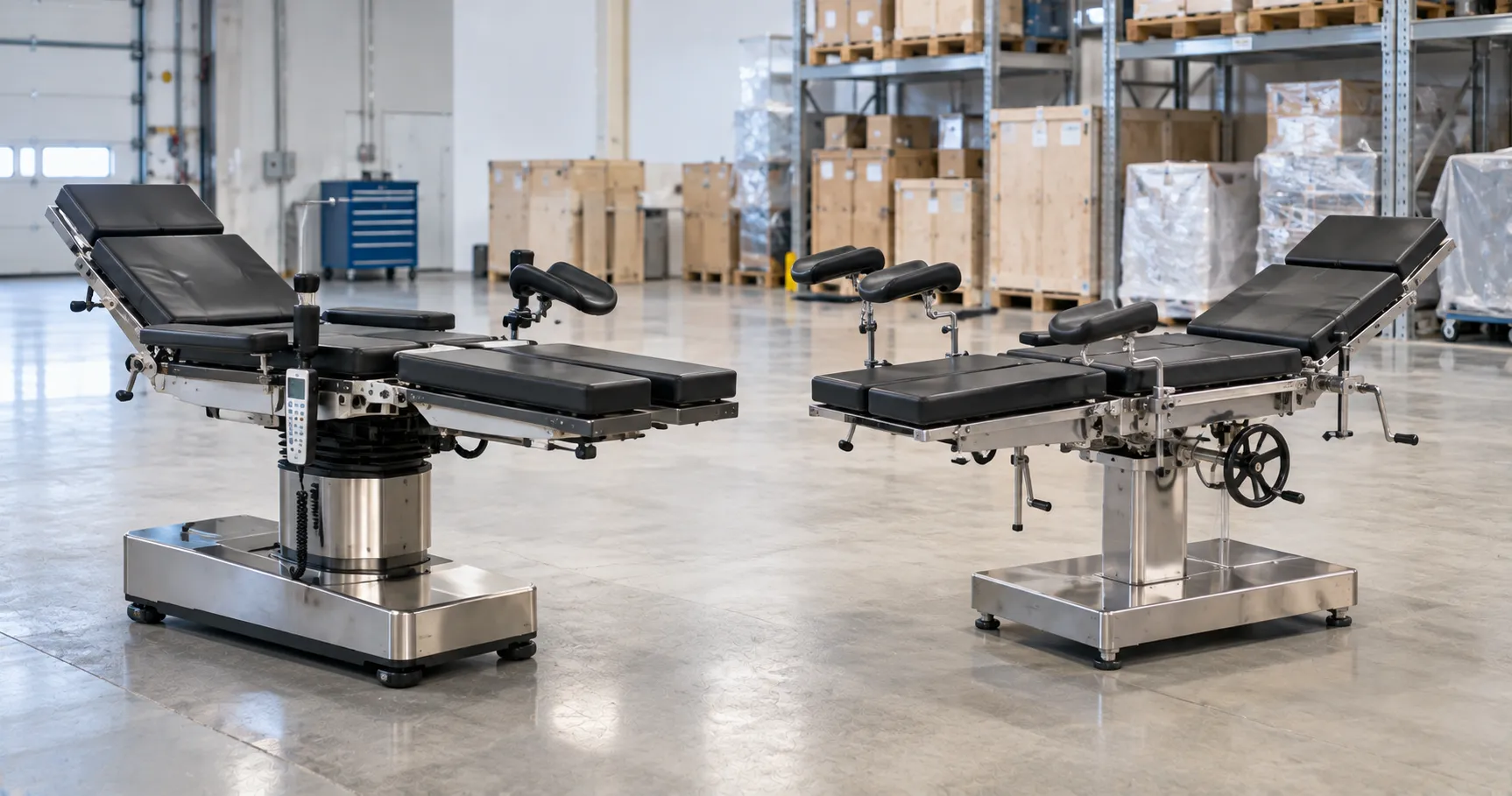

Global medical equipment sourcing helps hospitals, clinics, diagnostic centres, distributors, and healthcare procurement teams find suitable medical devices from trusted suppliers across international markets. It covers supplier verification, technical specifications, compliance documents, warranty terms, spare parts, service support, logistics, installation needs, maintenance planning, and lifecycle cost.
For healthcare buyers, sourcing should not begin with price alone. WHO explains that technical specifications support the procurement and acquisition of medical devices, which makes clear product requirements important before buyers compare suppliers.
What Global Medical Equipment Sourcing Means
Global medical equipment sourcing means identifying, evaluating, purchasing, and coordinating medical equipment from suppliers, manufacturers, exporters, distributors, or authorised sellers outside the buyer’s immediate local market.
This may include new equipment, certified refurbished equipment, spare parts, consumables, accessories, diagnostic devices, surgical equipment, ICU systems, laboratory equipment, hospital furniture, sterilisation units, imaging systems, rehabilitation equipment, and emergency devices.
The goal is to source equipment that meets clinical need, budget expectations, documentation requirements, service support needs, and local regulatory obligations.
Why Healthcare Buyers Source Equipment Globally
Healthcare buyers may source globally for several reasons.
Wider Product Access — Some equipment models, accessories, or specialist devices may not be available locally.
Better Supplier Options — Global sourcing allows buyers to compare multiple manufacturers, distributors, and product categories.
Cost Control — International sourcing may help buyers compare total value, but the final decision should include shipping, customs, installation, service, and spare parts.
Project Procurement — New hospitals, diagnostic centres, and specialist clinics may need complete equipment packages.
Technology Upgrades — Buyers may source updated systems for imaging, laboratory workflow, ICU care, sterilisation, digital health, and surgical services.
Backup Supply Channels — Multiple supplier options can reduce dependence on a single market or distributor.
Key Steps in Medical Equipment Sourcing
A structured sourcing process helps healthcare buyers reduce risk.
Define the Clinical Need — Start with department requirements, patient group, workflow, capacity, and intended use.
Create Technical Specifications — Specifications should include required features, accessories, power needs, software requirements, maintenance expectations, and documentation.
Verify Suppliers — Check supplier identity, product experience, certifications, references, export capability, service support, and warranty terms.
Review Documentation — Buyers should request product manuals, compliance files, certificates, test reports, user guides, warranty documents, and service instructions.
Compare Total Cost — Include product price, shipping, customs, installation, accessories, training, consumables, maintenance, spare parts, and replacement planning.
Plan Logistics — Confirm packing, insurance, shipping method, delivery timeline, installation requirements, and receiving responsibilities.
Facilities sourcing through regulated and certified equipment suppliers worldwide should request complete product and supplier information before confirming an order.
Supplier Verification Checklist
Supplier verification is one of the most important parts of global medical equipment sourcing. A professional supplier should be able to clearly explain product details, documentation, warranty, logistics, and after-sales support.
Healthcare buyers should check:
-
Company registration
-
Manufacturer authorisation
-
Export experience
-
Product portfolio
-
Client references
-
Compliance documents
-
Service capability
-
Spare part support
-
Warranty process
-
Return policy
-
Payment terms
-
Shipping experience
-
Training availability
-
Documentation quality
-
Communication speed
If a supplier avoids providing documentation, provides unclear specifications, refuses to provide warranty details, or cannot explain service support, buyers should proceed with caution.
Technical Specifications and Product Matching
Technical specifications help buyers compare products fairly. WHO’s user guide explains that WHO technical specifications can be used for tendering, procurement, and purchasing of medical equipment.
A useful equipment specification should include:
-
Device category
-
Intended use
-
Required parameters
-
Department use
-
Patient group
-
Power requirements
-
Accessories
-
Consumables
-
Software needs
-
Connectivity
-
Installation needs
-
Training requirements
-
Maintenance needs
-
Calibration requirements
-
Warranty expectations
-
Compliance documents
A clear specification reduces confusion and helps suppliers quote the correct product.
Compliance and Import Documentation
Medical equipment sourcing should include regulatory and import review. Requirements vary by device category, destination market, intended use, and buyer type.
Buyers may need to review:
-
CE marking, where applicable
-
FDA clearance,e where applicable
-
ISO certificates where applicable
-
Manufacturer declaration
-
Certificate of origin
-
Invoice
-
Packing list
-
User manual
-
Service manual
-
Warranty document
-
Test reports
-
Electrical safety documents
-
Sterilisation documents were relevant
-
Importer or distributor requirements
FDA’s medical device import page explains that it provides an overview of requirements FDA verifies or enforces when medical devices are imported or offered for import into its market.
Logistics and Shipping Planning
Logistics should be planned before payment is completed. Medical equipment may be heavy, fragile, temperature-sensitive, software-dependent, or installation-specific.
Buyers should confirm:
-
Packing method
-
Crate dimensions
-
Gross weight
-
Shipping route
-
Insurance
-
Freight method
-
Port or airport handling
-
Customs responsibility
-
Delivery address
-
Installation site readiness
-
Power compatibility
-
Unloading equipment
-
Storage conditions
-
Damage reporting process
Large equipment such as imaging systems, operating tables, autoclaves, laboratory analysers, and ICU systems may need special handling, installation support, and site preparation.
Warranty, Spare Parts and Service Support
A low purchase price can become expensive if service support is weak. Buyers should confirm warranty terms, spare parts, response time, service access, and repair process before ordering.
Important questions include:
-
What is covered under warranty?
-
How long is the warranty valid?
-
Who provides service support?
-
Are spare parts available?
-
What is the expected response time?
-
Are accessories included?
-
Are consumables easy to source?
-
Is remote support available?
-
Who pays shipping for warranty repairs?
-
What happens after the warranty ends?
WHO defines medical equipment as medical devices that require calibration, maintenance, repair, user training, and decommissioning, which highlights why after-sales support should be part of the sourcing process.
Total Cost of Ownership
Healthcare buyers should compare the total cost of ownership rather than only the purchase price.
Total cost may include:
-
Equipment price
-
Accessories
-
Consumables
-
Freight
-
Insurance
-
Customs
-
Installation
-
Training
-
Software
-
Licences
-
Preventive maintenance
-
Calibration
-
Spare parts
-
Repair cost
-
Downtime
-
Replacement planning
Procurement teams should avoid buying equipment that is cheap to purchase but expensive to operate, repair, or maintain.
Health Technology Assessment in Sourcing
For large purchases, health technology assessment can help buyers compare value beyond price. WHO describes health technology assessment as a multidisciplinary process used to evaluate the clinical, economic, ethical, and social implications of health technologies.
Healthcare buyers can use this approach when evaluating major equipment such as MRI systems, CT scanners, ICU packages, laboratory automation, surgical systems, sterilisation departments, and connected hospital technologies.
A strong review should consider:
-
Clinical need
-
Expected usage
-
Patient benefit
-
Workflow impact
-
Operating cost
-
Maintenance burden
-
Staff training
-
Supplier support
-
Replacement timing
-
Documentation requirements
Procurement Risk Management
Global sourcing can create procurement risks if buyers do not manage the process carefully.
Common risks include:
-
Unverified suppliers
-
Incomplete documents
-
Wrong model selection
-
Hidden shipping cost
-
Weak warranty terms
-
No spare part support
-
Poor service access
-
Power incompatibility
-
Language mismatch in manuals
-
Long lead times
-
Unclear payment terms
-
Customs delays
-
Damage during shipping
-
No installation plan
Risk management begins with clear specifications, verified suppliers, written terms, and documented communication.
Role of Digital Records in Global Sourcing
Digital records help healthcare buyers manage global sourcing more professionally. Each sourced device should have a complete procurement and asset record.
Records should include:
-
Quotation
-
Purchase order
-
Invoice
-
Packing list
-
Shipping documents
-
Compliance documents
-
Warranty file
-
Supplier contact
-
Installation notes
-
Service manual
-
Training record
-
Asset code
-
Maintenance schedule
-
Spare part list
-
Software version
Keeping records organised helps procurement teams manage audits, service claims, replacement planning, and supplier performance.
Working With International Suppliers
International supplier communication should be clear and professional. Buyers should avoid vague requests such as “send price.” Instead, they should provide department details, device requirements, quantity, destination, certification needs, accessories, warranty expectations, and service requirements.
Suppliers and manufacturers advertising to global healthcare buyers should provide clear product details, images, specifications, documentation, logistics information, warranty terms, and service support.
Good communication reduces delays, wrong quotations, and incomplete shipments.
Common Mistakes to Avoid
Healthcare buyers should avoid these sourcing mistakes.
Buying Without Specifications — Without clear requirements, suppliers may quote unsuitable products.
Choosing Only by Price — A low price may hide a weak warranty, limited service, missing accessories, or high maintenance costs.
Skipping Supplier Verification — Unverified suppliers can create documentation, payment, and delivery risks.
Ignoring Spare Parts — Equipment becomes difficult to maintain if spare parts are unavailable.
Forgetting Installation Needs — Some equipment needs site preparation, special power, training, or technical setup.
No Import Document Review — Missing documents can delay customs clearance and facility approval.
No Maintenance Plan — Equipment should be entered into the asset register with a service schedule from the outset.
International Sourcing Considerations
Global medical equipment sourcing should be planned with supplier checks, documentation review, freight planning, warranty review, spare part availability, service support, training, and compliance needs.
Healthcare groups managing multiple facilities may benefit from structured distribution and reseller partnership arrangements. Standardising suppliers, specifications, documentation, maintenance records, and service terms can reduce procurement variation.
Buyers should confirm whether they need imaging equipment, ICU devices, laboratory equipment, surgical systems, sterilisation units, hospital furniture, emergency devices, rehabilitation equipment, dental systems, or complete project packages. For project-based sourcing, buyers can contact the Medigear.uk team for supply support to discuss availability, documentation, export needs, and procurement requirements.
Future Role of Global Equipment Sourcing
Global medical equipment sourcing will continue to support hospitals and healthcare buyers as facilities upgrade technology, expand diagnostic services, improve critical care capacity, strengthen sterilisation workflow, and adopt connected medical devices.
The strongest sourcing strategies will combine supplier verification, technical specifications, compliance review, logistics planning, warranty checks, service support, maintenance readiness, digital records, and total cost analysis.
Global sourcing should not be rushed. It should be structured, documented, and connected to the full medical equipment lifecycle.
Final Thoughts
Global medical equipment sourcing helps healthcare buyers access a wider range of suppliers, compare equipment categories, plan project procurement, and source devices for hospitals, clinics, diagnostic centres, emergency units, laboratories, and specialist departments.
The right sourcing strategy should include clear specifications, verified suppliers, compliance reviews, logistics planning, warranty checks, spare-part availability, maintenance readiness, digital records, and total cost analysis. Healthcare buyers should treat sourcing as a full lifecycle decision, not only a purchase transaction.
Disclaimer
Medigear.uk is a global medical equipment supplier, exporter, and distributor. The content published on this site is intended for educational and product awareness purposes only. Nothing on this page constitutes medical advice, clinical guidance, import consulting, procurement consulting, legal advice, regulatory advice, or treatment recommendations. All healthcare procurement, import, export, logistics, technology, legal, regulatory, facility, and clinical decisions should be made by qualified professionals and compliant procurement teams operating within the regulatory frameworks of their respective countries.