Home healthcare has become an increasingly important part of modern patient support, allowing individuals to receive care in familiar surroundings while maintaining comfort and independence. Whether recovering from surgery, managing long-term health conditions, or supporting ageing family members, having the right home care equipment can improve daily routines for both users and caregivers.
Building a practical home care setup involves selecting equipment that matches individual needs, available space, and long-term care plans. This checklist highlights common categories of home care equipment and important considerations for buyers.
Mobility Support Equipment
Mobility aids are often among the first pieces of equipment introduced into a home care environment.
Walking Aids – Walking sticks, frames, and rollators provide additional balance and stability.
Wheelchairs – Manual and powered models help individuals with limited mobility move more comfortably.
Mobility Scooters – Designed to assist with longer-distance travel and outdoor activities.
Transfer Equipment – Transfer boards and patient lifts simplify repositioning and movement.
Healthcare organisations and procurement teams exploring mobility solutions can discover sourcing opportunities through buyer services.
Home Care Beds
Adjustable beds can improve both patient comfort and caregiver accessibility.
Important features include:
-
Height adjustment.
-
Adjustable backrests.
-
Leg positioning.
-
Side rails.
-
Locking wheels.
Home care beds can help simplify transfers and daily care routines.
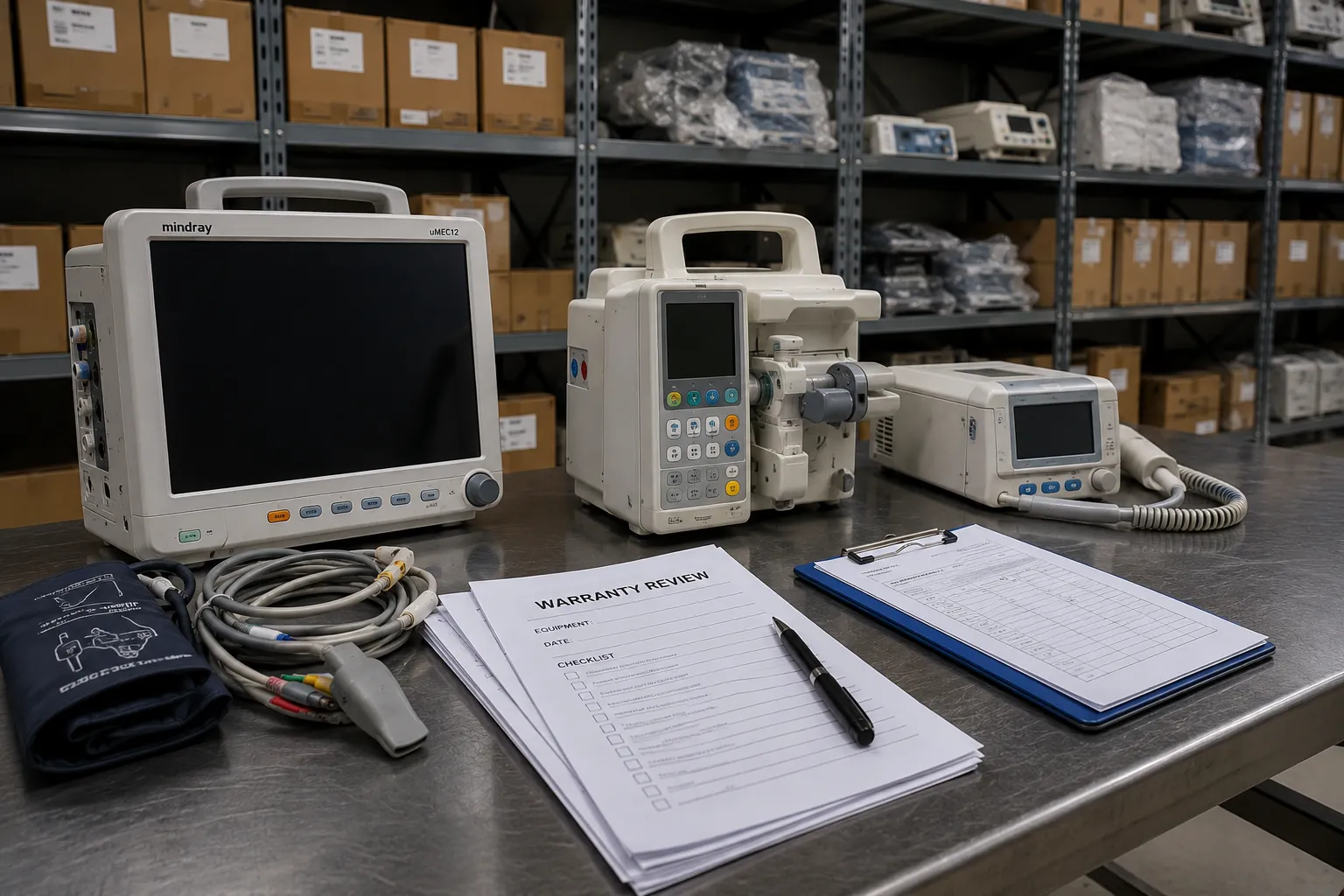
Patient Monitoring Equipment
Monitoring devices can assist with routine health observations.
Common equipment includes:
Digital Blood Pressure Monitors – Support regular measurements.
Pulse oximeters measure oxygen saturation and pulse rate.
Digital Thermometers – Provide body temperature readings.
Weight Scales – Help monitor weight changes over time.
Portable Monitoring Devices – Offer flexible observation options.
Bathroom Safety Equipment
Bathrooms often require additional accessibility features.
Common products include:
-
Shower chairs.
-
Bath benches.
-
Toilet support frames.
-
Grab rails.
-
Non-slip accessories.
These items help improve comfort and mobility during daily routines.
Daily Living Aids
Simple assistive products can make everyday activities easier.
Examples include:
Reaching Tools – Help retrieve objects.
Dressing Aids – Assist with clothing management.
Eating Assistance Products – Improve mealtime independence.
Support Cushions – Enhance seating comfort.
Small adaptations can contribute to greater independence at home.
Healthcare suppliers interested in expanding their market reach can explore: business suppliers.
Patient Transfer Solutions
Safe movement between beds, chairs, and wheelchairs may require additional equipment.
Consider:
-
Transfer belts.
-
Sliding sheets.
-
Patient lifts.
-
Transfer chairs.
-
Positioning cushions.
Selecting appropriate transfer aids can simplify caregiving activities.
Storage and Organisation
Keeping equipment organised supports efficient home care.
Medication Storage Areas – Improve accessibility.
Equipment Storage Solutions – Help maintain tidy spaces.
Charging Stations – Keep rechargeable devices ready for use.
Accessory Organisation – Simplifies daily routines.
Thoughtful planning can improve overall workflow.
Emergency Preparedness
Home care planning often includes preparing for unexpected situations.
Useful items may include:
-
Flashlights.
-
Backup batteries.
-
Portable chargers.
-
Emergency contact information.
-
Basic first aid supplies.
Preparation can support continuity during unforeseen circumstances.
Healthcare organisations interested in collaborative opportunities can learn more through business partners.
Equipment Maintenance
Routine maintenance helps keep home care equipment functioning effectively.
Inspect Moving Parts – Check wheels and hinges.
Clean Surfaces Regularly – Support equipment longevity.
Recharge Batteries – Maintain portable devices.
Review Safety Features – Ensure locks and handles function properly.
Schedule Preventive Checks – Identify issues early.
Regular care can extend equipment lifespan and reliability.
Planning for Future Needs
Home care requirements may change over time.
When building a home care equipment checklist, consider:
-
Available living space.
-
Changing mobility needs.
-
Equipment compatibility.
-
Ease of operation.
-
Maintenance requirements.
-
Future adaptability.
Flexible planning can help reduce the need for frequent equipment replacements.
Businesses interested in connecting with the healthcare community can discover promotional opportunities: businesses advertise
For product enquiries and procurement support, assistance is available through:
Contact Team
Creating a Comfortable Home Care Environment
An effective home care setup combines mobility aids, monitoring devices, adjustable furniture, transfer equipment, and practical daily living products. The right combination depends on individual circumstances and long-term planning goals.
A well-organised home care environment can support independence, simplify caregiving tasks, and improve everyday comfort while adapting to changing healthcare needs.
Home healthcare has become an increasingly important part of modern patient support, allowing individuals to receive care in familiar surroundings while maintaining comfort and independence. Whether recovering from surgery, managing long-term health conditions, or supporting ageing family members, having the right home care equipment can improve daily routines for both users and caregivers.
Building a practical home care setup involves selecting equipment that matches individual needs, available space, and long-term care plans. This checklist highlights common categories of home care equipment and important considerations for buyers.
Mobility Support Equipment
Mobility aids are often among the first pieces of equipment introduced into a home care environment.
Walking Aids – Walking sticks, frames, and rollators provide additional balance and stability.
Wheelchairs – Manual and powered models help individuals with limited mobility move more comfortably.
Mobility Scooters – Designed to assist with longer-distance travel and outdoor activities.
Transfer Equipment – Transfer boards and patient lifts simplify repositioning and movement.
Healthcare organisations and procurement teams exploring mobility solutions can discover sourcing opportunities through buyer services.
Home Care Beds
Adjustable beds can improve both patient comfort and caregiver accessibility.
Important features include:
-
Height adjustment.
-
Adjustable backrests.
-
Leg positioning.
-
Side rails.
-
Locking wheels.
Home care beds can help simplify transfers and daily care routines.
Patient Monitoring Equipment
Monitoring devices can assist with routine health observations.
Common equipment includes:
Digital Blood Pressure Monitors – Support regular measurements.
Pulse oximeters measure oxygen saturation and pulse rate.
Digital Thermometers – Provide body temperature readings.
Weight Scales – Help monitor weight changes over time.
Portable Monitoring Devices – Offer flexible observation options.
Bathroom Safety Equipment
Bathrooms often require additional accessibility features.
Common products include:
-
Shower chairs.
-
Bath benches.
-
Toilet support frames.
-
Grab rails.
-
Non-slip accessories.
These items help improve comfort and mobility during daily routines.
Daily Living Aids
Simple assistive products can make everyday activities easier.
Examples include:
Reaching Tools – Help retrieve objects.
Dressing Aids – Assist with clothing management.
Eating Assistance Products – Improve mealtime independence.
Support Cushions – Enhance seating comfort.
Small adaptations can contribute to greater independence at home.
Healthcare suppliers interested in expanding their market reach can explore: business suppliers.
Patient Transfer Solutions
Safe movement between beds, chairs, and wheelchairs may require additional equipment.
Consider:
-
Transfer belts.
-
Sliding sheets.
-
Patient lifts.
-
Transfer chairs.
-
Positioning cushions.
Selecting appropriate transfer aids can simplify caregiving activities.
Storage and Organisation
Keeping equipment organised supports efficient home care.
Medication Storage Areas – Improve accessibility.
Equipment Storage Solutions – Help maintain tidy spaces.
Charging Stations – Keep rechargeable devices ready for use.
Accessory Organisation – Simplifies daily routines.
Thoughtful planning can improve overall workflow.
Emergency Preparedness
Home care planning often includes preparing for unexpected situations.
Useful items may include:
-
Flashlights.
-
Backup batteries.
-
Portable chargers.
-
Emergency contact information.
-
Basic first aid supplies.
Preparation can support continuity during unforeseen circumstances.
Healthcare organisations interested in collaborative opportunities can learn more through business partners.
Equipment Maintenance
Routine maintenance helps keep home care equipment functioning effectively.
Inspect Moving Parts – Check wheels and hinges.
Clean Surfaces Regularly – Support equipment longevity.
Recharge Batteries – Maintain portable devices.
Review Safety Features – Ensure locks and handles function properly.
Schedule Preventive Checks – Identify issues early.
Regular care can extend equipment lifespan and reliability.
Planning for Future Needs
Home care requirements may change over time.
When building a home care equipment checklist, consider:
-
Available living space.
-
Changing mobility needs.
-
Equipment compatibility.
-
Ease of operation.
-
Maintenance requirements.
-
Future adaptability.
Flexible planning can help reduce the need for frequent equipment replacements.
Businesses interested in connecting with the healthcare community can discover promotional opportunities: businesses advertise.
For product enquiries and procurement support, assistance is available through the Contact Team.
Creating a Comfortable Home Care Environment
An effective home care setup combines mobility aids, monitoring devices, adjustable furniture, transfer equipment, and practical daily living products. The right combination depends on individual circumstances and long-term planning goals.
A well-organised home care environment can support independence, simplify caregiving tasks, and improve everyday comfort while adapting to changing healthcare needs.
Disclaimer:
Medigear.uk is a medical equipment supplier and distributor. We do not provide medical advice, diagnosis, or treatment recommendations. All information is for educational and product awareness purposes only. Qualified medical professionals should always make healthcare decisions.