 Aman Yadav
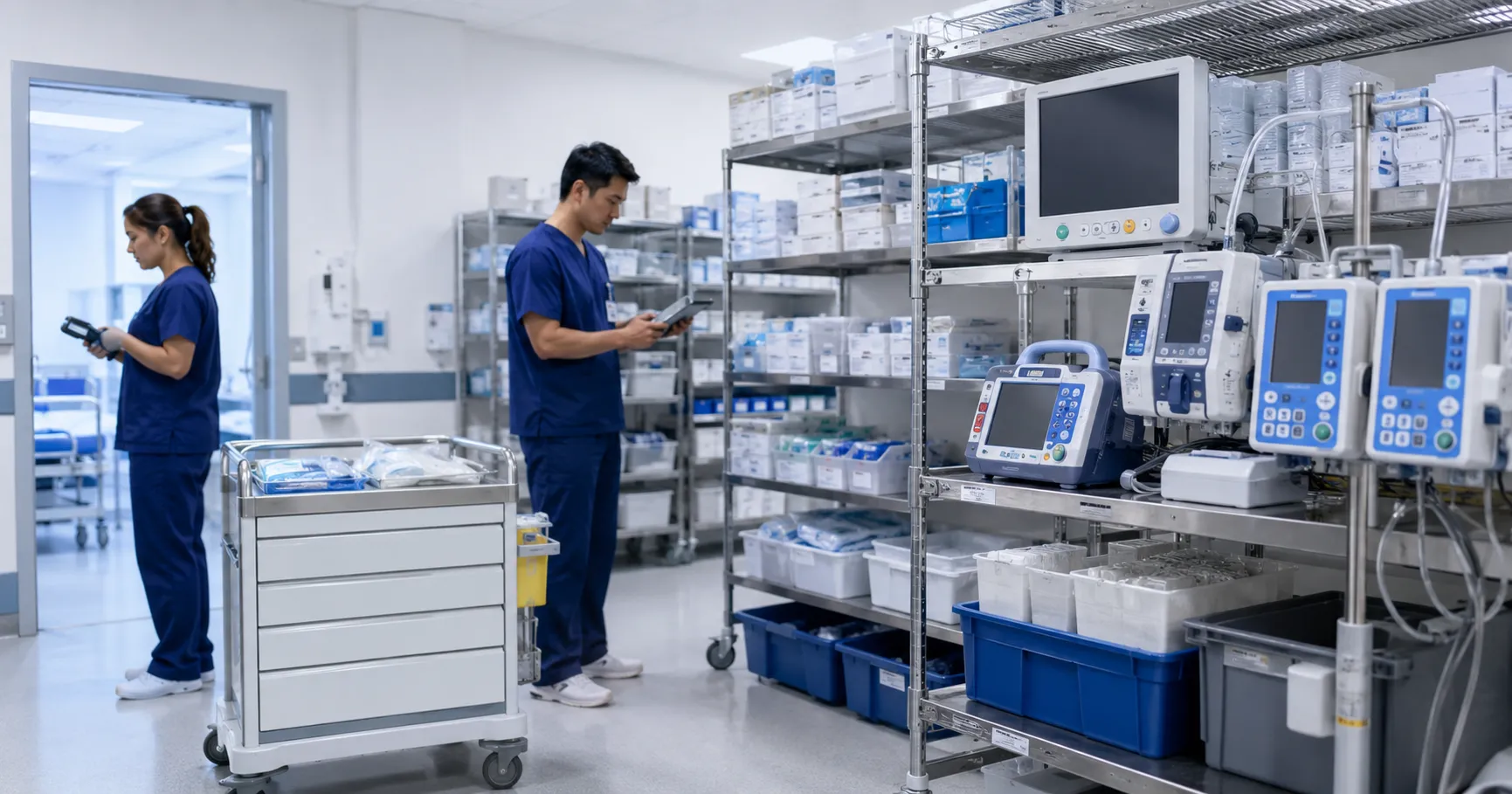
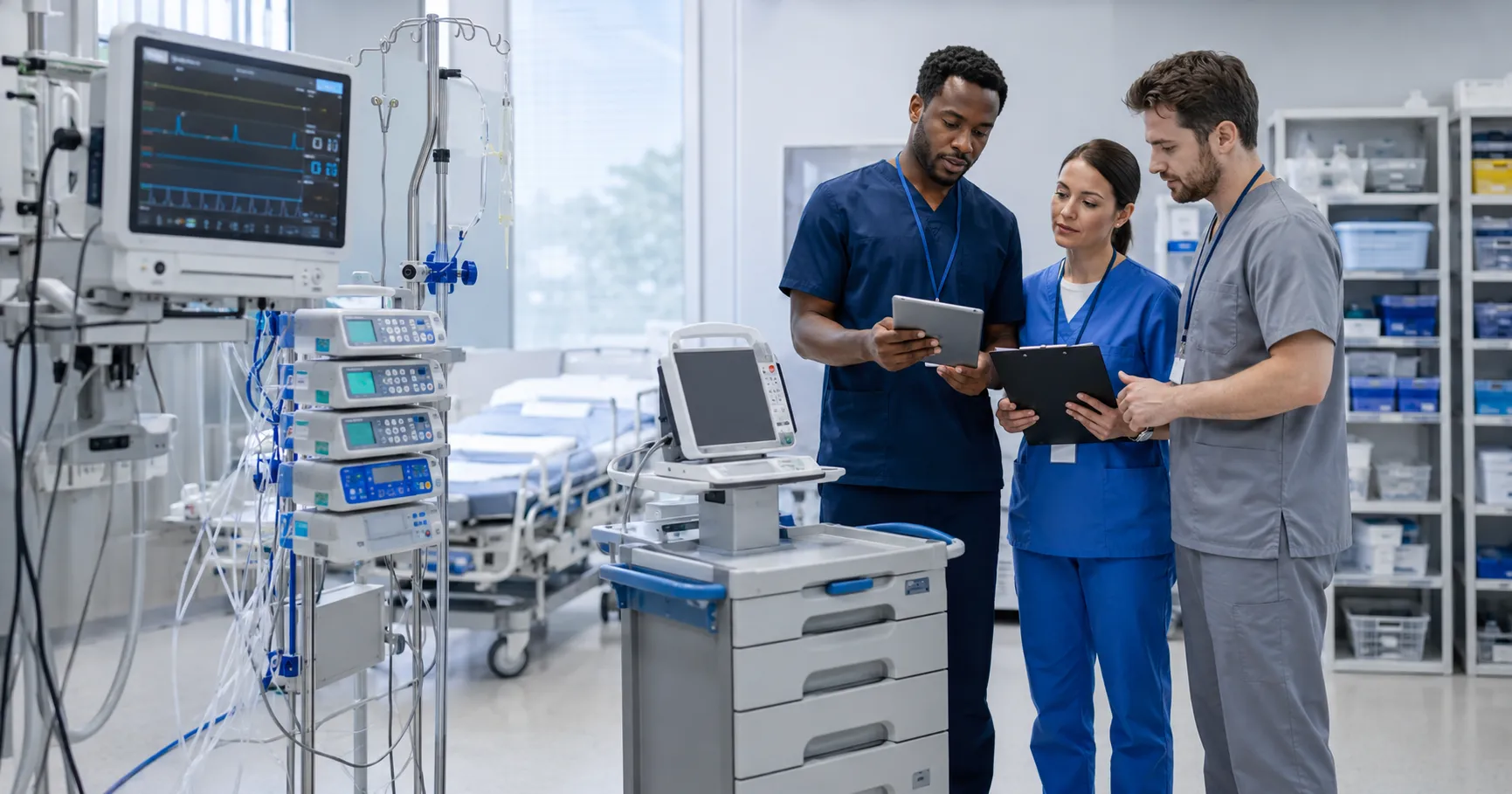
 In hospitals and emergency care settings, rapid-response equipment must remain organised, accessible, and immediately operational. During cardiac arrest, respiratory emergencies, trauma events, or sudden patient deterioration, healthcare teams rely heavily on crash carts to deliver life-saving tools and medications without delay. These mobile emergency stations are strategically positioned throughout hospitals to support faster intervention during critical situations.
Modern crash carts are designed not only for storage but also for workflow efficiency, mobility, infection control, and equipment integration. Hospitals increasingly evaluate crash cart organisation and equipment readiness as part of broader emergency preparedness planning.
Healthcare organisations that are strengthening emergency response infrastructure often coordinate procurement planning through the Medigear Healthcare Buyers Network when evaluating crash carts and critical care equipment systems.
Defibrillators Are One of the Most Important Crash Cart Components
Cardiac emergencies require immediate intervention capabilities.
Rapid Cardiac Rhythm Support – Defibrillators help restore a stable heart rhythm during life-threatening arrhythmias and sudden cardiac arrest.
Integrated Monitoring Features – Many modern systems include ECG monitoring, pacing support, and event recording functions.
Portable Emergency Accessibility – Crash carts position defibrillators near patient care areas to enable faster response during emergencies.
Hospitals that are strengthening cardiac emergency readiness often review the broader infrastructure discussions in Understanding Biphasic Defibrillators, as advanced defibrillation technology remains central to emergency care planning.
Airway Management Tools Support Respiratory Emergencies
Airway stabilisation equipment is essential during critical response situations.
Bag-Valve Masks for Emergency Ventilation – Manual resuscitation bags support temporary breathing assistance during respiratory failure or cardiac arrest.
Intubation Equipment for Airway Access – Crash carts commonly include laryngoscopes, endotracheal tubes, and airway accessories for emergency airway management.
Portable Suction Devices – Suction systems help remove secretions and maintain clear airways during emergency intervention.
Respiratory support planning often overlaps with broader critical care infrastructure development, and many hospitals reviewing airway management systems also explore operational guidance, such as The Role of Suction Machines in Critical Care, to strengthen emergency preparedness.
Emergency Medications Are Organised for Fast Access
Crash carts contain carefully arranged medication drawers designed for rapid response.
Cardiac Emergency Drugs – Hospitals stock medications used during cardiac emergencies and advanced life support procedures.
Respiratory Support Medications – Emergency respiratory management may require medications to stabilise the airway and support breathing.
Critical Care Access Supplies – IV access tools, syringes, and infusion accessories are commonly organised inside crash cart compartments.
Medication organisation is designed to reduce delays and improve accessibility during high-pressure emergencies.
Monitoring Equipment Helps Guide Emergency Response
Patient monitoring remains essential during critical intervention.
Portable Vital Sign Monitoring – Crash carts may include monitoring tools for heart rate, oxygen saturation, and blood pressure assessment.
Cardiac Rhythm Observation – Continuous rhythm monitoring supports emergency treatment decisions during resuscitation efforts.
Integrated Alarm Capabilities – Monitoring alerts help healthcare teams recognise rapid patient deterioration.
Healthcare suppliers supporting emergency care equipment distribution frequently collaborate through Medigear Medical Supplier Solutions to improve access to emergency monitoring and response technologies.
IV and Infusion Supplies Support Rapid Treatment Delivery
Emergencies often require immediate fluid or medication administration.
IV Catheters and Tubing – Crash carts include supplies for establishing rapid intravenous access.
Infusion Support Equipment – Syringes, connectors, and medication-delivery tools support emergency treatment workflows.
Fluid Administration Readiness – Organised storage helps healthcare teams respond more quickly during trauma and cardiac emergencies.
Reliable medication delivery systems remain closely connected with emergency response infrastructure planning.
Mobility and Accessibility Are Major Crash Cart Design Priorities
Crash carts must move quickly across busy healthcare environments.
Locking Wheel Systems – Stable mobility allows healthcare teams to reposition crash carts rapidly during emergencies.
Compact Department-Friendly Layouts – Modern crash carts are designed for easier movement through ICU rooms, hallways, and emergency departments.
Drawer Organisation Efficiency – Clearly labelled compartments improve speed and reduce confusion in critical response situations.
Portable emergency equipment continues to become increasingly important in healthcare workflow planning.
Infection Control Features Have Become More Important
Hospitals increasingly prioritise hygiene management in the design of emergency equipment.
Easy-to-Clean Exterior Surfaces – Smooth surfaces improve the efficiency of cleaning and disinfection between emergency use events.
Sealed Storage Compartments – Organised, enclosed storage helps protect emergency supplies from contamination.
Disposable Component Integration – Many crash cart supplies are designed for single-patient use to support infection control protocols.
Healthcare facilities that strengthen equipment maintenance programs often review the operational guidance in Essential Maintenance Tips for Imaging Equipment because preventive inspection and servicing practices apply broadly across healthcare technologies.
Digital Integration Is Influencing Modern Crash Cart Systems
Healthcare infrastructure continues to become more connected.
Inventory Tracking Technology – Some crash carts include digital inventory systems that automatically monitor supply availability.
Integrated Emergency Documentation – Connected systems help support electronic emergency event recording and workflow management.
Smart Maintenance Notifications – Automated alerts may help staff identify expired medications or equipment requiring inspection.
Healthcare organisations modernising digital hospital infrastructure often explore broader healthcare technology topics in Modern Patient Monitoring Systems Explained, as integrated healthcare systems increasingly influence emergency operations.
Maintenance and Readiness Checks Are Essential
Crash carts must remain fully prepared for immediate use at all times.
Routine Inventory Verification – Staff regularly inspect medication expiration dates and equipment availability.
Battery and Equipment Testing – Defibrillators, suction systems, and monitoring tools require scheduled operational checks.
Seal and Security Inspection – Tamper-evident locking systems help maintain organised emergency readiness.
Healthcare technology providers that introduce emergency response systems to hospitals frequently use the Medigear Healthcare Advertising Platform to improve visibility among procurement teams and healthcare administrators.
What Hospitals Should Consider Before Purchasing Crash Carts
Healthcare procurement teams evaluate several operational factors before selecting crash cart systems.
Department-Specific Workflow Needs – ICU, emergency department, pediatric, and surgical areas may require different crash cart configurations.
Storage Capacity and Organisation – Efficient compartment design improves emergency accessibility.
Mobility and Durability Requirements – Crash carts should remain stable, manoeuvrable, and durable during constant hospital use.
Long-Term Maintenance Support – Reliable servicing and availability of replacement parts remain important for operational continuity.
Healthcare organisations planning long-term emergency preparedness strategies often engage with Medigear Strategic Healthcare Partnerships for collaborative healthcare infrastructure planning and operational coordination.
For crash cart procurement support, emergency equipment planning, or guidance on critical care infrastructure, healthcare providers can contact Medigear Contact Services for additional assistance.
Disclaimer
Medigear.uk is a medical equipment supplier and distributor. We do not provide medical advice, diagnosis, or treatment recommendations. All information is for educational and product awareness purposes only. Qualified medical professionals should always make healthcare decisions.