Healthcare facilities increasingly rely on connected technologies to improve patient monitoring, clinical workflows, and operational efficiency. For buyers' services, selecting devices that securely exchange clinical data has become as important as evaluating traditional performance specifications.
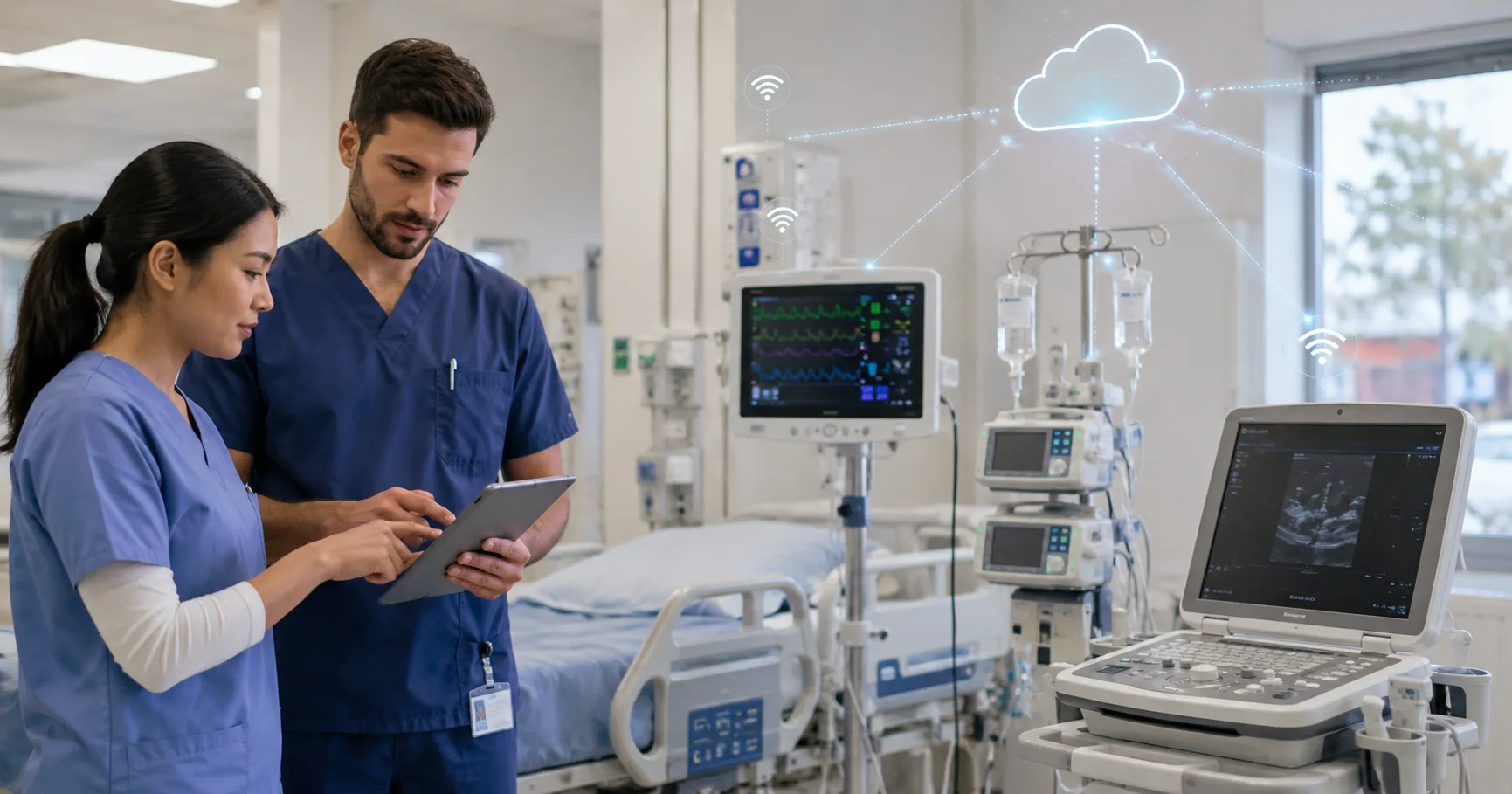
Cloud-connected medical devices combine medical hardware with secure networking and cloud computing platforms. Rather than storing patient information solely on the device, they transmit data to secure cloud environments where clinicians, biomedical engineers, and authorised healthcare teams can access it from multiple locations.
Experienced clinical supply managers often find that cloud connectivity influences purchasing decisions beyond the initial equipment cost. Integration capabilities, cybersecurity measures, software updates, and long-term support can significantly affect the total ownership experience.
What Makes a Medical Device Cloud-Connected?
A cloud-connected medical device collects, processes, and securely transfers healthcare data through internet-enabled communication systems to remote servers or cloud platforms.
Unlike standalone Equipment, these systems can share information across healthcare networks.
Real-Time Data Exchange — Connected devices continuously transmit patient measurements, operational status, or diagnostic results. Intensive care ventilators, infusion pumps, and patient monitors often benefit from this capability.
Remote Clinical Access — Healthcare professionals may review patient information from authorised locations in accordance with applicable local regulatory standards. This supports timely decision-making in both hospital and community care settings.
Automatic Software Updates — Manufacturers can deploy approved firmware and software improvements without extensive on-site intervention. Procurement teams should verify update policies before purchase.
Integrated Healthcare Ecosystems — Modern cloud-connected devices increasingly communicate with electronic health records, laboratory information systems, and hospital management platforms.
One aspect that surprises first-time buyers is that network compatibility often determines deployment success more than individual device specifications.
Where Cloud-Connected Medical Devices Deliver Practical Value
Cloud-enabled Equipment supports diverse healthcare environments.
Critical Care Units — Intensive care departments use integrated monitoring systems to track multiple patients simultaneously and generate automated alerts.
Mid-sized and large healthcare facilities that source equipment through business suppliers often prioritise interoperability, as mixed-vendor environments require seamless communication between systems.
Diagnostic Laboratories — Laboratory analysers can automatically upload test results, reducing manual data entry and minimising transcription errors.
Remote Patient Monitoring — Home healthcare providers increasingly use connected blood pressure monitors, ECG devices, glucose monitors, and pulse oximeters.
Mobile Healthcare Services — Community outreach programmes and mobile clinics benefit from cloud-based record synchronisation, particularly in geographically dispersed regions.
Facilities that have deployed these systems at scale tend to report improved data availability across departments.
Which Medical Devices Commonly Use Cloud Connectivity?
Many categories of healthcare equipment now incorporate cloud capabilities.
Patient Monitoring Systems- Continuous monitoring equipment can transmit vital signs to nursing stations and remote dashboards.
Ventilators- Advanced ventilators provide remote diagnostics, maintenance alerts, and performance reporting.
Infusion Pumps- Connected pumps enable centralised monitoring of infusion status and support medication safety initiatives.
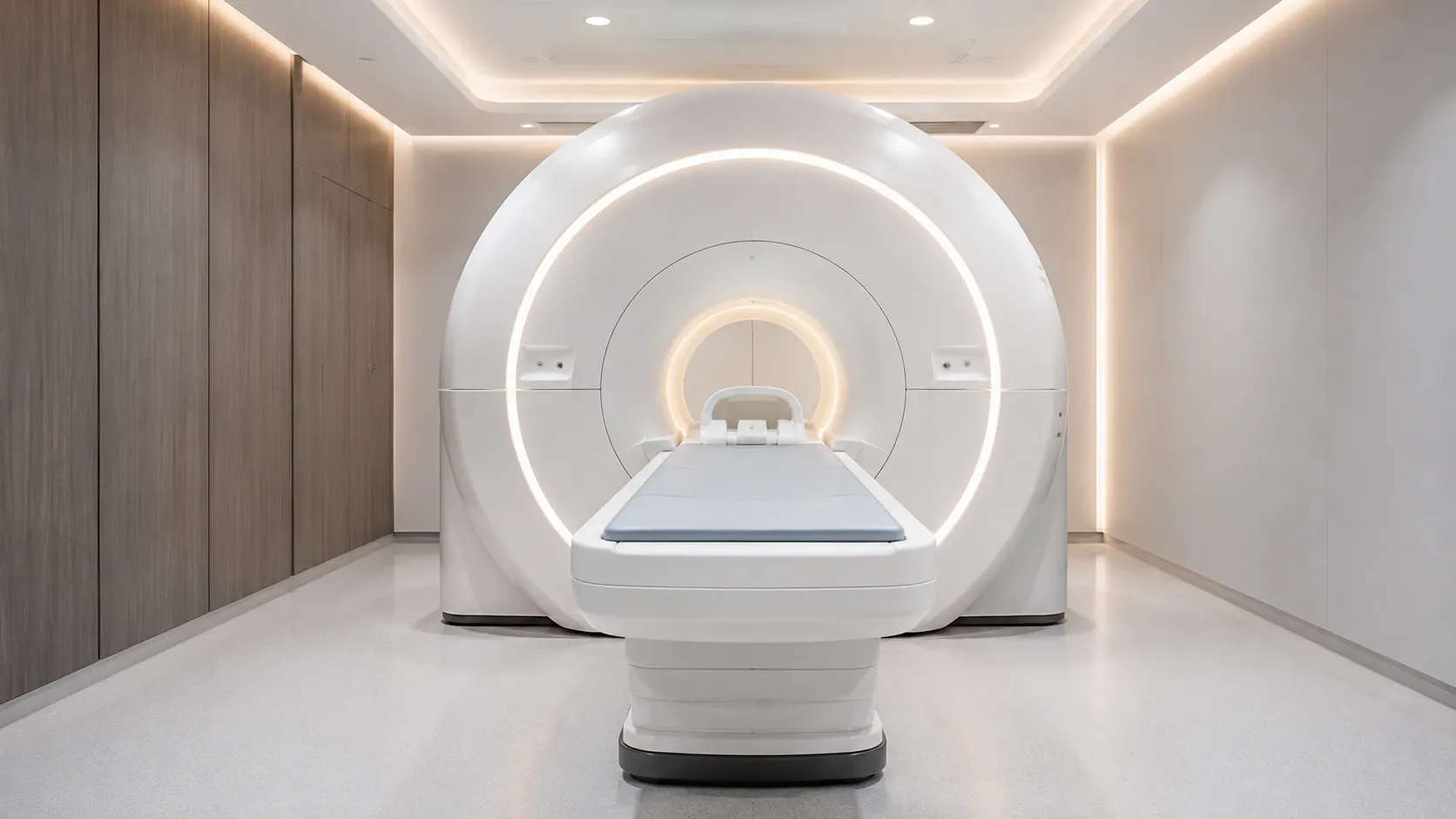
Diagnostic Imaging Equipment- CT, MRI, ultrasound, and digital radiography systems increasingly use cloud storage and image-sharing platforms.
ECG and Holter Monitoring Systems- Cloud platforms enable rapid specialist review and long-term cardiac trend analysis.
Wearable Medical Devices- Portable ECG monitors, glucose sensors, and activity trackers support chronic disease management.
Experienced procurement specialists evaluate whether cloud functionality genuinely improves clinical workflows rather than selecting connectivity for its own sake.
What Healthcare Buyers Should Evaluate Before Purchasing
Cloud-enabled Equipment introduces procurement considerations beyond hardware performance.
Cybersecurity Standards — Devices should incorporate encryption, secure authentication, and protected communication protocols.
business Advertise increasingly recognise that procurement teams request independent cybersecurity documentation alongside clinical validation data.
System Compatibility — Verify integration with existing hospital information systems and electronic records.
Data Ownership Policies — Procurement contracts should clearly define data storage responsibilities and access rights.
Maintenance Support — Cloud platforms require ongoing technical support and software lifecycle management.
Healthcare networks operating across multiple sites often benefit from establishing business partners that simplify software support, training, and equipment standardisation.
Network Requirements — Reliable internet infrastructure remains essential for optimal performance.
Requirements differ considerably across healthcare systems and clinical environments.
Why Cloud Connectivity Improves Healthcare Operations
Cloud technology supports operational improvements beyond direct patient care.
Faster Equipment Monitoring — Biomedical engineering teams can identify maintenance issues before equipment failure affects clinical services.
Centralised Asset Management — Healthcare organisations can track equipment utilisation across multiple facilities.
Reduced Administrative Work — Automatic data transfer reduces manual documentation tasks.
Predictive Maintenance — Some manufacturers analyse equipment performance trends to recommend preventative servicing.
One operational advantage often overlooked involves inventory planning. Connected Equipment can generate usage data that helps procurement departments forecast replacement cycles.
Understanding Security and Privacy Challenges
Cloud connectivity introduces responsibilities alongside opportunities.
Patient Data Protection — Healthcare organisations must comply with applicable local privacy regulations.
Cyber Threat Management — Medical devices require routine security updates and vulnerability monitoring.
Access Control Systems — Multi-factor authentication and user permissions reduce the risk of unauthorised access.
Business Continuity Planning — Facilities should maintain backup procedures during network interruptions.
Trustworthy suppliers acknowledge that no connected system eliminates cyber risks. Effective risk management combines secure technology with organisational policies.
How Artificial Intelligence Works Alongside Cloud Medical Devices
Cloud platforms increasingly support advanced analytics.
Clinical Decision Support — AI tools may identify trends requiring clinical attention.
Population Health Analysis — Healthcare systems can analyse anonymised datasets to inform planning.
Workflow Optimisation — Predictive algorithms help manage patient flow and resource allocation.
Equipment Performance Monitoring — AI systems detect unusual operating patterns that may indicate maintenance requirements.
Healthcare professionals remain responsible for clinical decisions. AI supports human expertise rather than replacing it.
Future Developments Shaping Connected Healthcare Equipment
Several trends continue influencing equipment design.
Expanded Remote Monitoring- Chronic disease management programmes increasingly rely on connected devices.
5G Healthcare Networks- Faster communications may improve real-time data exchange.
Greater Interoperability- Manufacturers continue to develop systems capable of integrating with diverse healthcare infrastructures.
Advanced Predictive Analytics- Cloud platforms may provide increasingly sophisticated operational insights.
Experienced procurement managers typically focus on scalability because healthcare technology requirements often evolve faster than equipment replacement cycles.
Final Thoughts
Cloud-connected medical devices are changing how healthcare organisations collect, manage, and use clinical information. Their value extends beyond patient monitoring to asset management, predictive maintenance, operational planning, and coordinated care delivery. Successful implementation depends on balancing technological capabilities with cybersecurity, interoperability, staff training, and long-term support strategies.
Healthcare procurement teams that evaluate both clinical and operational requirements are better positioned to select connected Equipment that delivers sustainable value across diverse healthcare environments.
Disclaimer
Medigear.uk is a global medical equipment supplier, exporter, and distributor. The content published on this page is intended for educational and informational purposes only. Cloud-connected medical devices, software platforms, cybersecurity requirements, data management practices, and regulatory obligations may vary between manufacturers, healthcare facilities, and jurisdictions. Nothing on this page constitutes medical advice, clinical guidance, cybersecurity advice, legal advice, or regulatory consultation. All healthcare technology procurement, implementation, cybersecurity, data protection, and clinical decisions should be made by qualified healthcare professionals, IT specialists, and compliant procurement teams in accordance with applicable local laws, regulations, and healthcare standards.