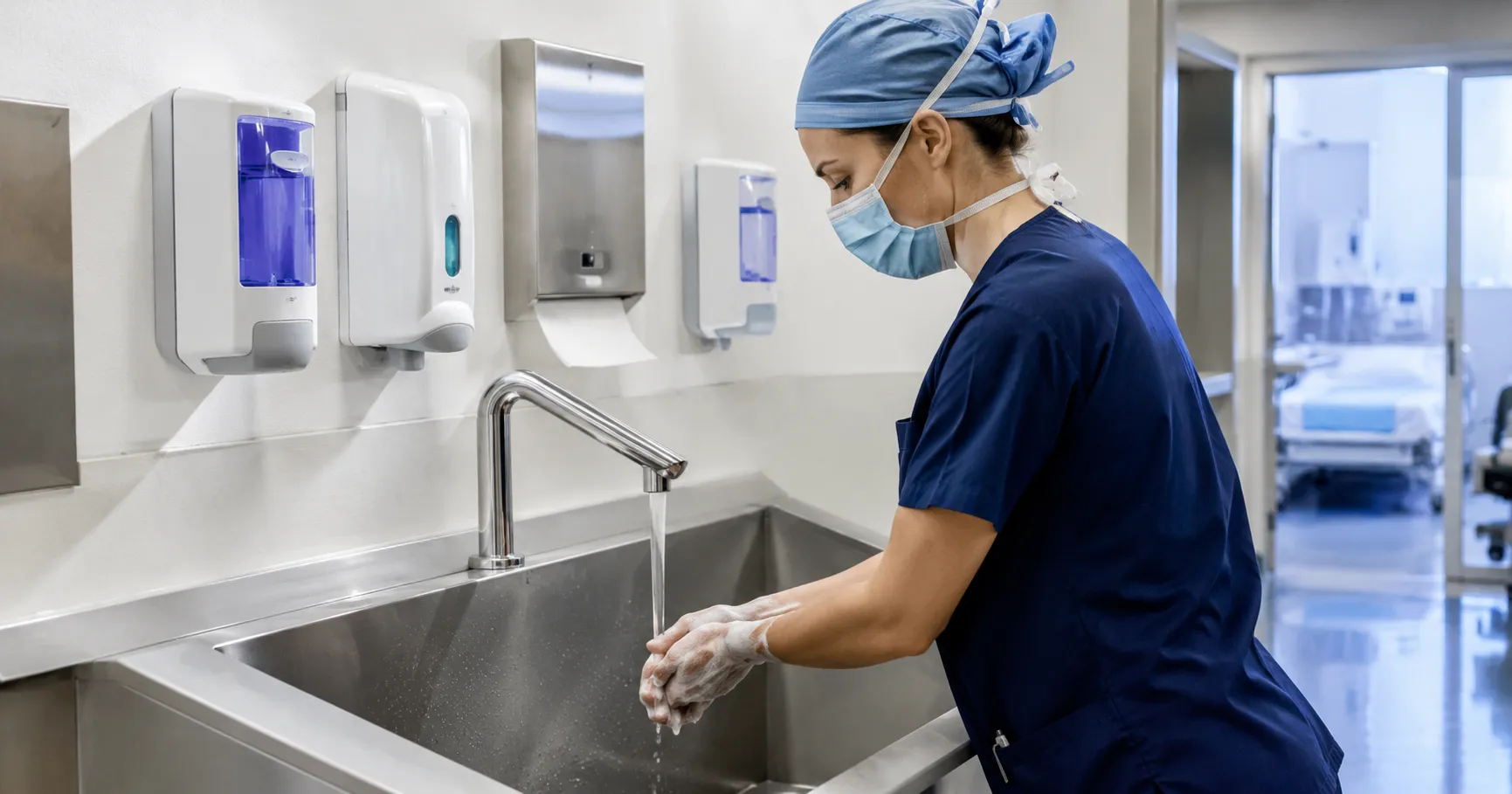
Clinical handwashing stations are an important part of infection prevention in healthcare facilities. They give doctors, nurses, technicians, cleaners, and support staff a dedicated place to wash their hands before and after patient care. In busy hospitals, clinics, laboratories, and treatment rooms, proper hand hygiene reduces the risk of spreading germs between patients, staff, equipment, and surfaces.
For healthcare buyers, choosing the right handwashing station is not just about selecting a sink. It is about placement, material quality, tap control, cleaning access, maintenance, and long-term reliability. A poorly placed or difficult-to-clean station can affect workflow and reduce staff compliance. A well-designed station supports safer care, smoother routines, and better infection control practices.
How Clinical Handwashing Stations Support Safer Care
Clinical handwashing stations are designed for healthcare environments where hygiene must be quick, visible, and easy to repeat. They are commonly used in patient rooms, procedure areas, laboratories, outpatient departments, isolation rooms, and staff preparation areas.
Easy access to hand hygiene — Staff need handwashing points close to care areas. If the station is too far away or blocked by equipment, it may not be used properly during busy clinical routines.
Reduced touch points — Many clinical stations use touch-free, elbow-operated, knee-operated, or foot-operated taps. These controls help reduce hand contact after washing.
Cleaner workflow — A good station supports clean-to-dirty movement. It helps staff wash hands before patient contact, after glove removal, after cleaning tasks, and after touching contaminated surfaces.
Better infection prevention habits — When handwashing stations are clearly visible and easy to use, staff are more likely to follow hygiene routines consistently.
Where These Stations Are Used
Clinical handwashing stations are used in many healthcare settings. Large hospitals may install them in intensive care units, emergency departments, wards, operating support areas, and laboratories. Smaller clinics may use them in consultation rooms, dental areas, minor procedure rooms, and treatment spaces.
In patient care areas, stations should be positioned so staff can reach them without disrupting the workflow. In procedure rooms, they should support preparation and post-care cleaning. Laboratories need durable stations that can handle frequent use and regular cleaning.
Facilities sourcing through regulated and certified equipment suppliers worldwide should check whether the product is suitable for the intended care area. A handwashing station for a basic consultation room may not need the same design as one used in a procedure or isolation area.
Important Design and Specification Points
Clinical handwashing stations should be selected with practical use in mind. The design must support hygiene, cleaning, and maintenance.
Material quality — Stainless steel and healthcare-grade solid surfaces are common choices. They are strong, smooth, and easier to clean. The surface should resist water damage and regular cleaning chemicals.
Tap control type — Touch-free taps reduce hand contact, but they need reliable sensors and power. Mechanical hands-free options, such as elbow, knee, or foot controls, may be easier to maintain in some facilities.
Basin and splash control — The basin should be deep enough to reduce splashing. Poor splash control causes water to spread onto walls, counters, supplies, or nearby surfaces.
Dispenser placements, sanitiser, towel, and waste points should be arranged properly. If these items are placed too far apart, staff may touch extra surfaces after washing.
Cleaning access — Corners, seams, wall joints, and tap areas should be easy to clean. Hidden gaps can collect moisture and dirt over time.
Procurement Guidance for Healthcare Buyers
The purchase of clinical handwashing stations should consider more than just product appearance. Buyers should review the full cost and the long-term service needs.
Total cost of ownership — The final cost includes the station, taps, dispensers, installation, plumbing work, spare parts, maintenance, and consumables. A cheaper product may become costly if parts are hard to find.
Compliance and documentation — Buyers should request product specifications, installation details, material information, cleaning instructions, warranty terms, and conformity documents. Compliance should always be checked against applicable local regulatory standards or standards such as CE, FDA, or their regional equivalents.
Supplier comparison — Suppliers and manufacturers advertising to global healthcare buyers should provide clear product details, not only images. Buyers need exact information about material, size, tap type, mounting method, and after-sales support.
Training and maintenance planning — Staff should know how to use the station, how to report faults, and who is responsible for refilling supplies. Cleaning teams should also receive guidance on approved cleaning methods.
Healthcare groups managing multiple facilities may benefit from structured distribution and reseller partnerships. Standardising. Standardising product models can make installation, spare parts, and maintenance easier across multiple locations.
Maintenance and Service Life
Clinical handwashing stations need regular inspection. Staff should check water flow, drainage, tap function, dispenser condition, seals, and wall joints. High-use areas such as emergency rooms, intensive care units, and laboratories may need more frequent checks.
Cleaning materials must be suitable for the station surface. Harsh chemicals can damage some finishes, seals, or sensor parts. Buyers should ask the supplier for cleaning instructions before purchase.
Spare parts are also important. Tap cartridges, sensors, batteries, seals, dispensers, and strainers may need to be replaced during the product’s life. In regions where local service support is limited, spare part availability can strongly affect long-term cost.
International Sourcing Considerations
Clinical handwashing stations can be sourced internationally when specifications are clear. Buyers should confirm product dimensions, materials, tap type, packaging, export documents, lead times, warranty terms, and spare part support before ordering.
New units are usually easier to validate for healthcare use because documentation, warranty, and installation guidance are clearer. Refurbished units may be suitable for some low-risk areas, but they should be carefully inspected for surface damage, missing parts, and seal condition.
For project-based sourcing, buyers can contact the Medigear.uk team for supply support to discuss product availability, documentation, export needs, and procurement requirements.
Final Thoughts
Clinical handwashing stations are small but important parts of infection prevention infrastructure. They help staff follow hand hygiene routines more easily and support cleaner clinical workflows.
The right station should be easy to access and clean, durable, and suitable for the facility’s care setting. Buyers should review placement, material, tap controls, maintenance needs, compliance documents, and supplier support before making a purchase.
Disclaimer
Medigear.uk is a global medical equipment supplier, exporter, and distributor. The content published on this site is intended for educational and product awareness purposes only. Nothing on this page constitutes medical advice, clinical guidance, or treatment recommendations. All healthcare procurement and clinical decisions should be made by qualified medical professionals and compliant procurement teams operating within the regulatory frameworks of their respective countries.