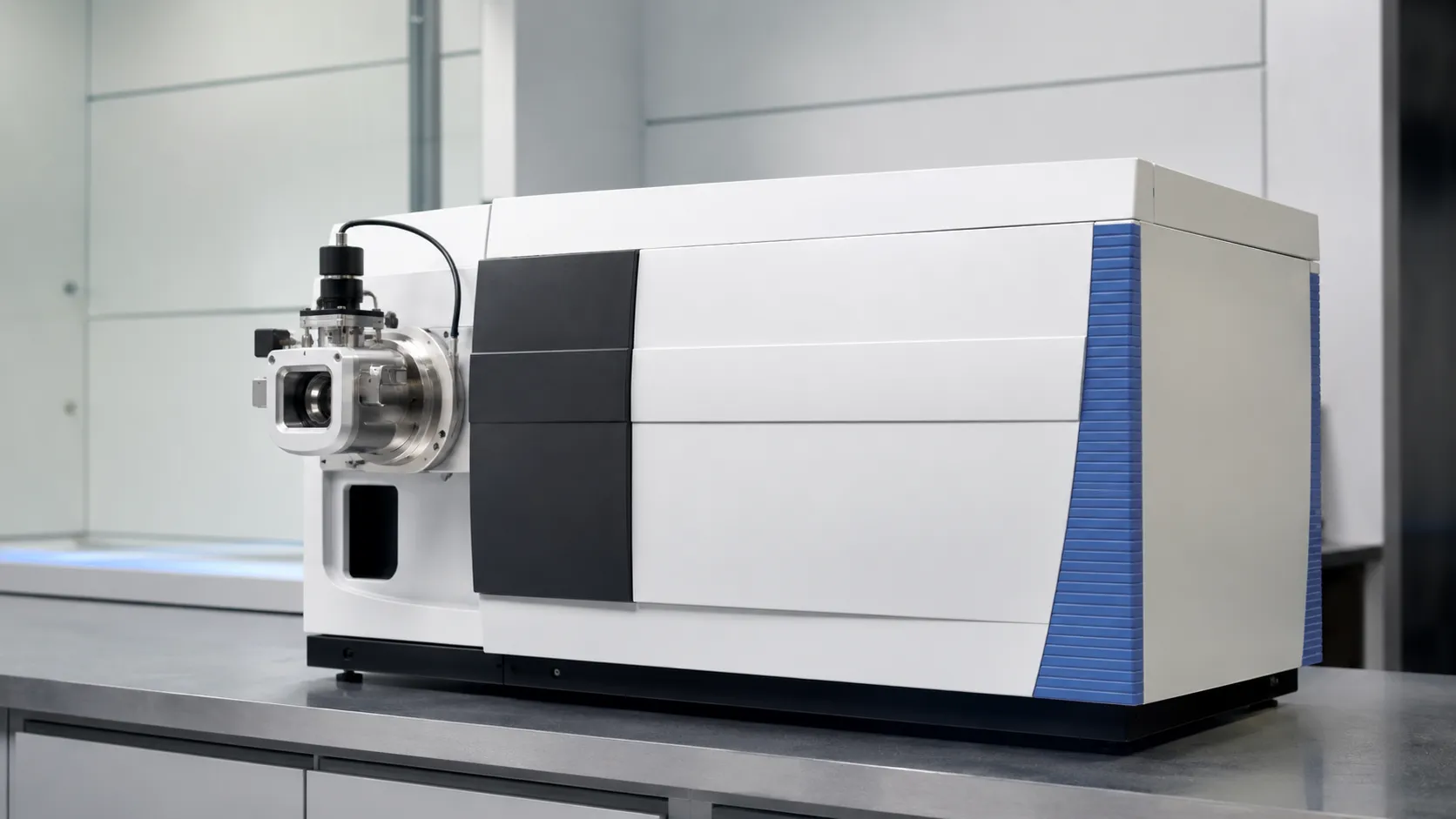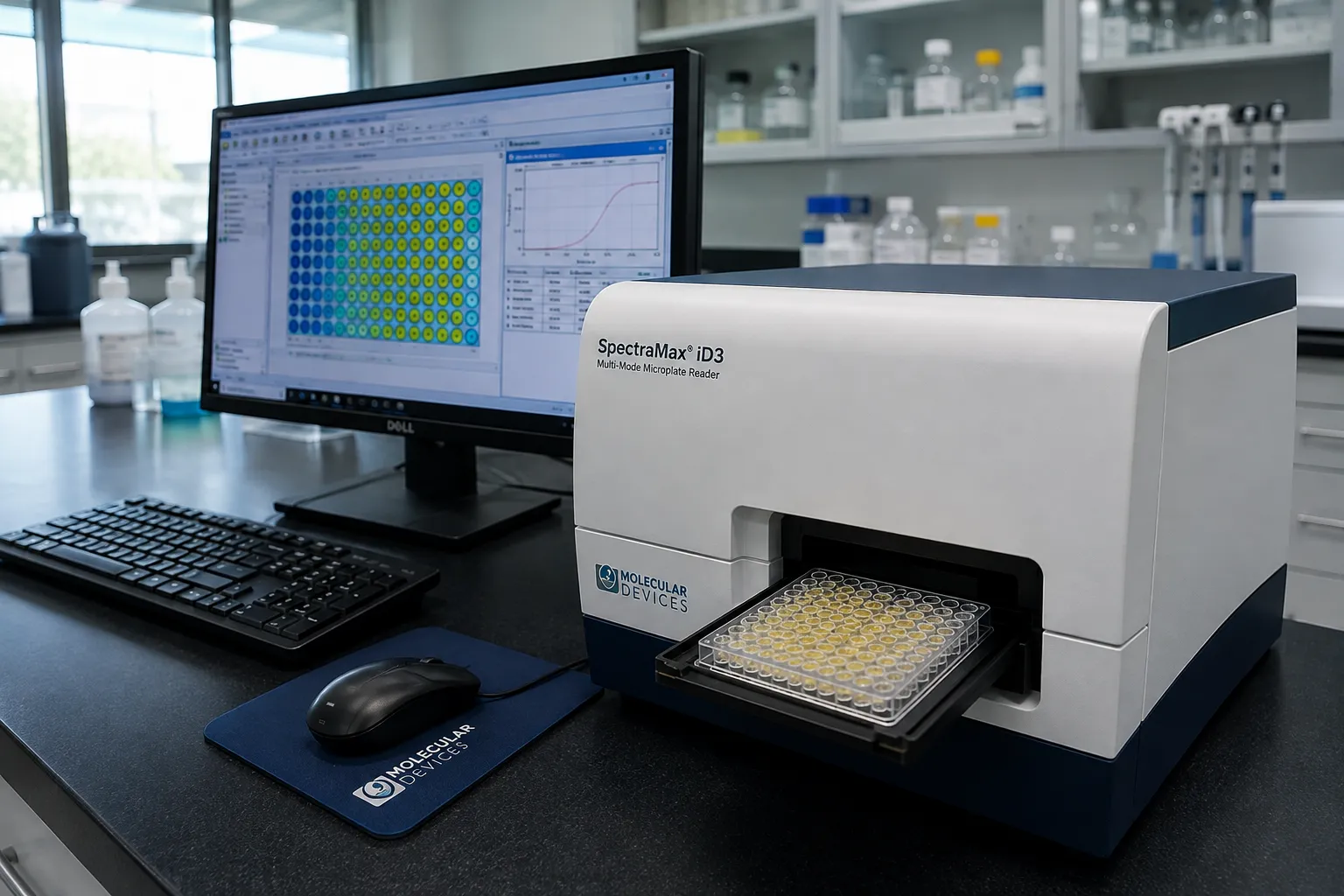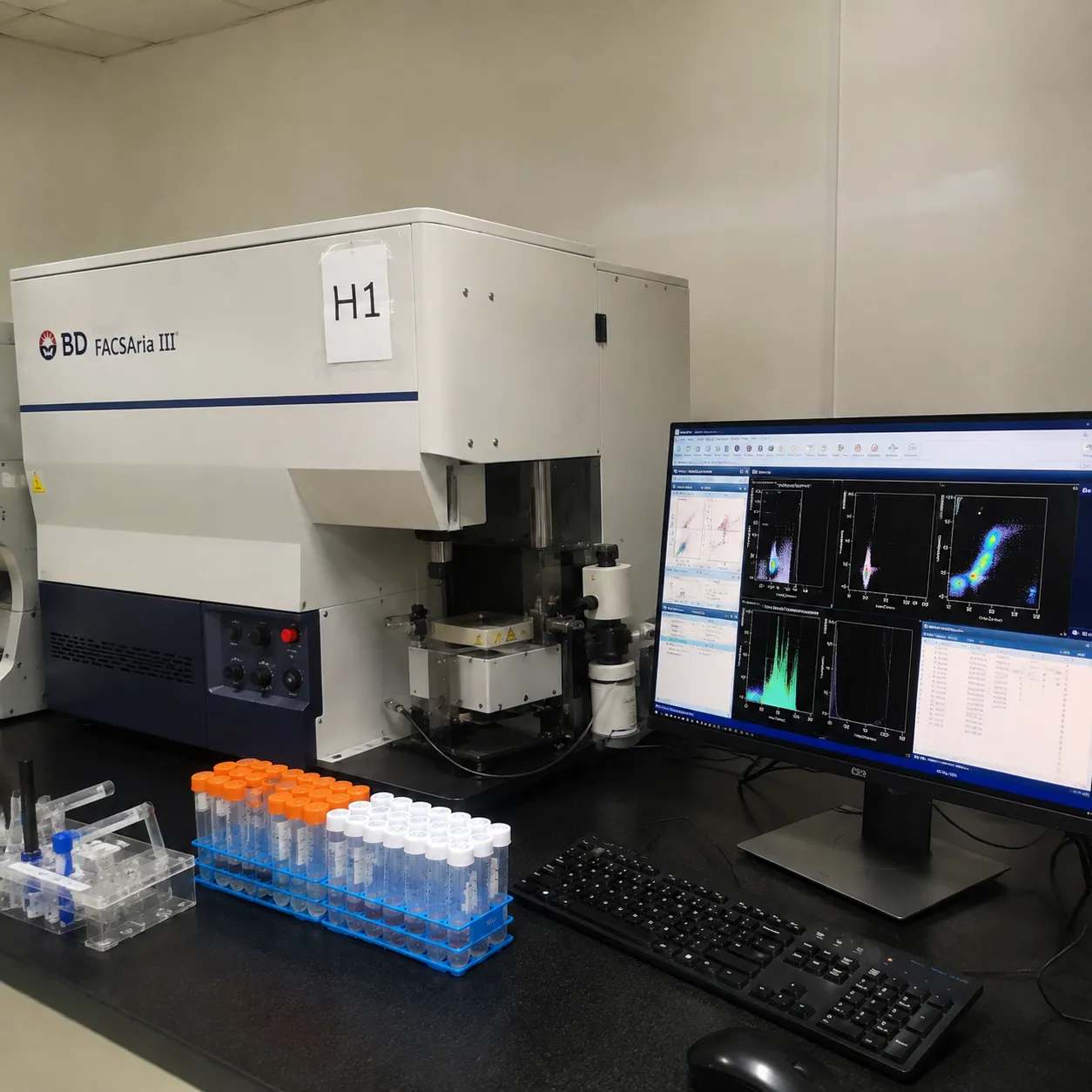
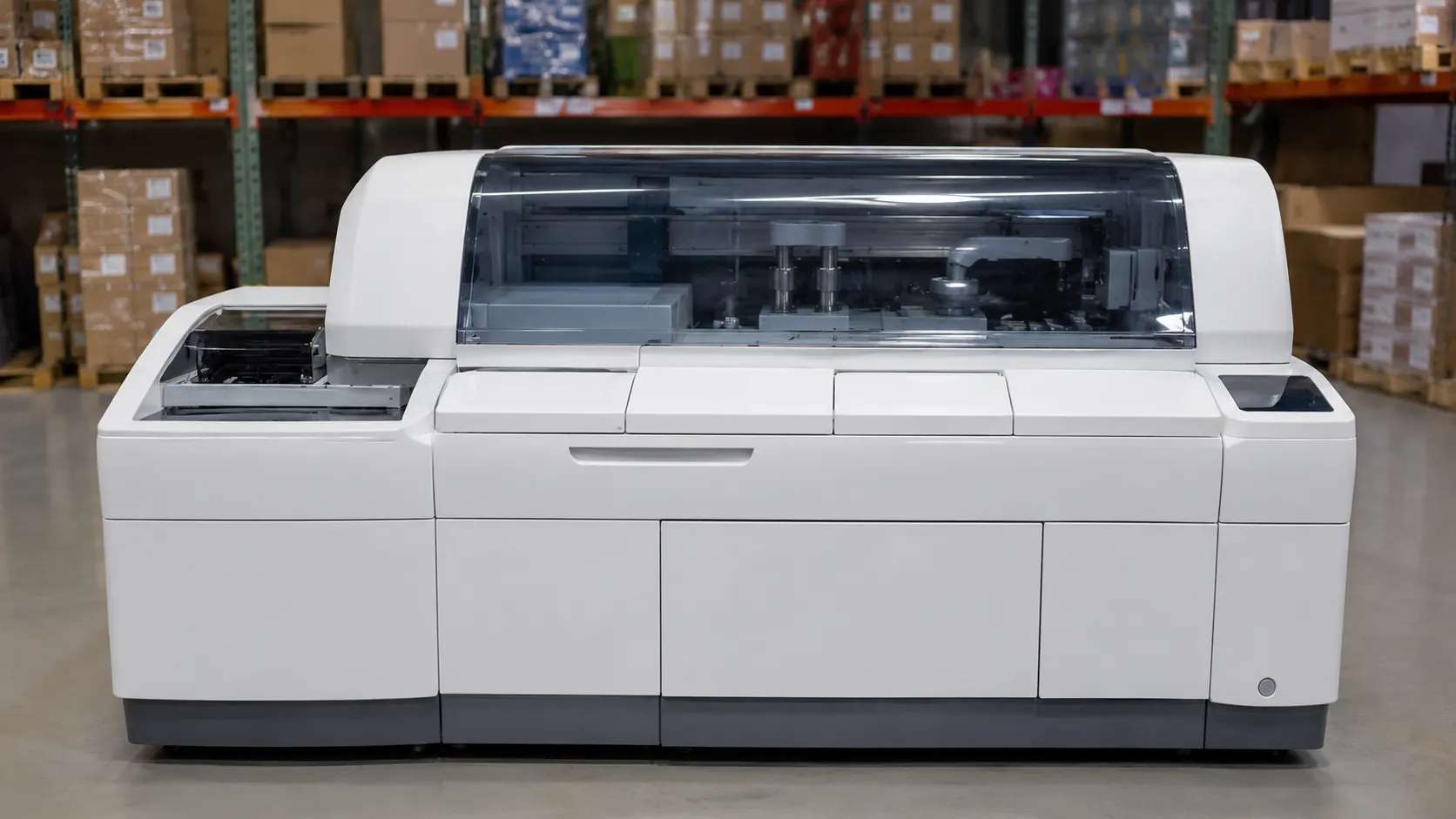
A clinical chemistry analyser is an automated instrument that measures the concentration of chemical constituents in blood serum, plasma, urine and other fluids, producing the biochemistry panels that underpin most diagnostic decisions. It pipettes a measured sample, mixes it with specific reagents, and reads the resulting chemical reaction, reporting analytes such as electrolytes, glucose, urea, creatinine, liver enzymes and lipids across a serum panel in minutes.
This guide is for pathology procurement and biomedical staff specifying chemistry analysers for a biochemistry bench. It explains the photometric and ion-selective measurement principles, what random-access working means for turnaround, the reagent economics that drive ownership cost, and the standards, connectivity and service terms to confirm before buying.
How a Chemistry Analyser Measures Analytes
Most biochemistry tests are photometric. The sample and a reagent are combined in a cuvette, the reaction produces a colour or a change in absorbance, and a spectrophotometer measures how much light of a specific wavelength the mixture absorbs. In an endpoint assay, the final absorbance is proportional to concentration; in a kinetic or rate assay, the analyser tracks the change in absorbance over time, which suits enzyme activity measurements. Careful temperature control and precise optical readings make the results reproducible across a run.
Ion-Selective Electrodes for Electrolytes
Electrolytes such as sodium, potassium and chloride are measured differently, using ion-selective electrodes (ISE). Each electrode carries a membrane selective for one ion and develops a voltage proportional to that ion's activity in the sample, which the analyser converts to concentration. ISE modules run either as direct measurement on undiluted sample or indirect on diluted sample, a distinction that matters when comparing results between platforms. A combined analyser therefore integrates a photometric section and an ISE section so a single serum panel can report enzymes, metabolites and electrolytes together.
Random-Access and Throughput
The defining feature of a modern chemistry analyser is random-access working: any test can be run on any sample at any time, rather than processing one analyte across a batch. The instrument reads the request for each tube, selects the required reagents, and schedules the tests to keep throughput high while still allowing urgent samples to jump the queue with STAT priority. Throughput is quoted as photometric tests per hour, and mid-range analysers commonly run into the hundreds to low thousands per hour depending on tier. As with any analyser, onboard reagent and sample capacity, and how cleanly it handles reruns and reflex tests, shape real productivity more than the headline rate.
Reagents, Calibration and Total Cost of Ownership
Reagents are the heart of the cost model. Chemistry analysers use analyte-specific reagent packs that are usually proprietary and are loaded onboard, often refrigerated, with defined onboard stability once opened. Alongside reagents, you payy for calibrators, multi-level quality-control material, cuvettes or reaction vessels (these are consumabl)e, ISE)electrodes and their conditioning solutions, and water of the required purity. When comparing analysers, model the cost per reportable result across your real test menu and volumes, including calibration frequency and QC, because reagent economics over a five-to-seven-year contract usually outweigh the capital price. Ask about closed versus open reagent systems, since the ability to run third-party or open-channel reagents can change both cost and flexibility.
Standards, Regulation and Quality Control
Accredited UK biochemistry laboratories operate to ISO 15189, with daily internal quality control at multiple concentrations, regular calibration traceable to reference materials, and participation in an external quality assessment scheme. Analysers and their reagents are in-vitro diagnostic medical devices carrying UKCA or CE marking and regulated by the MHRA, and th. The diagnostic regulation (IVDR) affects the classification and availability of assays a laboratory relies on, so confirm the regulatory status of every reagent you plan to run. Keep calibration, QC and maintenance records audit-ready for accreditation assessment.
LIS Connectivity and Automation
Results must flow into the laboratory information system without manual transcription. Confirm bidirectional LIS connectivity so the analyser downloads the test request and uploads validated results, and consider middleware that applies auto-validation rules, delta checks and reflex ordering to release normal results and hold only exceptions for review. Larger laboratories increasingly connect chemistry analysers to track-based total laboratory automation with automated sample sorting, centrifugation and aliquoting; if that is on your roadmap, confirm the analyser can integrate with the track and consolidate onto shared automation. Data handling must meet UK information-governance requirements for patient records.
Use Across Different Laboratory Settings
The right analyser scales with workload. A large acute laboratory usually wants a high-throughput, track-connectable analyser, sometimes consolidated with immunoassay on the same platform. In contrast, a typical general hospital may run a mid-volume random-access analyser as the core biochemistry workhorse. Smaller sites, clinics and out-of-hours settings are better matched to compact benchtop analysers or point-of-care chemistry with a limited but rapid menu. Specify against genuine daily and peak demand, benchspace, water supply and drainage, rather than a headline throughput the site will never use.
Procurement Checklist
-
Confirm UKCA or CE marking, MHRA registration and IVDR status for every reagent and assay.
-
Check the test menu covers your serum panels, including enzymes, metabolites, electrolytes and lipids.
-
Verify random-access working with STAT priority and adequate onboard reagent and sample capacity.
-
Confirm both photometric and ISE measurement suit the analytes you report.
-
Model cost per result including reagents, calibrators, QC, cuvettes, electrodes and water.
-
Establish open versus closed reagent system and any third-party channel options.
-
Confirm bidirectional LIS connectivity, middleware and any track-automation integration.
-
Agree service response times, preventive maintenance, spares and application support.
Service Contracts, Water and Uptime
Biochemistry is a high-volume critical service, so the support agreement is central. Compare response and fix times, whether preventive maintenance and consumable pumps and probes are included, and whether a backup or connected second analyser covers a fault so reporting continues. Many analysers need a reliable supply of purified water to a stated specification, so factor the water system, its maintenance and monitoring into both installation and running cost. Remote diagnostics and prompt access to application scientists for calibration and interference queries protect turnaround, and warranty terms should be weighed against the operational cost of downtime.
Sample Integrity and Interference Indices
Biochemistry results are only trustworthy when the sample is sound, and three common interferences matter most: haemolysis, icterus and lipaemia. Haemolysis releases intracellular contents that falsely raise analytes such as potassium; high bilirubin (icterus) and turbidity from lipids (lipaemia) interfere with photometric readings. Modern analysers measure serum indices, often reported as HIL, that quantify each interference so results can be suppressed or flagged rather than reported wrongly. Correct sample type also matters, since serum and various plasma tubes are not interchangeable for every analyte, and centrifugation and separation must be timed to avoid spurious results. When comparing analysers, check how comprehensively the platform measures and acts on interference indices, and how it handles short samples and clot detection, because automated interference checking protects both patients and turnaround by catching an unreliable result before it leaves the bench.
Conclusion
A clinical chemistry analyser is specified by its test menu, pHetric and ISE accuracy, true random-access throughput, and, above all, the reagent and service economics that dominate ownership. Match the platform to your serum-panel workload and automation plans, confirm it fits ISO 15189 quality control and connects cleanly to your LIS, and compare cost per result rather than capital price. To compare compliant chemistry analysers and consumables or arrange a laboratory quote, contact MediGear or open a buyer account.
Disclaimer
This article is for informational purposes only. MediGear (publmedigear.uk) publishes it for general information and procurement guidance; it is not clinical, diagnostic, treatment, technical, engineering, legal, or regulatory advice, nor a product endorsement, guarantee, or substitute for professional assessment. MediGear does not provide medical consultations. Buyers should consult clinical, biomedical, and regulatory contacts and the manufacturer's documentation, and independently verify all specifications, certifications, compatibility, and suitability before purchase. Specifications, certifications and availability are correct at the time of publication and may change without notice. MediGear is a medical-equipment distributor and does not sell medicines or pharmaceutical products.