
- Tracheal intubation
- Difficult airway management
- Emergency airway procedures
- Anesthesia induction
- Critical care and ICU use
- Medical training and simulation
- Home
- Shop
- ENT, Ophthalmic & Sensory
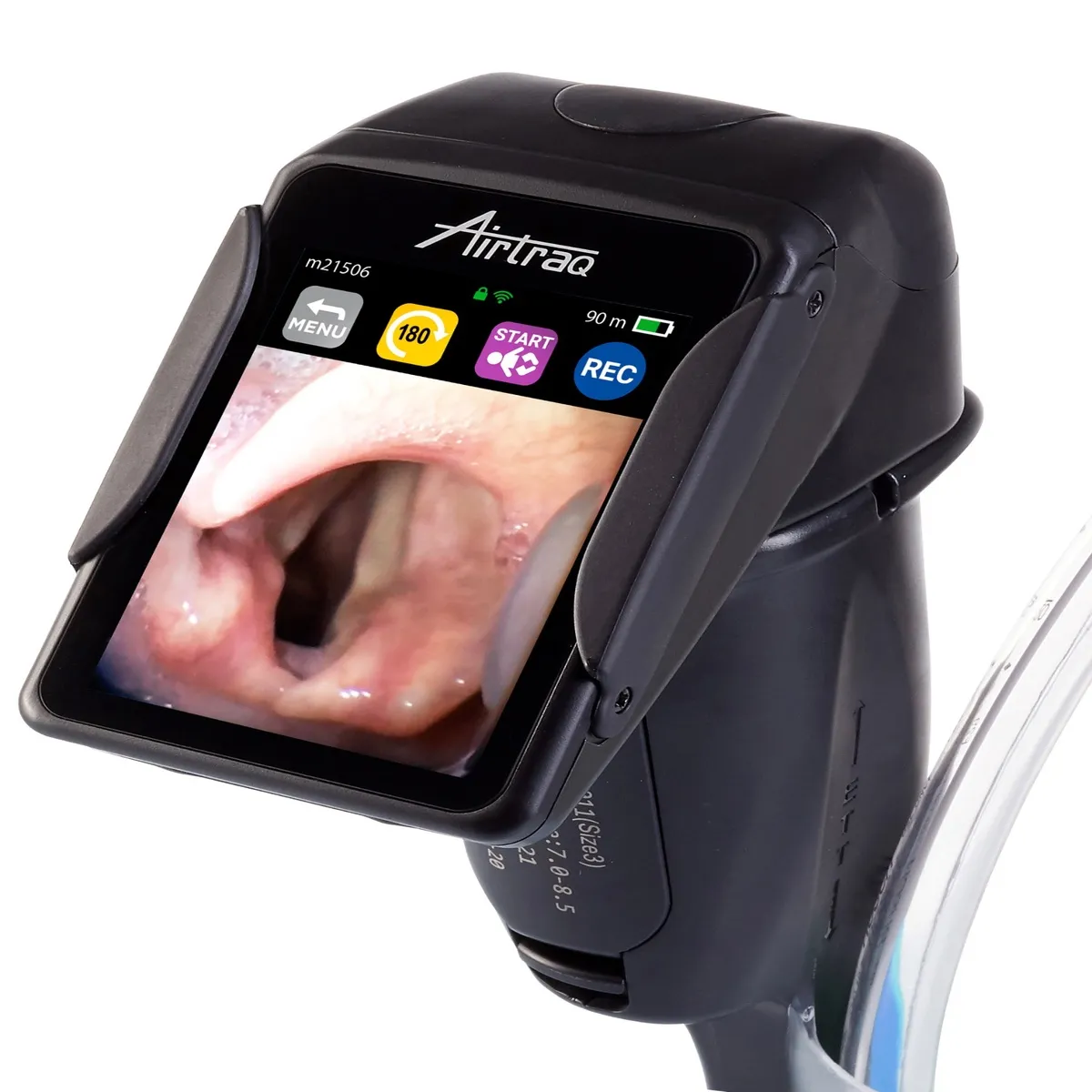
- Vygon Airtraq Avant Video Laryngoscope - Fair Condition
ENT, Ophthalmic & Sensory
Vygon Airtraq Avant Video Laryngoscope - Fair Condition
Product Code: EOAS-ENTD-235
Smarter airway access with video-guided confidence.
The Airtraq Avant Video Laryngoscope is a video-assisted airway management device designed to support safe and efficient tracheal intubation. This unit is available in fair working condition and is suitable for hospitals, emergency units, and training environments.
The Airtraq Avant Video Laryngoscope combines optical guidance with video technology to improve visualization of the vocal cords during intubation. Its specially shaped blade helps align the airway without excessive manipulation, reducing the need for neck movement.
The built-in video capability allows clinicians to view the airway on a screen, supporting better control and accuracy, especially in difficult or emergency intubation scenarios. The Airtraq Avant model is widely used in anesthesia, emergency medicine, and critical care settings.
This pre-owned unit in fair condition remains functional and can be a practical, cost-effective option for facilities that require video laryngoscopy support while managing budget constraints.
Key Features
- Video-assisted laryngoscopy for improved airway view
- Anatomically shaped blade for easier intubation
- Reduces need for head and neck manipulation
- Supports difficult airway management
- Portable and easy to handle
- Suitable for clinical and training use
- Improves visualization of vocal cords
- Enhances first-pass intubation success
- Reduces patient airway trauma risk
- Useful in emergency and critical situations
- More affordable alternative to new video laryngoscopes
1. What is the Airtraq Avant Video Laryngoscope used for?
It is used to assist with tracheal intubation by providing a clear video view of the airway.
2. What does “fair condition” mean?
It means the device is functional but may show visible signs of prior use.
3. Is it suitable for difficult airways?
Yes, it is designed to help manage difficult airway cases.
4. Does it reduce neck movement during intubation?
Yes, its blade design minimizes the need for head and neck alignment.
5. Can it be used in emergency situations?
Yes, it is commonly used in emergency rooms and critical care settings.
6. Is special training required?
Basic airway management and laryngoscopy training is recommended.
7. Can it be used for teaching purposes?
Yes, the video feature makes it useful for training and demonstrations.
8. Who should consider purchasing this device?
Hospitals, emergency units, anesthesia departments, and training centers.