
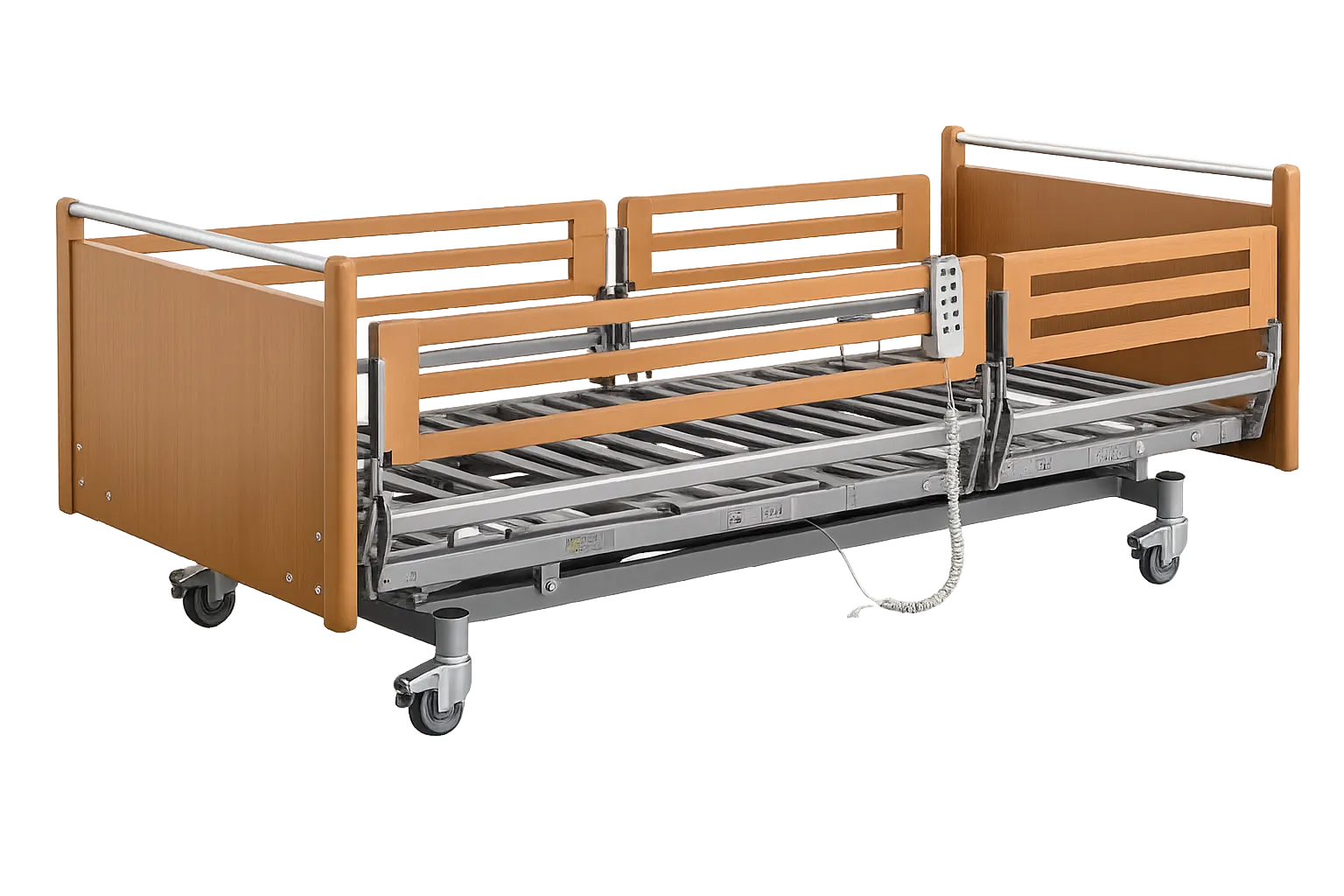
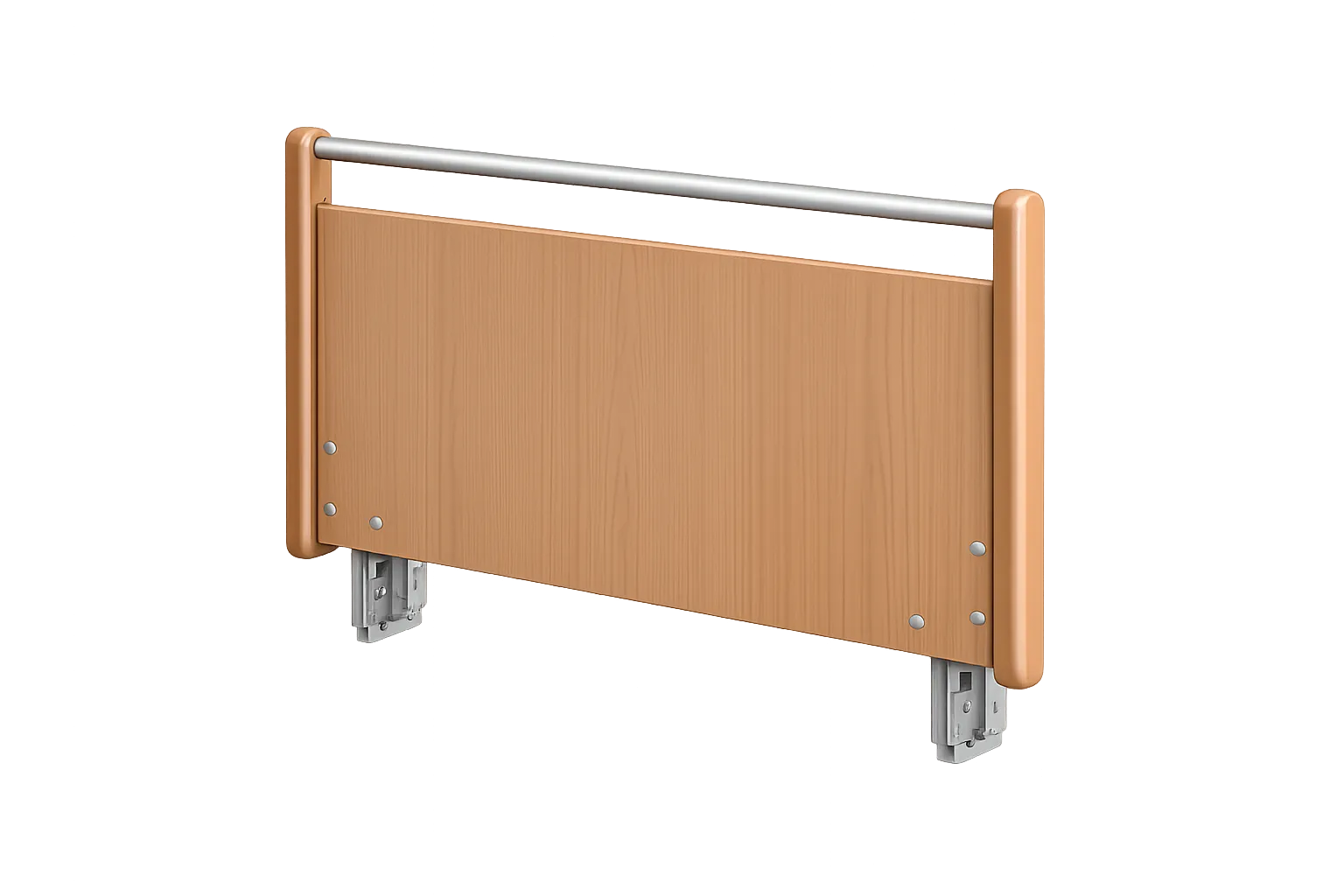
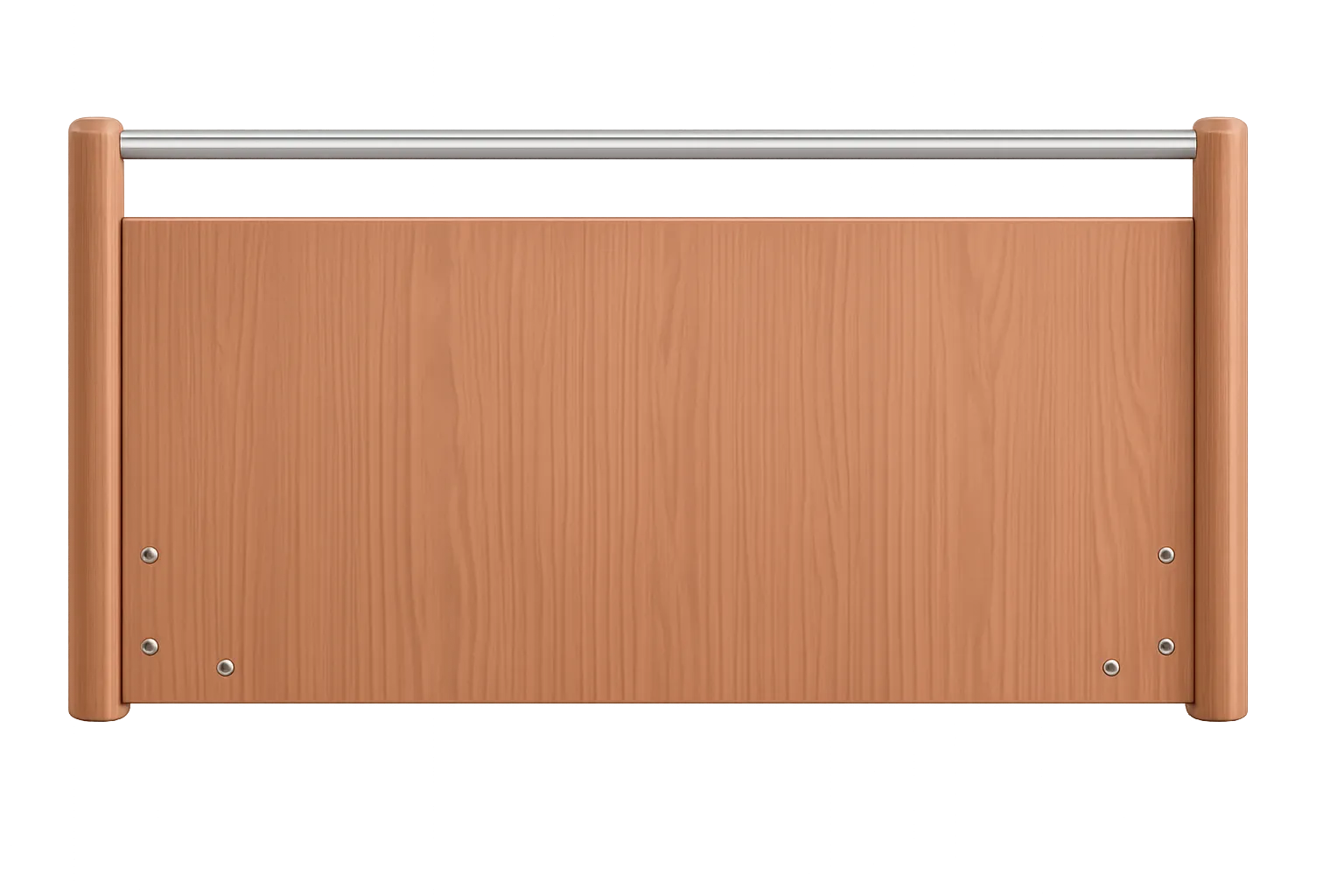
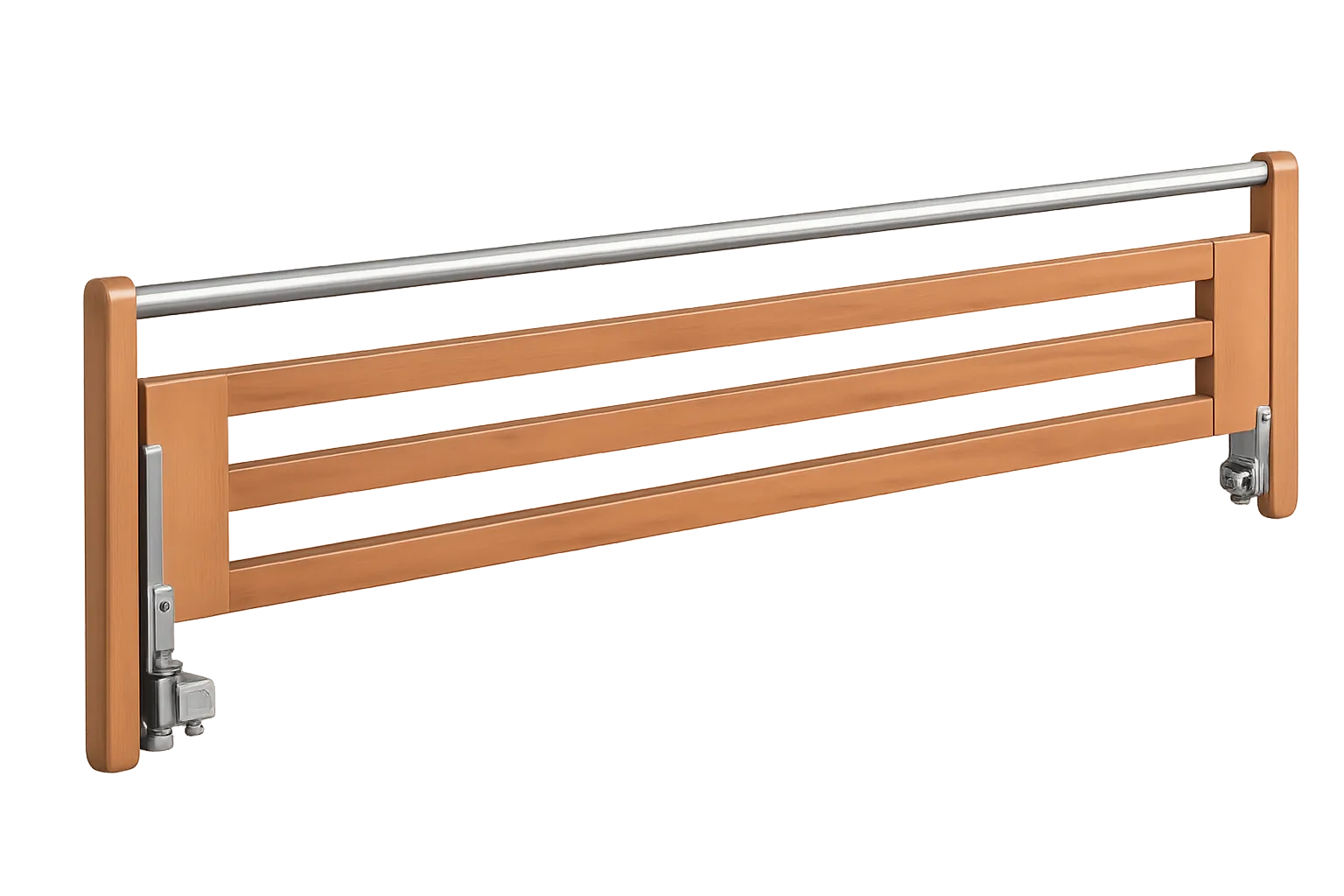
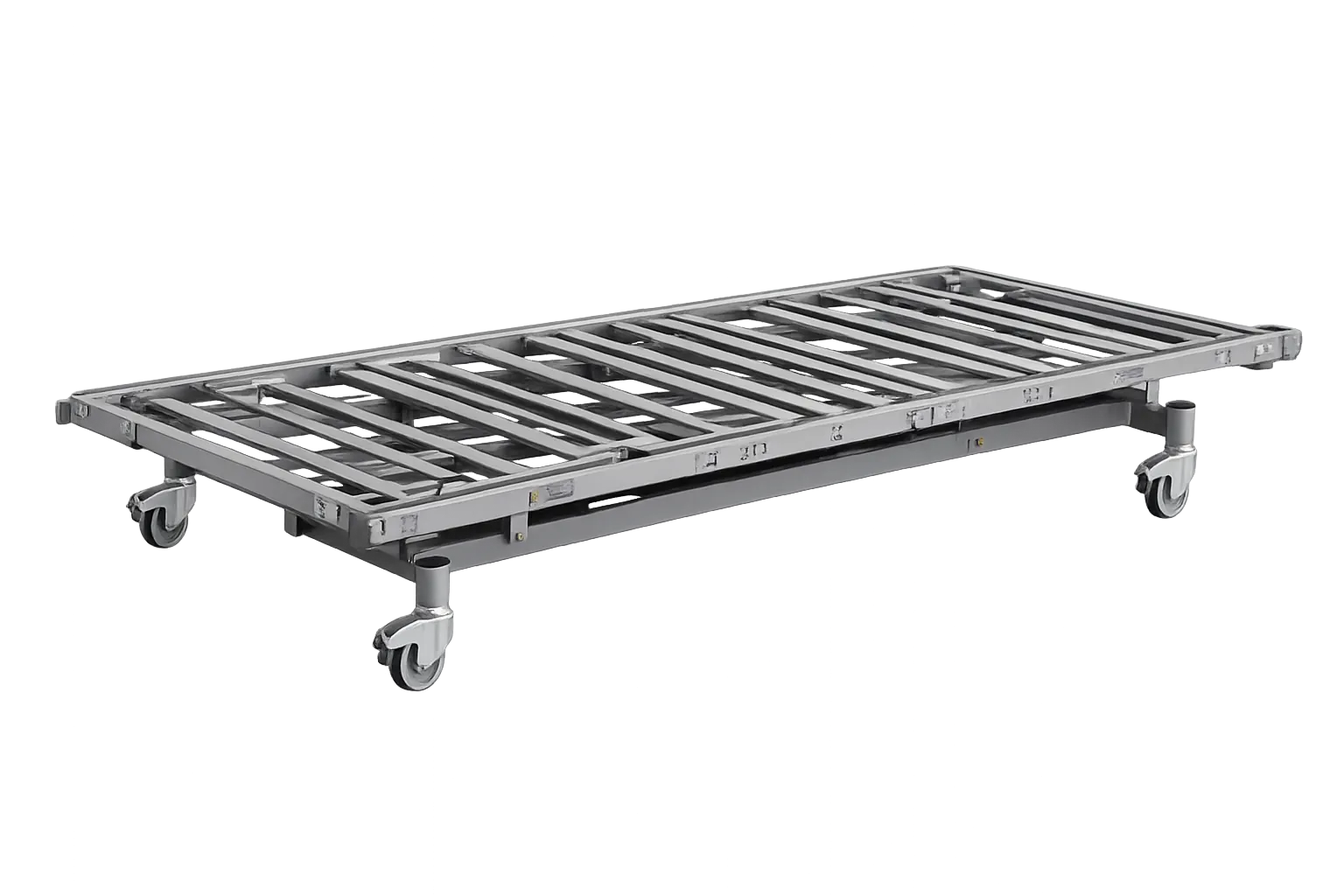
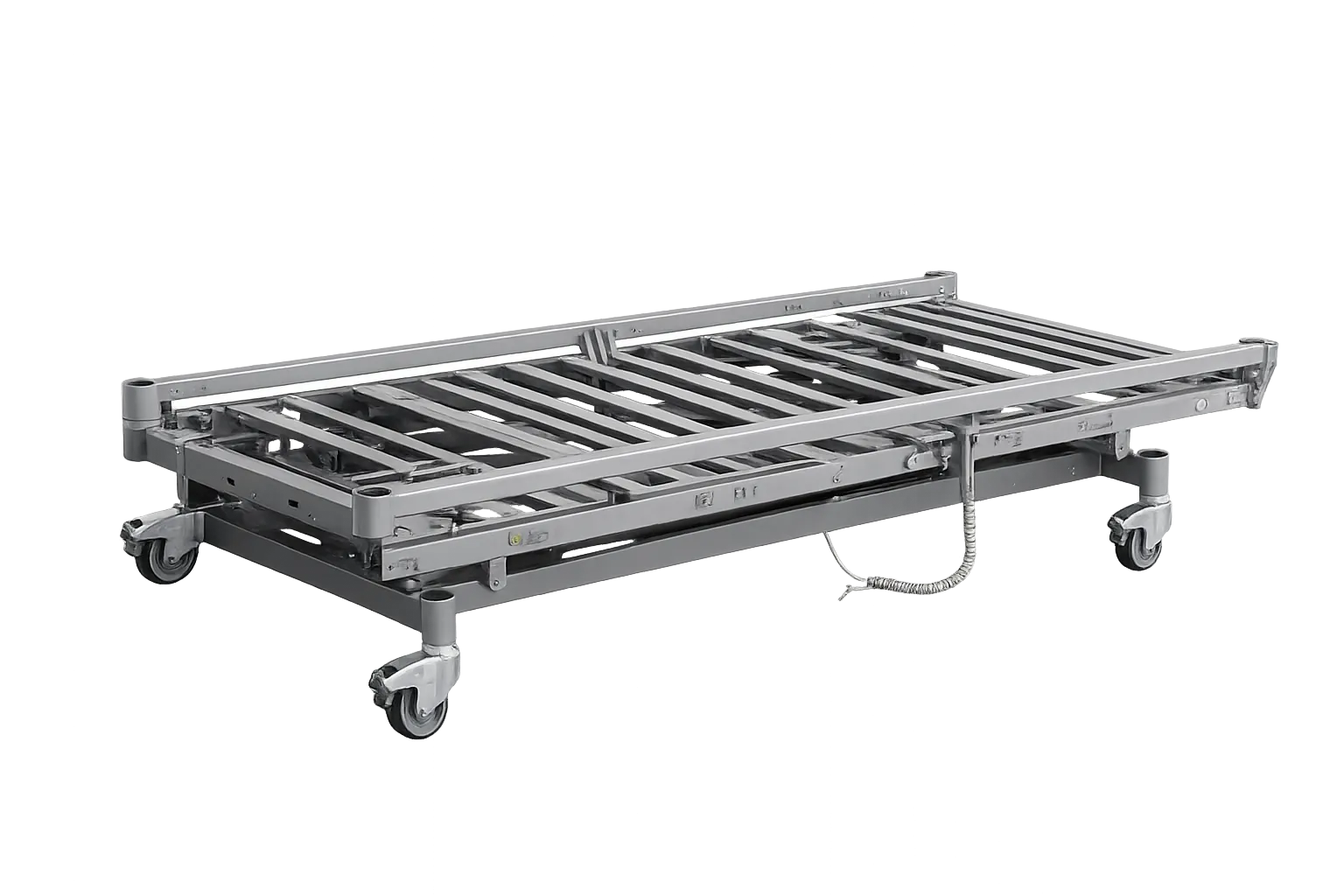
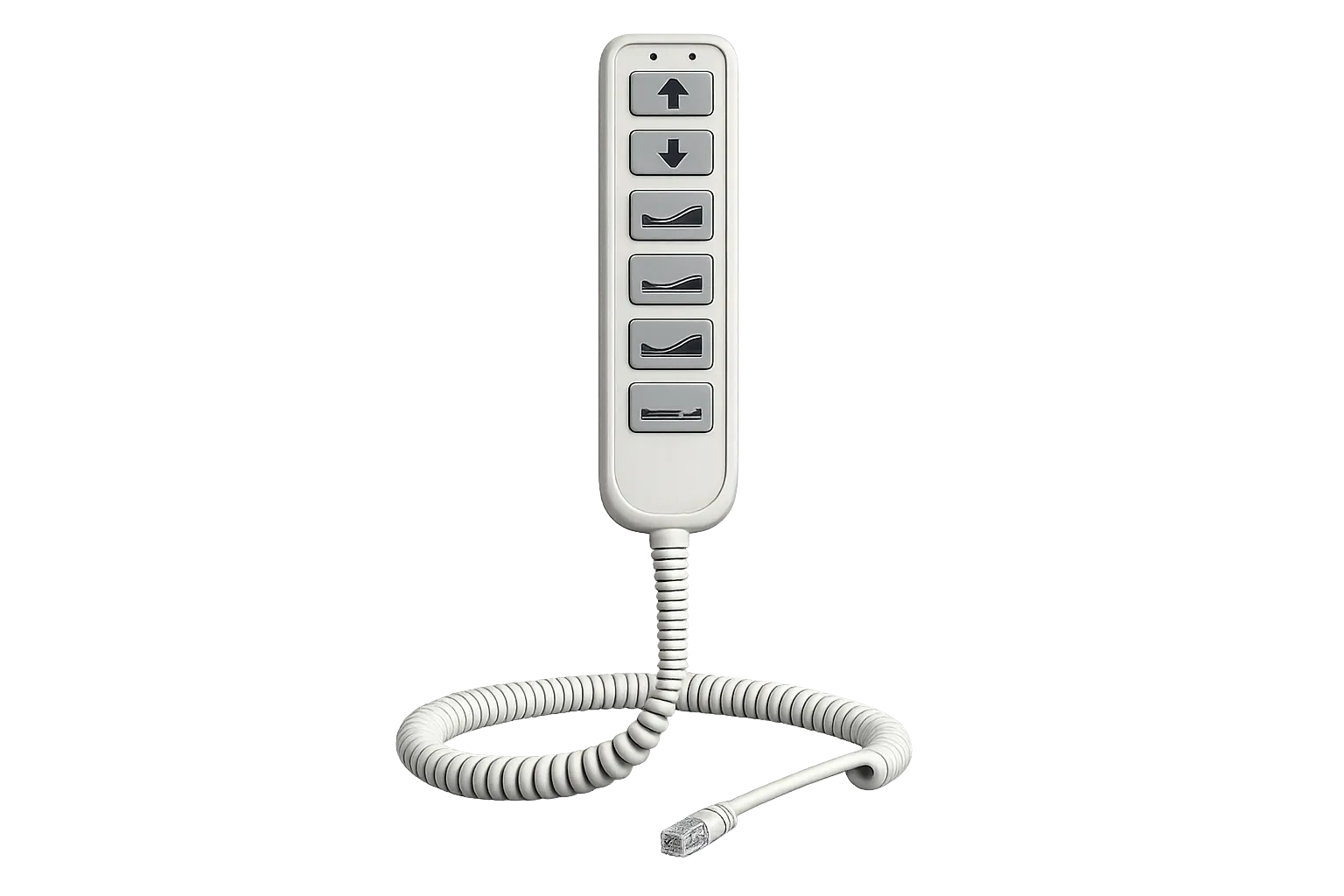

The Saikang SK-HD05 Electric Homecare Bed is designed for daily use across residential-care facilities, family-care environments, and mid-acuity homecare deployments, with the wooden split rail design and rigid-frame construction positioned as defining features for cognitively-intact patient care. In residential-care suites and CQC-regulated long-term care, the unit supports independent patient transfer through the split-rail middle access, while maintaining fall protection at the head and foot ends where unconscious movement during sleep is the primary risk.
For post-stroke rehabilitation in residential settings, post-surgery recovery extending beyond hospital discharge, and long-term care for mobility-impaired but cognitively intact patients, the comprehensive electric positioning suite — backrest 0–68°, knee-rest 0–28°, Trendelenburg 17°, reverse-Trendelenburg 15° — supports the postural variety required for healing and pressure-sore prevention. The pronounced 17° Trendelenburg tilt is the highest in the HD-series, supporting aggressive postural drainage routines for residents with respiratory or circulatory complications.
For family-care environments where a clinical bed is needed but the wooden aesthetic matters for the home setting, the SK-HD05 delivers the right balance. The split-rail design allows family caregivers and the patient to manage transfers without constantly raising and lowering full-length rails, while the rigid frame and wide height envelope reduce caregiver back-strain across daily personal-care routines.
The unit is equally suitable for retirement-home individual rooms, palliative-care home deployments where cognitive function is retained, post-orthopaedic-surgery recovery requiring temporary clinical positioning, and mid-acuity nursing-home rooms where the wooden aesthetic is preferred over institutional metal rails. The 215 kg safe working load supports bariatric care across all these scenarios, with the standard hospital-grade mattress compatibility allowing pressure-relief mattresses to be specified per individual resident risk profile.