
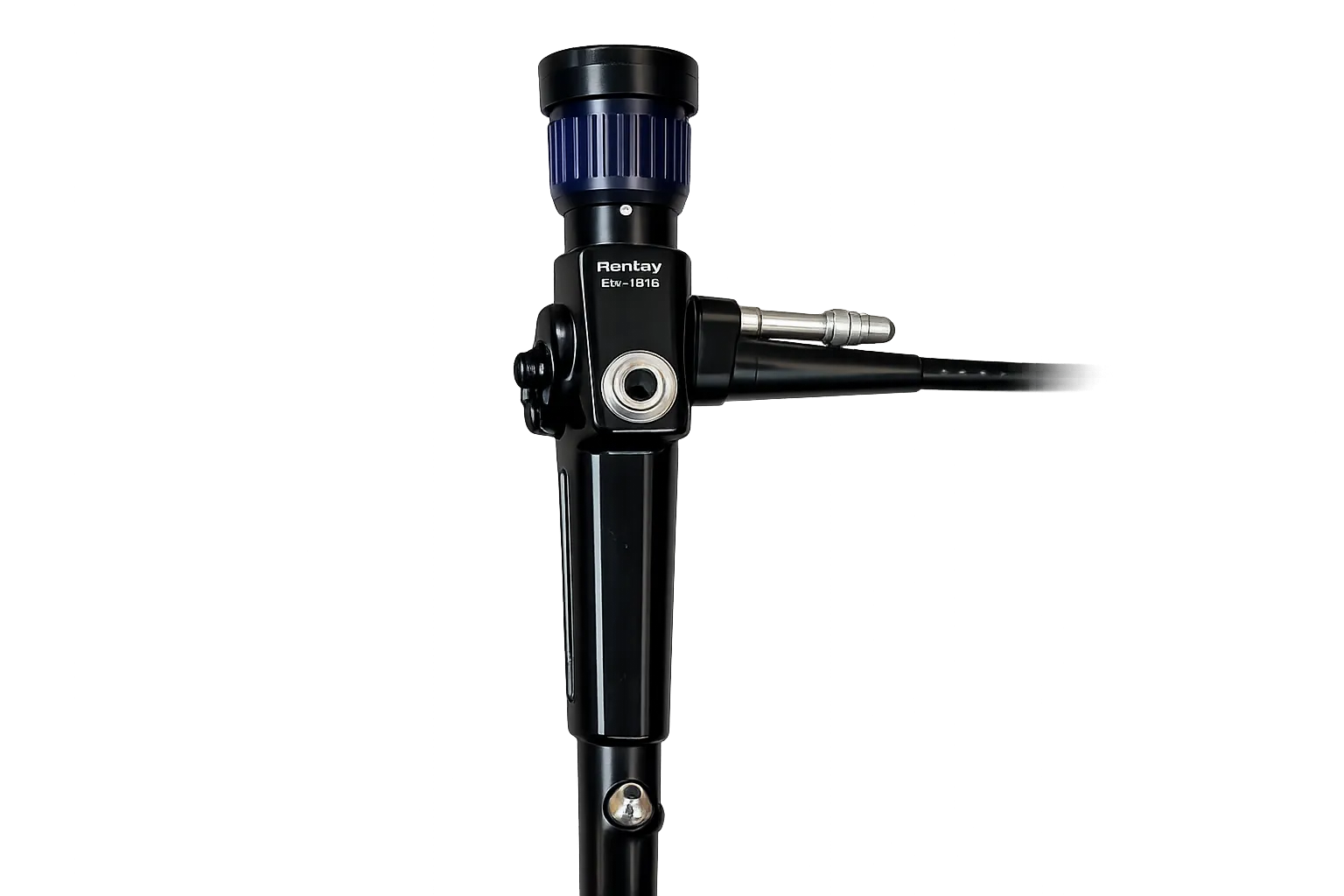
Routine Diagnostic Bronchoscopy
The Pentax FB-18V anchors routine diagnostic bronchoscopy across hospital pulmonology departments and dedicated bronchoscopy suites. The Superfine fibre technology, smaller 5.9 mm distal end, enlarged 2.8 mm channel, 120° field of view, and CSV Closed Suction Valve support comprehensive examination of the tracheobronchial tree with less patient discomfort across hospital and ambulatory pulmonology services worldwide today during routine practice.
Therapeutic Bronchoscopy
Therapeutic bronchoscopy benefits substantially from the FB-18V's enlarged 2.8 mm working channel that accommodates biopsy forceps, cytology brushes, suction catheters, and therapeutic devices. Tissue sampling, brushings, washings, and minor therapeutic interventions support hospital pulmonology services, interventional bronchoscopy programmes, and oncology referral services worldwide today during routine clinical practice.
Emergency Airway Bronchoscopy
Emergency airway bronchoscopy benefits from the FB-18V's LSV lighting versatility including cordless battery-powered LSV module and BS Portable battery power module. The platform supports emergency department airway management, mobile resuscitation services, and field bronchoscopy across emergency medicine services and rapid response programmes worldwide today during routine emergency practice in busy environments.
ICU Bedside Bronchoscopy
ICU bedside bronchoscopy benefits from the FB-18V's ergonomic lightweight control body, LSV battery-powered lighting options, and CSV Closed Suction Valve supporting accurate aspiration. The platform supports critically ill patient bronchoscopy at bedside including secretion clearance, suspected pneumonia evaluation, and atelectasis management across hospital ICU services worldwide today during routine practice.
Mobile and Ambulatory Bronchoscopy
Mobile and ambulatory bronchoscopy benefits from the FB-18V's battery-powered LSV module, lightweight ergonomic design, and full submersibility. The platform supports community pulmonology outreach, mobile bronchoscopy services, ambulatory clinics, and resource-limited environments where conventional light source infrastructure is unavailable across pulmonary services worldwide today.