
- Tracheal intubation in difficult airway cases
- Routine intubation during general anesthesia
- Emergency airway management
- Intensive care and critical care procedures
- Teaching and training in airway management
- Home
- Shop
- ENT, Ophthalmic & Sensory
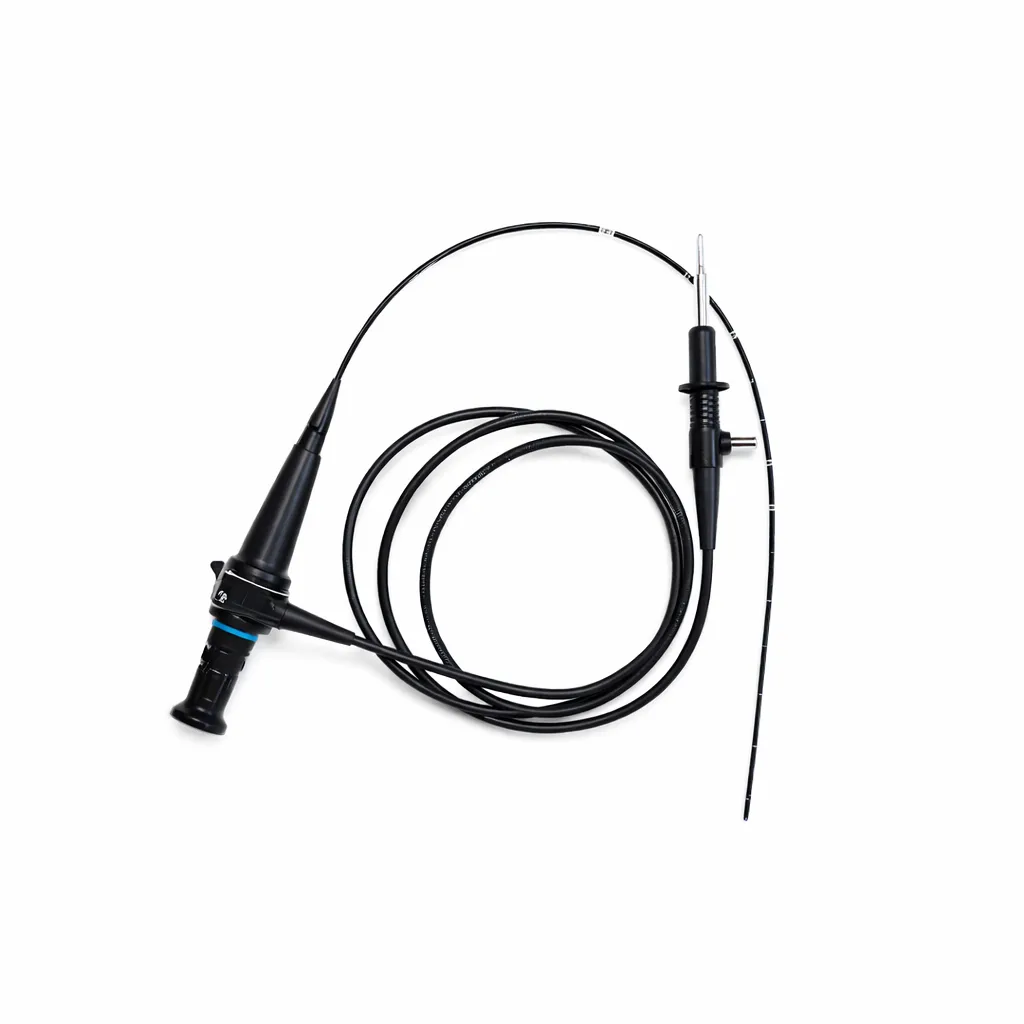
- Olympus LF-2 Tracheal Intubation Fibroscope - Good Condition
ENT, Ophthalmic & Sensory
Olympus LF-2 Tracheal Intubation Fibroscope - Good Condition
Product Code: EOAS-ENTD-358
Clear vision. Confident intubation. Reliable airway control.
The LF-2 Tracheal Intubation Fibroscope is a flexible medical device used to guide safe and accurate tracheal intubation. It offers clear visualization of the airway and supports difficult or routine intubation procedures.
The LF-2 Tracheal Intubation Fibroscope is designed for clinicians who require reliable airway visualization during intubation. Its flexible insertion tube allows smooth navigation through the nasal or oral route, while the optical system provides a clear view of airway structures such as the vocal cords and trachea.
This unit is in good condition, meaning it has been tested for functionality and optical clarity. It is suitable for use in operating rooms, emergency departments, and intensive care units. The device supports controlled, minimally traumatic intubation, especially in patients with difficult airways.
Key Features
- Flexible insertion tube for easy airway navigation
- Clear optical visualization of trachea and vocal cords
- Ergonomic design for controlled handling
- Suitable for oral and nasal intubation
- Durable construction for clinical use
- Compatible with standard light sources and accessories
- Improves intubation accuracy and safety
- Reduces risk of airway trauma
- Helpful in patients with limited mouth opening or neck movement
- Enhances clinician confidence during complex procedures
- Reusable and cost-effective compared to disposable devices
1. What is the LF-2 Tracheal Intubation Fibroscope used for?
It is used to visualize the airway and assist doctors in placing a breathing tube into the trachea.
2. Is this device suitable for difficult airways?
Yes. It is especially helpful in difficult or complex airway situations.
3. What does “good condition” mean?
The device is fully functional, optically clear, and suitable for clinical use, though it may show minor signs of previous use.
4. Can it be used for nasal intubation?
Yes. The flexible design supports both oral and nasal intubation.
5. Is special training required to use it?
Basic training in fiberoptic intubation is recommended for safe and effective use.
6. Is it reusable?
Yes. It is designed for multiple uses with proper cleaning and sterilization.
7. Where is it commonly used?
Hospitals, operating theatres, emergency rooms, and ICUs.
8. Does it help reduce complications during intubation?
Yes. Direct visualization helps lower the risk of failed or traumatic intubation.