
Mediastinal Lymph Node Staging
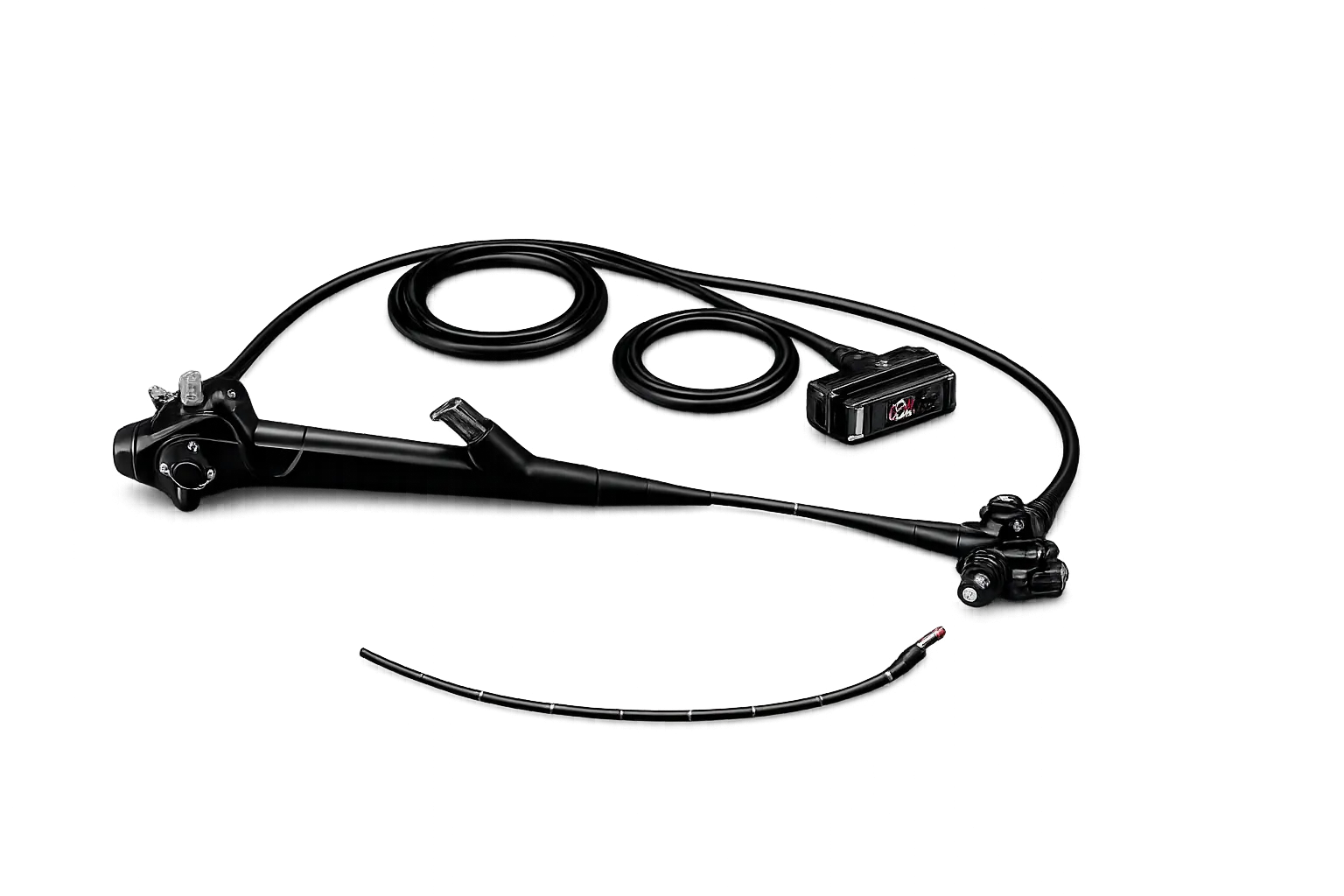
The Olympus BF-UC180F anchors mediastinal lymph node staging across hospital interventional pulmonology, thoracic surgery, and lung cancer programmes. The shorter distal rigid tip enables access to difficult-to-reach nodal stations like 4L and 10R, while the 2.2 mm channel, ViziShot 2 needle, and real-time ultrasound support comprehensive EBUS-TBNA staging across thoracic oncology services worldwide today during routine practice.
Lung Cancer Staging
Lung cancer staging benefits substantially from the BF-UC180F's improved access to challenging nodal stations and smaller lymph nodes ≥5 mm. Real-time ultrasound-guided sampling supports N-stage assessment, treatment planning, surgical candidacy evaluation, and oncologic decision-making across thoracic oncology multidisciplinary services and dedicated lung cancer programmes worldwide today during routine clinical practice.
Difficult Nodal Station Access
Difficult nodal station access benefits from the BF-UC180F's uniquely designed shorter distal rigid tip. Stations 4L and 10R — historically challenging for conventional EBUS bronchoscopes — become accessible, supporting comprehensive mediastinal mapping, complete staging workups, and improved diagnostic yield across hospital interventional pulmonology and thoracic services worldwide today during routine clinical practice.
Mediastinal Lesion Biopsy
Mediastinal lesion biopsy benefits from the BF-UC180F's larger 2.2 mm channel and ViziShot 2 needle compatibility. Sampling of mediastinal masses, peri-bronchial lesions, and central thoracic pathology supports diagnosis of lung cancer, lymphoma, granulomatous disease, and infectious mediastinal pathology across thoracic services worldwide today during routine clinical practice in busy referral environments.
EBUS Training and Academic Programmes
EBUS training and academic programmes benefit from the BF-UC180F's video EBUS imaging supporting trainee observation, capsule-to-capsule technique demonstration, and reproducible teaching workflows. Combined with the shorter rigid tip and improved nodal station access, the platform serves academic teaching hospitals, fellowship programmes, and interventional pulmonology training worldwide today during routine practice.