
The CR Reader FCR XG-1 is suitable for a wide range of diagnostic imaging needs, including:
- General radiography
- Chest X-rays
- Orthopedic imaging
- Trauma examinations
- Pediatric imaging
- Routine outpatient diagnostics
Reliable digital radiography made simple and efficient.
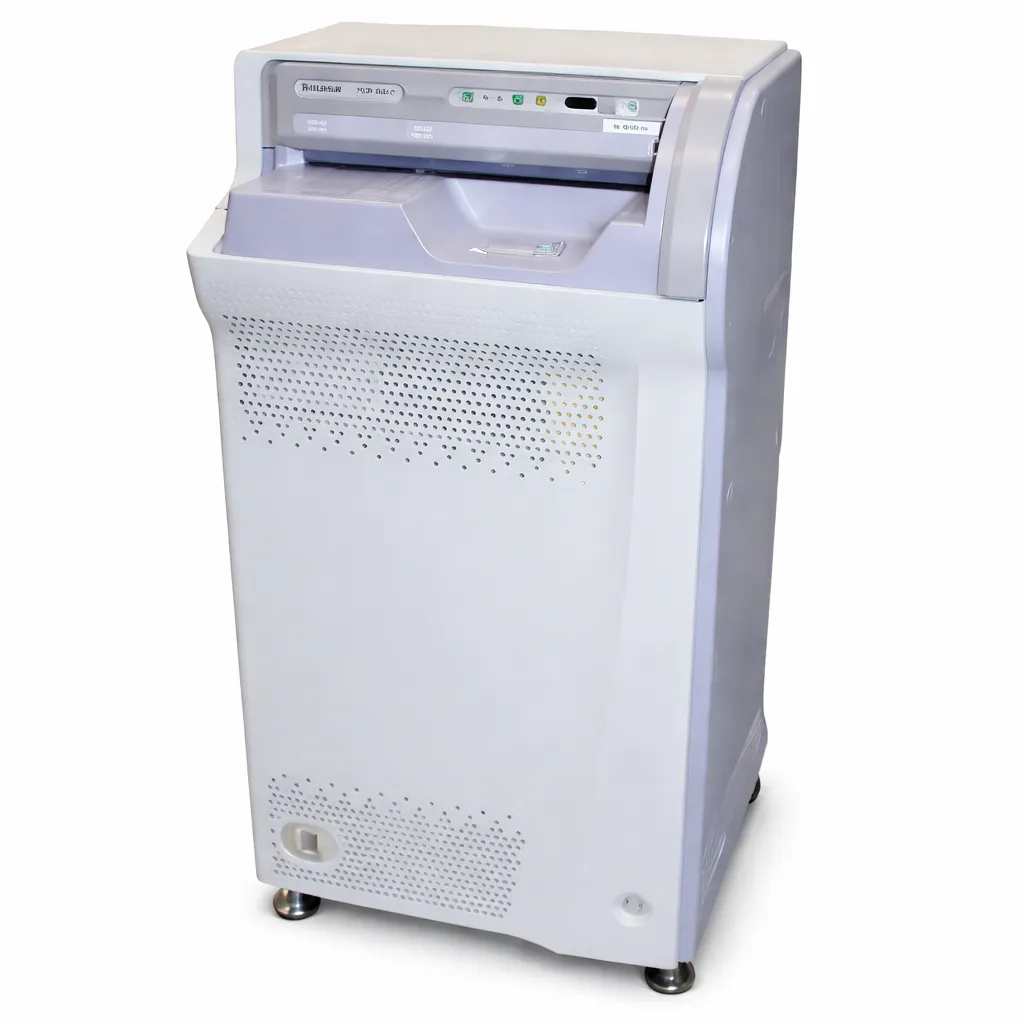
The CR Reader FCR XG-1 is a compact and reliable computed radiography (CR) system designed for clinics and hospitals that need high-quality digital X-ray images with smooth workflow. It delivers consistent image quality, fast processing, and easy operation for everyday diagnostic use.
A few quick details and you are done. Our projects team replies within one business day with availability, lead time and a quotation.
Fujifilm CR Reader FCR XG-1
Product code: MDIE-MIEQ-160
The FCR XG-1 is a tabletop computed radiography reader that converts X-ray images captured on imaging plates into clear digital images. It is built for small to mid-sized healthcare facilities looking to move from film-based radiography to digital imaging without complex installation or high operating costs.
This CR reader supports standard cassette sizes and fits easily into existing X-ray rooms. With stable image processing and user-friendly software, radiographers can acquire, review, and send images quickly. The system is optimized for routine examinations while maintaining dependable performance and image clarity.
The compact design helps save space, while its durable construction ensures long-term use in busy clinical environments. It integrates smoothly with PACS and hospital information systems, making it suitable for modern diagnostic workflows.
Key Features
The CR Reader FCR XG-1 is suitable for a wide range of diagnostic imaging needs, including:
1. What is the CR Reader FCR XG-1 used for?
It is used to convert X-ray images from imaging plates into digital images for diagnosis.
2. Is the FCR XG-1 suitable for small clinics?
Yes, it is designed specifically for clinics and hospitals with limited space and moderate patient volume.
3. Does it support standard CR cassettes?
Yes, it supports commonly used cassette sizes for general radiography.
4. Can it integrate with PACS systems?
Yes, the system supports DICOM and integrates easily with PACS and hospital systems.
5. How fast is the image processing?
The FCR XG-1 offers quick image processing, allowing faster patient throughput.
6. Is special training required to operate it?
Only basic training is needed due to its user-friendly interface.
7. Does it reduce operating costs compared to film X-ray?
Yes, it eliminates film, chemicals, and related processing costs.
8. Is the system suitable for daily high-use environments?
Yes, it is built for stable performance in routine clinical use.