
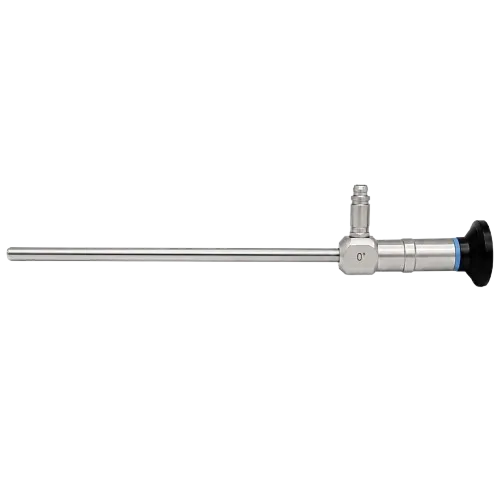
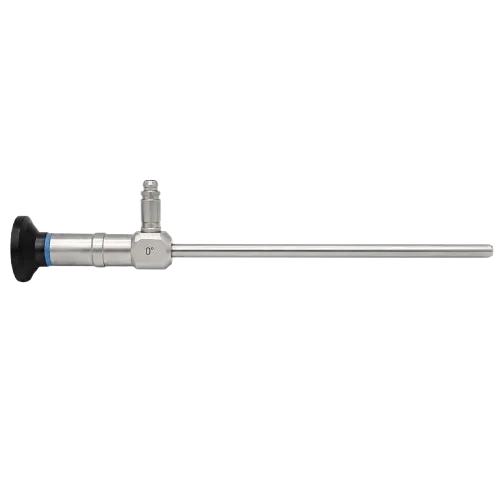
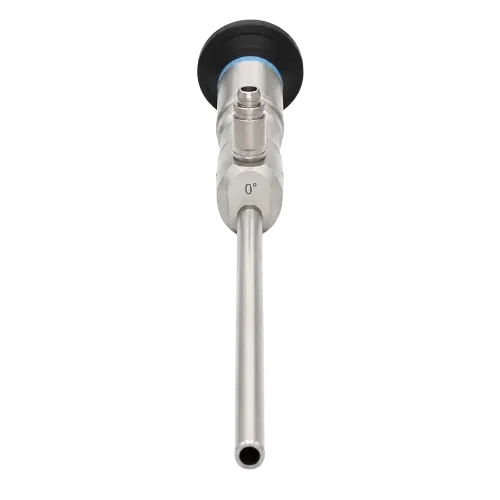
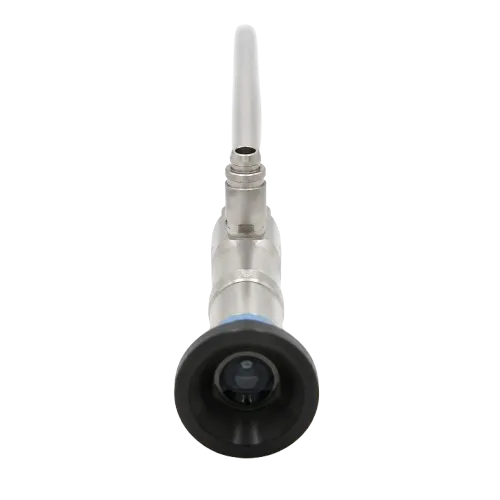
The 233 Medical G-F0001 serves UK hospital surgical departments, day-case surgical centres, and private surgical practices performing laparoscopic general surgery, gynaecology, and urology. The 0° forward-viewing configuration is the daily workhorse choice across most laparoscopic case loads, supporting diagnostic procedures and the bulk of therapeutic case mix where the target anatomy lies directly below the trocar entry point.
In general surgery, the G-F0001 supports diagnostic laparoscopy for unexplained abdominal pain, suspected appendicitis, and acute abdomen evaluation; cholecystectomy for symptomatic gallstones; appendectomy in straightforward anatomy; inguinal and hiatal hernia repair; selected bariatric surgery procedures including sleeve gastrectomy and gastric bypass; and exploratory laparotomy assessment before deciding on open-conversion. The 10 mm shaft diameter matches the 10 mm trocar systems used as standard in adult general surgery theatres.
In gynaecology, the G-F0001 supports diagnostic laparoscopy for chronic pelvic pain, infertility evaluation, and endometriosis assessment; total laparoscopic hysterectomy and laparoscopic-assisted vaginal hysterectomy; ovarian cyst, dermoid, and adnexal mass removal; tubal ligation and tubal patency assessment; and laparoscopic management of ectopic pregnancy. Many gynaecological procedures benefit from 30° lateral viewing — most gynaecological suites stock both 0° and 30° telescopes to handle procedure-specific viewing requirements.
In urology, the G-F0001 supports diagnostic peritoneal entry, renal cyst decortication, varicocelectomy, and selected retroperitoneal procedures. Urological case mix typically prefers angled telescopes (30° or 45°) for many indications; the 0° configuration finds use in straightforward peritoneal-entry procedures and trainee teaching cases.
For surgical training and skills laboratories, the G-F0001 provides cost-effective coverage of laparoscopic technique training, suturing practice in trainer-box environments, and basic diagnostic technique teaching. Training-use scopes typically suffer faster service-life consumption than theatre-use scopes due to higher handling rates by less-experienced users; clinics running active training programmes typically budget separately for training-fleet vs theatre-fleet inventory.