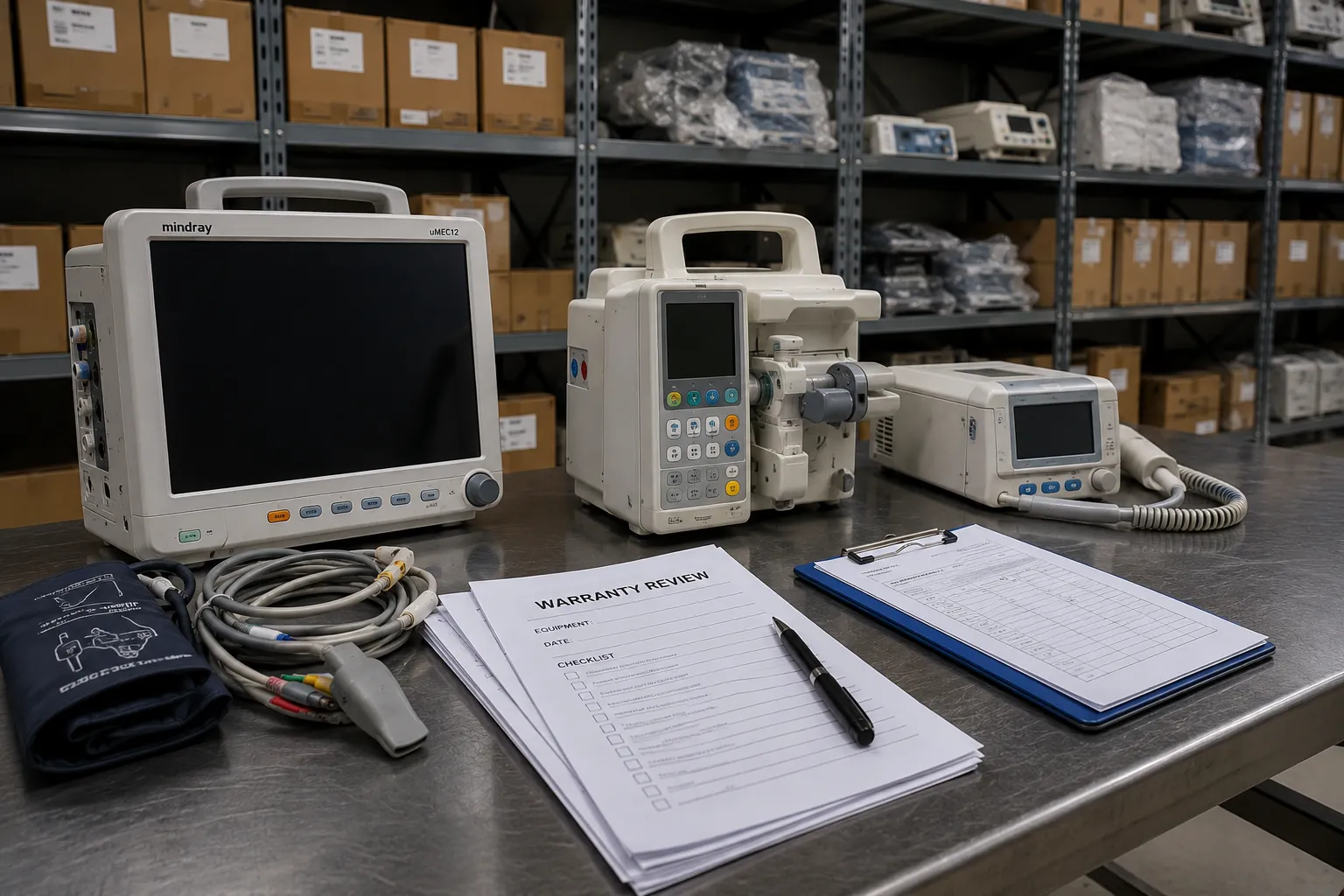
The medical equipment industry is entering a period of significant regulatory transformation. Advances in healthcare technology, connected devices, digital health platforms, artificial intelligence, and increasingly globalised supply chains are prompting regulators to rethink how medical equipment is evaluated, monitored, and managed throughout its lifecycle.
Historically, compliance efforts focused heavily on product approval before market entry. Today, regulatory authorities are placing greater emphasis on continuous oversight, data transparency, risk management, and lifecycle monitoring. As a result, manufacturers, distributors, importers, suppliers, and healthcare procurement teams must prepare for a more dynamic regulatory environment.
Understanding emerging regulatory trends can help organisations make better investment decisions, improve compliance readiness, and strengthen long-term operational resilience.
Why Regulatory Change Is Accelerating
Several factors are driving the evolution of healthcare equipment regulations.
Growing Technology Complexity – Medical equipment increasingly incorporates software, connectivity features, cloud integration, and advanced analytics.
Expanding Global Supply Chains – International sourcing requires stronger oversight and harmonised compliance frameworks.
Increasing Data Availability – Regulators now have access to larger volumes of operational and performance data.
Rising Expectations for Transparency – Healthcare stakeholders demand greater visibility into product quality, safety, and lifecycle management.
These developments are encouraging authorities to adopt more sophisticated regulatory approaches.
The Shift Toward Lifecycle-Based Regulation
One of the most significant trends is the shift from one-time approval models to ongoing lifecycle oversight.
Beyond Initial Market Authorisation- Regulators increasingly expect organisations to maintain visibility after products enter the market.
Key areas of focus include:
-
Performance monitoring
-
Product traceability
-
Documentation updates
-
Quality management reviews
-
Risk assessments
Supporting Continuous Compliance – Regulatory oversight is becoming an ongoing responsibility rather than a single approval event.
Greater Focus on Post-Market Activities- Authorities are paying closer attention to how products perform in real-world environments.
Improving Long-Term Accountability – Ongoing monitoring helps identify emerging issues and supports continuous improvement initiatives.
Digital Transformation of Regulatory Processes
Healthcare compliance is becoming increasingly digital.
Electronic Submissions and Documentation- Many regulatory agencies are modernising application and documentation systems.
Benefits often include:
-
Faster submissions
-
Improved data accuracy
-
Better record management
-
Enhanced transparency
Reducing Administrative Complexity – Digital systems help streamline compliance workflows.
Real-Time Compliance Monitoring- Technology is enabling more proactive regulatory oversight.
Creating Data-Driven Visibility – Continuous monitoring supports faster identification of potential compliance concerns.
Rising Importance of Cybersecurity Requirements
As medical equipment becomes more connected, cybersecurity is emerging as a major regulatory priority.
Protecting Connected Healthcare Technologies- Network-enabled devices introduce new operational considerations.
Areas receiving increased attention include:
-
Data security controls
-
Software maintenance
-
Vulnerability management
-
Access controls
-
Incident response planning
Expanding Regulatory Expectations – Cybersecurity is becoming an essential component of healthcare compliance frameworks.
Lifecycle Security Management- Regulators increasingly expect organisations to manage cybersecurity throughout the entire product lifecycle.
Moving Beyond Product Launch – Security obligations often continue long after initial deployment.
Artificial Intelligence and Advanced Technologies
Artificial intelligence is influencing both healthcare delivery and regulatory oversight.
New Challenges for Regulators- AI-enabled systems introduce unique considerations related to transparency, validation, and ongoing monitoring.
Balancing Innovation and Oversight – Regulatory frameworks are adapting to support emerging technologies while maintaining accountability.
Data Governance Requirements- Future regulations may place greater emphasis on data quality, algorithm management, and documentation practices.
Strengthening Trust in Digital Healthcare Solutions – Robust governance frameworks help support confidence in advanced technologies.
Global Harmonisation Efforts
Regulatory agencies around the world continue exploring opportunities for greater alignment.
Reducing International Complexity- Organisations operating across multiple markets often face varying requirements.
Areas targeted for harmonisation may include:
-
Classification systems
-
Documentation formats
-
Quality management expectations
-
Regulatory terminology
Supporting International Market Access – Greater consistency can help reduce administrative burdens.
Collaboration Between Authorities- Cross-border cooperation continues to increase.
Improving Regulatory Efficiency – Shared approaches may support faster reviews and more predictable compliance pathways.
Buyer Insights: Preparing for Future Compliance Expectations
Healthcare procurement teams are increasingly evaluating compliance readiness alongside equipment capabilities and pricing.
Important questions include:
-
How does the supplier manage regulatory changes?
-
Are quality systems regularly updated?
-
What traceability mechanisms are available?
-
How is cybersecurity addressed?
-
What lifecycle compliance processes exist?
Evaluating Long-Term Readiness – Future-focused compliance strategies may become a competitive differentiator.
Healthcare buyers seeking trusted sourcing opportunities can explore Medigear's procurement resources through Medigear.uk's buyer services.
Suppliers interested in expanding their visibility among procurement professionals can connect through Medigear.uk's business supplier network.
Readers may also find value in related Medigear content covering product certifications in healthcare, compliance best practices for distributors, quality assurance processes for medical devices, and equipment registration requirements by country.
Supply Chain Transparency Will Continue Expanding
Regulatory agencies increasingly expect visibility throughout the healthcare supply chain.
Enhancing Product Traceability – Improved tracking systems support accountability and operational oversight.
Strengthening Supplier Governance – Organizations are expected to maintain greater visibility into supplier performance and compliance.
Improving Documentation Controls – Accurate records remain essential to demonstrating readiness for compliance.
Supply chain transparency is expected to remain a major regulatory theme over the coming years.
Risk-Based Regulation Is Becoming Standard
Regulators are increasingly adopting risk-focused approaches.
Prioritising Critical Areas- Resources are directed toward higher-risk products, technologies, and operational activities.
Improving Regulatory Effectiveness – Risk-based oversight allows regulators to focus attention where it is most needed.
Dynamic Compliance Expectations: Future compliance programs may require organisations to demonstrate active risk management rather than maintain documentation.
Encouraging Proactive Compliance Cultures – Risk awareness is becoming a core component of regulatory readiness.
The Role of Digital Compliance Platforms
Technology is transforming how organisations manage regulatory obligations.
Centralised Compliance Management – Digital platforms provide greater visibility across products and markets.
Automated Documentation Controls – Software tools help improve record accuracy and version management.
Regulatory Intelligence Solutions – Organisations can monitor changes more efficiently.
Analytics-Driven Decision Making – Data supports proactive compliance planning.
Digital compliance systems are expected to become increasingly important as regulatory complexity grows.
Industry Collaboration and Regulatory Readiness
Future regulatory success will depend not only on internal systems but also on collaboration across the healthcare ecosystem.
Organisations interested in developing strategic healthcare relationships can explore opportunities through Medigear.uk's business partners.
Healthcare companies seeking additional industry visibility may benefit from Medigear promotional solutions available at Medigear.uk's business advertise.
Collaborative approaches often help organisations respond more effectively to evolving regulatory expectations.
Looking Ahead
Continuous monitoring, digital oversight, cybersecurity requirements, global harmonisation efforts, and stronger lifecycle management expectations will likely define the future of medical equipment regulation. Organisations that view compliance as an ongoing strategic capability rather than a periodic obligation will be better positioned to adapt to changing healthcare environments.
By investing in quality systems, digital compliance tools, supplier governance, traceability programs, and proactive risk management, healthcare organisations can strengthen resilience and improve readiness for the next generation of regulatory requirements.
For assistance with healthcare equipment sourcing, supplier discovery, procurement support, or platform services, contact the Medigear—UK's Contact Team page.
Disclaimer
Medigear.uk is a medical equipment supplier and distributor. We do not provide medical advice, diagnosis, or treatment recommendations. All information is for educational and product awareness purposes only. Qualified medical professionals should always make healthcare decisions.