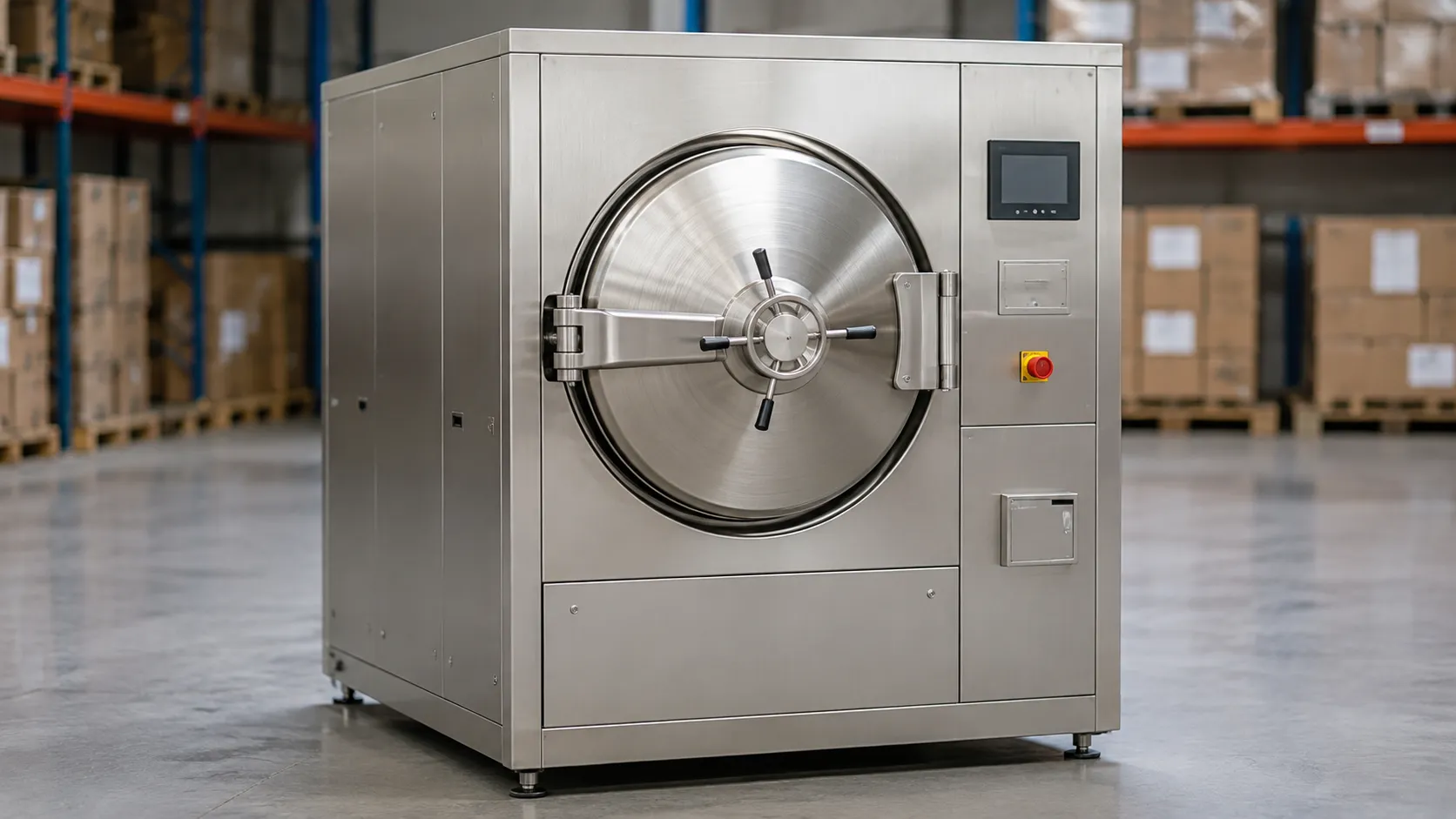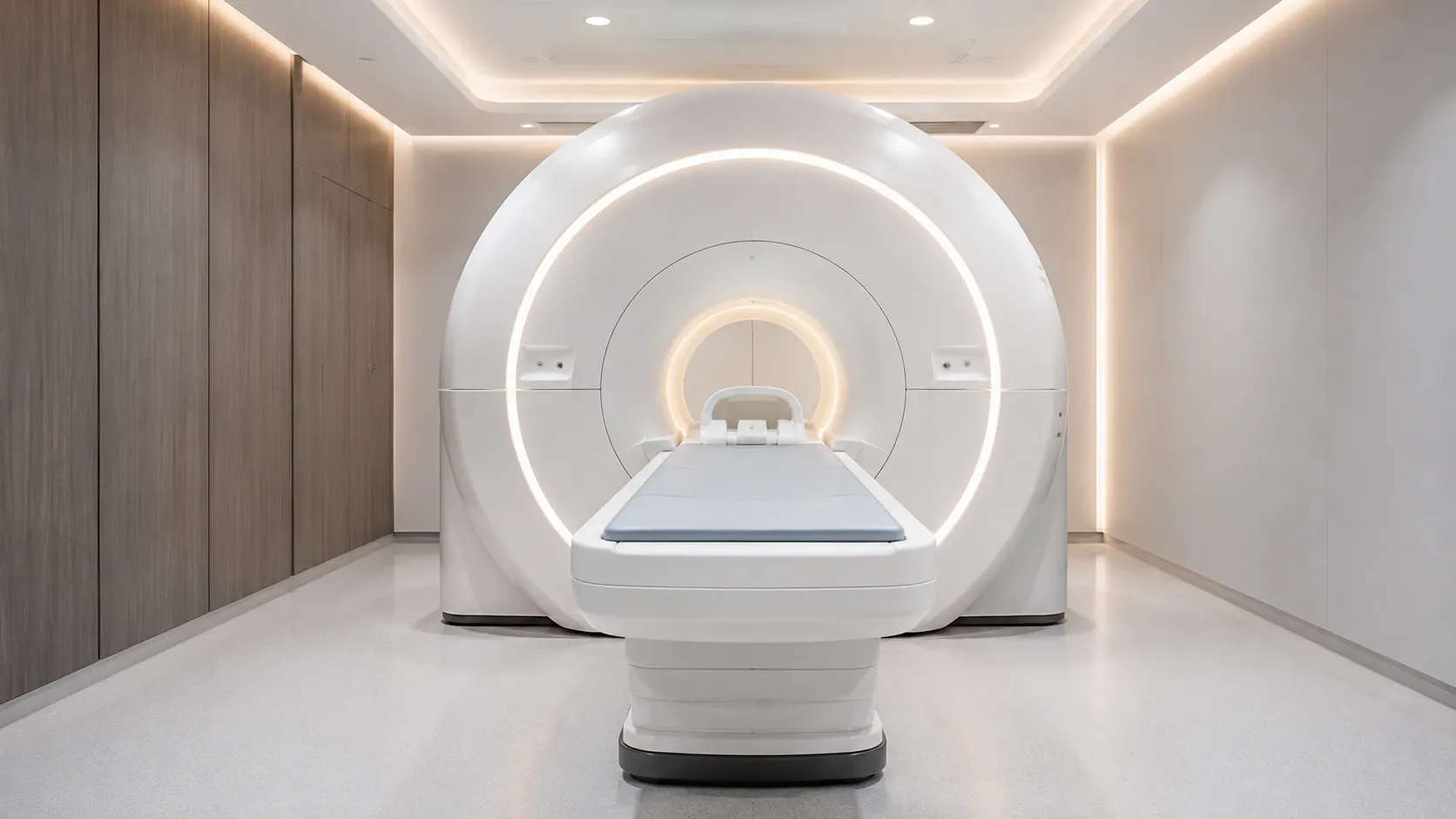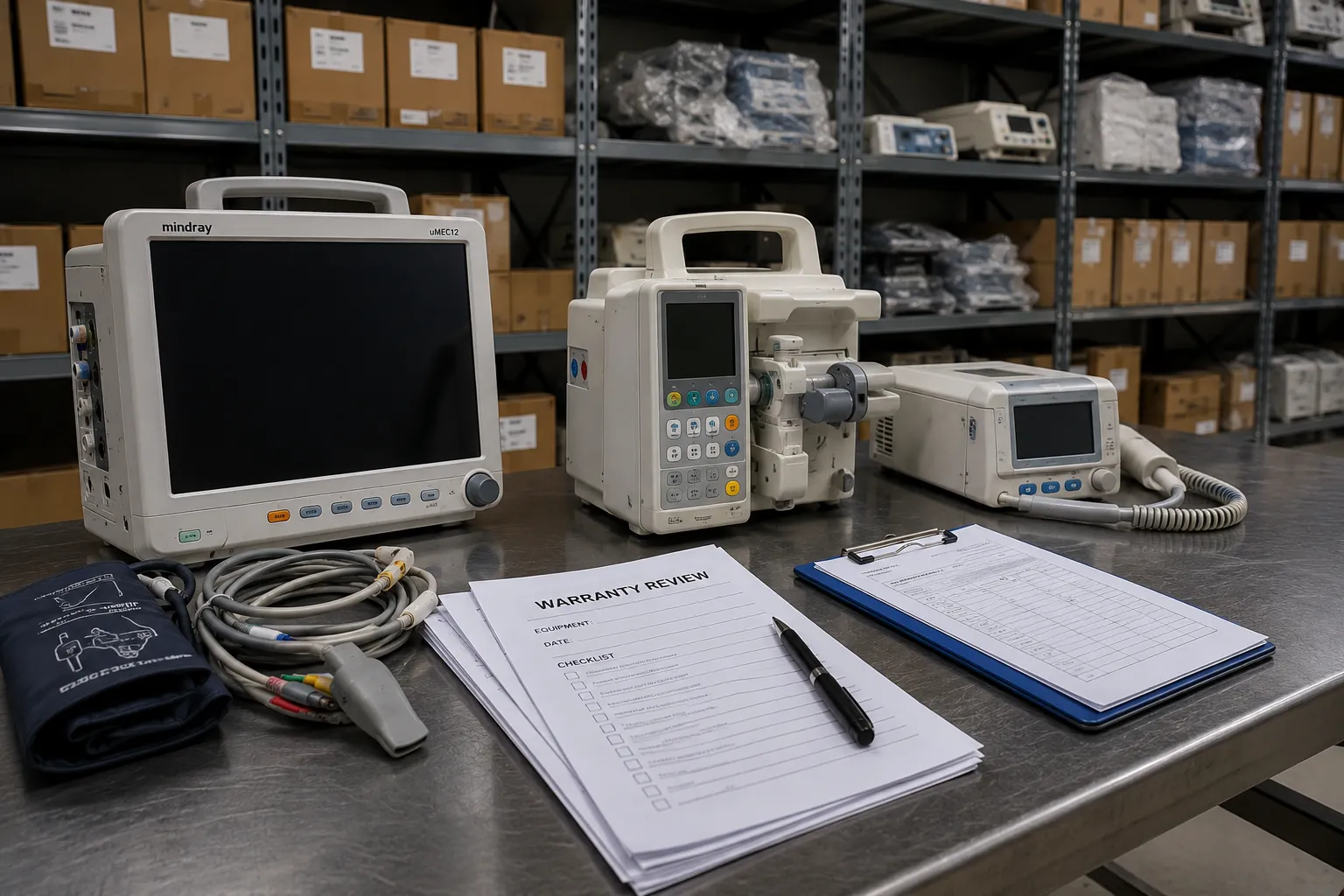
Healthcare facilities depend on thousands of devices every day. Patient monitors, imaging systems, ventilators, laboratory analysers, infusion pumps, and surgical equipment all play important roles in diagnosis and treatment. Even a short period of equipment downtime can interrupt workflows, delay patient care, and increase operating costs.
Medical equipment failure rarely occurs due to a single issue. In many cases, it results from a combination of ageing components, maintenance gaps, environmental conditions, and human factors. Understanding these causes helps healthcare facilities improve reliability and extend equipment life.
Facilities that regularly review maintenance strategies and procurement planning often experience fewer unexpected breakdowns. Organisations seeking structured purchasing guidance can also explore Medigear's healthcare buyer resources on the Buyers platform.
Why Medical Equipment Reliability Matters
Reliable equipment supports:
-
Consistent clinical workflows.
-
Better patient safety.
-
Lower repair costs.
-
Regulatory compliance.
-
Improved staff confidence.
-
Reduced emergency replacements.
Unexpected failures may lead to cancelled procedures, delayed diagnostics, and increased pressure on technical teams. Preventing these issues starts with understanding the most common risk factors.
Ageing Components and Natural Wear
No medical device lasts forever. Mechanical parts gradually wear out, electrical components degrade, and sensors lose accuracy over time.
Gradual Performance Loss – Bearings, motors, valves, and moving assemblies experience friction during daily operation. Small changes may not be noticeable initially, but can eventually affect performance.
Electronic Degradation – Capacitors, circuit boards, connectors, and power supplies naturally age. Heat exposure can accelerate this process.
Sensor Drift – Monitoring equipment often depends on highly sensitive sensors. Without periodic calibration, measurement accuracy can decline.
Facilities that plan equipment replacement based on lifecycle expectations often reduce emergency failures and maintenance costs.
Delayed Preventive Maintenance
One of the leading causes of equipment failure is postponing scheduled servicing.
Preventive maintenance includes:
-
Safety inspections.
-
Functional testing.
-
Cleaning.
-
Calibration.
-
Lubrication.
-
Software verification.
-
Component replacement.
Skipping maintenance may seem cost-effective in the short term, but it often leads to larger repair expenses.
Small Problems Become Larger – Loose connections, clogged filters, or worn seals can develop into major failures if ignored.
Unexpected Downtime Increases – Emergency repairs usually require longer service interruptions than planned maintenance.
Healthcare organisations reviewing maintenance planning may also benefit from understanding equipment performance verification processes discussed in related Medigear educational content.
Improper Equipment Operation
Modern medical devices contain sophisticated features that require proper user training.
Even well-designed equipment can fail prematurely if operated incorrectly.
Incorrect Setup Procedures – Improper installation or configuration may stress components.
Exceeding Operational Limits – Running equipment beyond recommended capacity increases wear.
Poor Handling Practices – Rough movement, improper transport, and accidental impacts may damage internal mechanisms.
Insufficient User Training – Staff unfamiliar with equipment operations may unintentionally cause operational problems.
Regular refresher training helps reduce human-related equipment issues while improving overall efficiency.
Environmental Conditions
The healthcare environment itself can affect equipment reliability.
Temperature- Excessive heat may shorten the life of electronic components, while extremely cold conditions can affect battery performance.
Humidity- High humidity can promote corrosion and moisture-related electrical faults.
Dust and Contamination- Dust accumulation blocks ventilation systems and cooling fans, increasing the risk of overheating.
Power Quality- Voltage fluctuations and unstable electrical supplies may damage sensitive electronic circuits.
Controlled Operating Conditions – Maintaining recommended environmental standards supports longer equipment life and better performance.
Healthcare facilities working with reliable supply partners often receive guidance on suitable installation conditions and operational requirements through trusted supplier networks.
Poor Cleaning and Infection Control Practices
Cleaning protects both patients and equipment.
However, improper cleaning methods may create new problems.
Chemical Damage – Using incompatible disinfectants can degrade plastics, rubber seals, and display surfaces.
Liquid Penetration – Excessive moisture may reach internal electronics.
Blocked Ventilation – Cleaning residues can obstruct cooling systems.
Connector Corrosion – Improper drying may affect electrical contacts.
Following manufacturer-recommended cleaning procedures helps preserve equipment integrity while maintaining hygiene standards.
Lack of Regular Calibration
Many medical devices rely on accurate measurements.
Examples include:
-
Patient monitors.
-
Blood pressure systems.
-
Laboratory analysers.
-
Imaging equipment.
-
Infusion devices.
Without calibration, measurements may gradually drift from expected values.
Measurement Accuracy Declines – Small variations can accumulate over time.
Clinical Confidence Reduces – Healthcare professionals depend on accurate data for decision-making.
Regulatory Challenges Increase – Many quality systems require documented calibration schedules.
Software Issues and Outdated Firmware
Medical equipment increasingly relies on software to manage operations, process data, and communicate with other healthcare systems.
Delayed Software Updates – Older firmware may contain bugs that affect performance and reliability.
Configuration Errors – Incorrect software settings can create operational problems.
Data Communication Failures – Network-connected devices may experience connectivity issues, disrupting workflows.
Cybersecurity Risks – Unsupported software may become vulnerable to cyber threats that affect system functionality.
Routine software management should be part of every maintenance programme alongside physical inspections.
Electrical Problems and Unstable Power Supply
Modern medical equipment depends on a stable electrical supply. Even minor fluctuations can affect sensitive components and reduce equipment reliability over time.
Voltage Fluctuations – Sudden spikes or power drops may damage internal circuits, power supplies, and control boards.
Frequent Power Interruptions – Unexpected outages can interrupt software processes and shorten component lifespan.
Poor Grounding Systems – Inadequate electrical grounding increases the risk of equipment malfunction and electrical hazards.
Inadequate Surge Protection – Protective devices help shield expensive medical equipment from unexpected electrical events.
Hospitals and clinics can minimise these risks by performing regular electrical inspections and using appropriate backup power solutions.
Battery Failure and Power Storage Problems
Many portable medical devices rely on rechargeable batteries for mobility and emergency use.
Examples include:
-
Defibrillators
-
Portable monitors
-
Infusion pumps
-
Transport ventilators
-
Emergency lighting systems
Reduced Charging Capacity – Battery performance naturally declines after repeated charging cycles.
Extended Storage Periods – Batteries left unused for long periods may lose effectiveness.
Improper Charging Practices – Overcharging or incorrect charging conditions can shorten battery life.
Temperature Exposure – Excessive heat or cold affects battery performance.
Routine battery testing helps ensure equipment remains ready for use when needed.
Poor Spare Parts Management
Equipment repairs often depend on the availability of replacement components.
Delayed Repairs – Missing spare parts can extend equipment downtime.
Incompatible Components – Incorrect replacement parts may affect safety and performance.
Inventory Gaps – Critical consumables and service items should be monitored regularly.
End-of-Life Challenges – Older equipment may have limited parts availability.
Healthcare facilities that establish reliable supply chains often experience faster maintenance turnaround times. Organisations exploring trusted sourcing options can learn more through Medigear's supplier network, which supports healthcare procurement planning.
Inadequate Storage and Transportation
Medical equipment may be damaged before it is even used if storage and transportation practices are overlooked.
Physical Shock – Dropping or rough handling can damage sensitive internal components.
Improper Packaging – Insufficient protection during movement increases risk.
Extreme Environmental Exposure – Heat, moisture, and dust can affect stored equipment.
Long-Term Storage Issues – Equipment left inactive for extended periods should undergo periodic inspection.
Safe handling procedures protect equipment investments and reduce unnecessary repairs.
Lack of Equipment Performance Monitoring
Many failures develop gradually rather than suddenly.
Monitoring equipment performance can identify warning signs before major breakdowns occur.
Increasing Error Messages – Frequent alerts may indicate developing faults.
Longer Operating Times – Reduced efficiency can suggest component wear.
Unusual Noise or Vibration – Mechanical changes often signal maintenance needs.
Higher Energy Consumption – Electrical inefficiencies may reveal hidden problems.
Recording performance trends helps maintenance teams plan repairs more effectively.
Buyer Insights for Healthcare Facilities
Purchasing reliable equipment is only part of long-term asset management. Buyers should consider the complete ownership lifecycle before making procurement decisions.
Service Support Availability – Reliable technical support can reduce downtime.
Maintenance Documentation – Clear service schedules simplify equipment management.
Training Opportunities – Staff education improves equipment handling.
Parts Availability – Long-term component support extends equipment usability.
Upgrade Potential – Modular systems may adapt to changing healthcare needs.
Maintenance and Operational Best Practices
Reducing equipment failures requires a proactive approach rather than reactive repairs.
Develop Preventive Maintenance Schedules- Regular servicing identifies small issues before they become major failures.
Keep Accurate Service Records- Maintenance logs help track recurring problems and support compliance requirements.
Train Clinical and Technical, Staff- Proper operation reduces avoidable wear and accidental damage.
Monitor Equipment Utilisation: Overused equipment may require more frequent maintenance intervals.
Standardise Inspection Procedures- Routine checklists improve consistency across departments.
Plan Equipment Replacement- Lifecycle planning reduces emergency purchasing and unexpected downtime.
Facilities seeking collaborative healthcare technology opportunities may also explore Medigear's partnership programmes, which encourage innovation and long-term operational improvements.
Emerging Trends Reducing Medical Equipment Failure
Healthcare technology continues to evolve, helping organisations predict and prevent equipment issues.
Predictive Maintenance – Data analysis can identify potential failures before they occur.
IoT Connectivity – Connected devices provide real-time performance information.
Artificial Intelligence Monitoring – AI tools can detect abnormal operating patterns.
Remote Diagnostics – Technical teams may identify faults without onsite inspections.
Digital Asset Management – Centralised systems improve maintenance scheduling and equipment tracking.
These developments are helping healthcare facilities move from reactive maintenance toward proactive equipment management.
Building a Culture of Equipment Reliability
Technology alone cannot prevent equipment failure. Successful healthcare organisations combine quality equipment with strong operational practices.
A reliable strategy includes:
-
Regular inspections.
-
Staff training.
-
Preventive maintenance.
-
Calibration programmes.
-
Accurate documentation.
-
Environmental controls.
-
Spare parts planning.
-
Lifecycle management.
Healthcare facilities that invest in these areas often experience lower repair costs, improved operational efficiency, and more consistent equipment performance through an advertising platform.
For organisations seeking additional guidance or assistance with healthcare equipment solutions, Medigear's customer support team provides information on products, sourcing, and business enquiries via the website's contact section.
Key Takeaways
Medical equipment failures are usually preventable. While ageing components and normal wear contribute to equipment breakdowns, many problems stem from delayed maintenance, improper operation, poor environmental conditions, inadequate calibration, electrical issues, software challenges, and ineffective asset management.
By adopting preventive maintenance programmes, improving staff training, monitoring equipment performance, and planning for equipment lifecycles, healthcare facilities can reduce downtime and protect valuable investments. As predictive maintenance and smart healthcare technologies continue to develop, equipment reliability is expected to improve even further.
Disclaimer
Medigear.uk is a medical equipment supplier and distributor. We do not provide medical advice, diagnosis, or treatment recommendations. All information is for educational and product awareness purposes only. Qualified medical professionals should always make healthcare decisions.