A neonatal intensive care unit (NICU) generates thousands of clinical observations every day. Heart rhythms fluctuate, oxygen requirements change, breathing patterns evolve, and body temperature must remain within narrow limits. For healthcare teams caring for vulnerable newborns, the challenge is not simply collecting data but recognising meaningful changes before they become emergencies. Advances in neonatal monitoring technology are helping address this challenge by combining precision sensing, intelligent analytics, and connected healthcare systems.
Modern neonatal monitoring extends beyond traditional bedside devices. Wireless sensors, multiparameter monitors, wearable technologies, artificial intelligence (AI), and integrated digital platforms provide continuous physiological assessment while reducing unnecessary handling of fragile infants. These innovations support clinical workflows, improve patient safety, and strengthen communication between multidisciplinary care teams.
Healthcare organisations planning NICU expansion or modernisation increasingly view monitoring technology as a strategic infrastructure investment. Alongside patient care benefits, modern systems contribute to operational efficiency, digital documentation, and future-ready healthcare delivery. This educational guide examines the evolving role of neonatal monitoring technology and its practical significance for modern healthcare environments.
Building Smarter Neonatal Observation Systems
Neonatal monitoring technology has evolved from isolated bedside measurements into integrated patient management ecosystems.
Supporting Continuous Clinical Awareness – Modern monitoring platforms track multiple physiological parameters simultaneously, helping healthcare professionals identify changes earlier.
Reducing Unnecessary Infant Handling – Continuous electronic monitoring minimises disturbances while maintaining patient observation.
Strengthening Care Coordination – Shared clinical information improves communication across neonatal care teams.
Creating Better Workflow Efficiency – Automated data collection reduces the need for manual documentation.
Healthcare facilities evaluating NICU development often consider monitoring technologies alongside broader neonatal planning strategies, as discussed in Medigear.uk articles on neonatal procurement and transport systems.
Critical Physiological Parameters
Modern neonatal monitoring systems evaluate several essential indicators.
Cardiovascular Monitoring- Continuous heart rate assessment helps clinicians monitor cardiovascular stability.
Supporting Rapid Clinical Recognition – Early identification of abnormal rhythms improves patient management.
Oxygen Saturation Monitoring- Pulse oximetry remains an essential neonatal monitoring tool.
Improving Respiratory Assessment – Continuous oxygen evaluation supports respiratory care planning.
Respiratory Monitoring- Monitoring breathing patterns provides important information about neonatal health.
Recognising Respiratory Changes – Continuous observation supports early intervention.
Temperature Management- Thermal stability is essential for newborn care.
Reducing Metabolic Stress – Temperature monitoring supports stable physiological conditions.
Blood Pressure Assessment- Cardiovascular performance requires ongoing observation.
Supporting Circulatory Stability – Blood pressure monitoring assists clinical decision-making.
Neurological Observation- Brain function monitoring continues expanding in neonatal medicine.
Enhancing Neurological Assessment – Specialised technologies provide additional patient insights.
Technologies Changing Neonatal Monitoring
Innovation continues to reshape NICU environments.
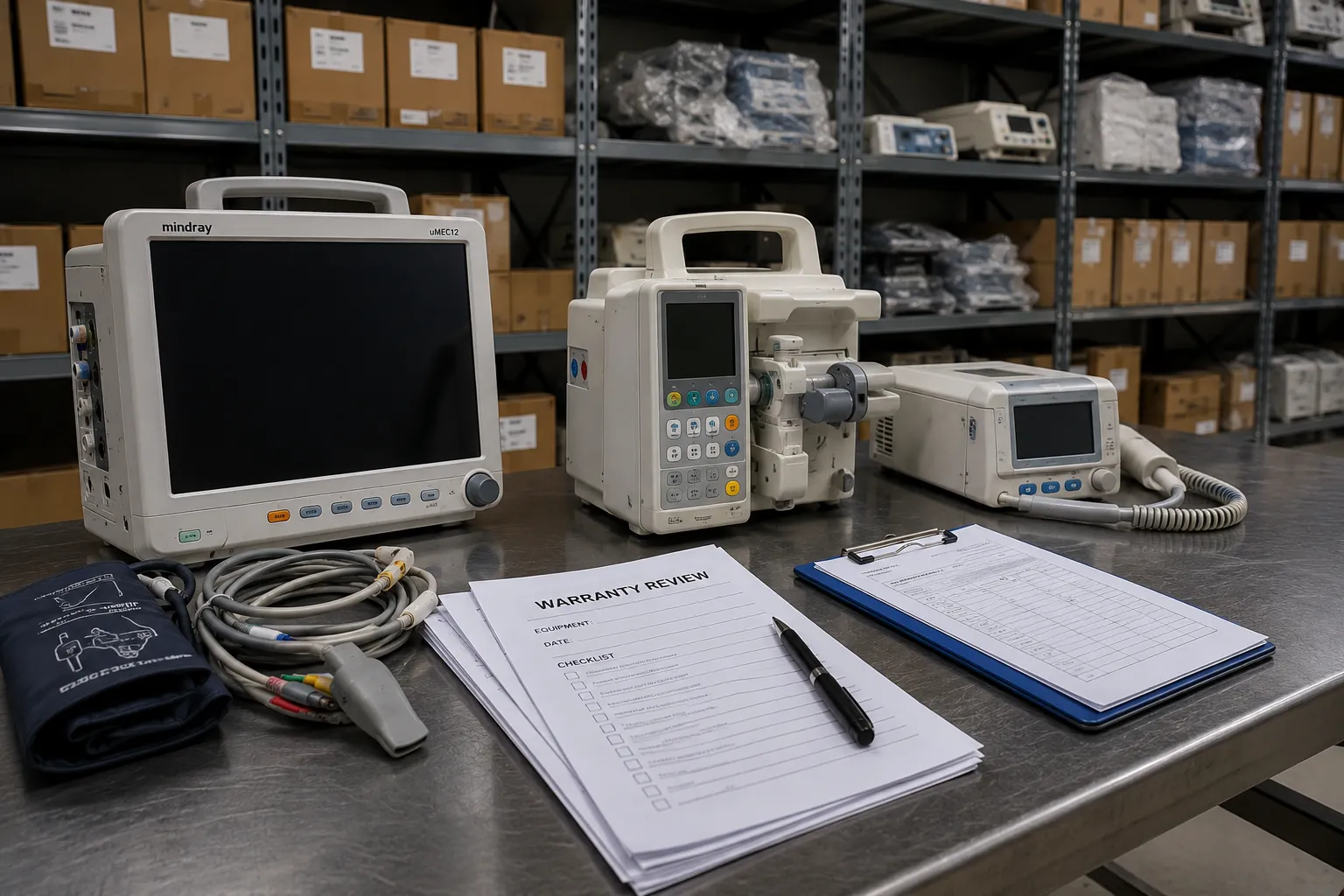
Multiparameter Monitoring- Integrated platforms combine multiple physiological measurements.
Simplifying Patient Observation –Centralised information supports clinical efficiency.
Wireless Monitoring Systems- Cable-free technologies improve patient comfort and accessibility.
Improving Patient Handling – Reduced reliance on cables simplifies routine neonatal care.
Wearable Monitoring Devices- Miniaturised sensors provide continuous observation.
Supporting Gentle Patient Care – Lightweight technologies minimise physical disruption.
Advanced Oxygen Monitoring- Improved sensor technologies enhance performance.
Increasing Measurement Reliability – Advanced systems improve signal quality during patient movement.
Tissue Oxygenation Monitoring- Specialised technologies evaluate oxygen delivery to organs.
Supporting Comprehensive Assessment – Additional physiological information assists healthcare professionals.
Artificial Intelligence and Data Analytics
Artificial intelligence continues expanding within neonatal healthcare.
Analysing Clinical Trends – AI systems review large volumes of patient data to identify emerging patterns.
Supporting Early Warning Systems – Advanced analytics may help recognise patient deterioration sooner.
Improving Resource Allocation – Automated data review supports healthcare workflow efficiency.
Enhancing Clinical Decision Support – Technology complements professional expertise by organising complex information.
Healthcare organisations modernising their digital infrastructure are increasingly exploring AI-enabled healthcare technologies across multiple clinical departments.
Digital Connectivity in Modern NICUs
Monitoring technology increasingly connects with broader healthcare systems.
Automating Clinical Documentation – Electronic data transfer reduces administrative workloads.
Supporting Team Collaboration – Shared patient information improves multidisciplinary communication.
Facilitating Remote Consultation – Specialists can review patient information across healthcare networks.
Strengthening Information Security – Modern systems prioritise the secure management of healthcare data.
Healthcare buyers researching digital healthcare infrastructure may benefit from Medigear.uk's healthcare procurement community, which offers buyer resources, while technology providers can engage via industry supplier networks.
Remote Monitoring and Connected Care
Neonatal healthcare increasingly extends beyond traditional hospital boundaries.
Supporting Regional Healthcare Networks – Remote specialist consultation improves access to expertise.
Improving Patient Transfers – Shared monitoring information supports coordinated care.
Expanding Telehealth Opportunities – Connected technologies strengthen neonatal collaboration.
Enhancing Continuity of Care – Digital systems maintain patient information during transitions between healthcare environments.
Healthcare planners interested in neonatal connectivity often review MedigeaUK educational resources on Transport Incubators, Neonatal Care, and Innovations in Infant Care Equipment as complementary planning topics.
Practical Considerations for Healthcare Facilities
Technology adoption involves several operational factors.
Matching Clinical Demand – Monitoring systems should reflect patient volumes and service capabilities.
Planning Infrastructure Requirements – Electrical, IT, and networking systems should support equipment integration.
Supporting Workforce Development – Ongoing education helps healthcare professionals adapt to new technologies.
Preparing for Future Growth – Scalable monitoring platforms accommodate the expansion of neonatal services.
Healthcare organisations exploring procurement opportunities can benefit from Medigear.uk's buyer community, while suppliers introducing innovative monitoring technologies may find value in supplier collaboration and healthcare partnership initiatives.
Looking Ahead
Several innovations continue influencing neonatal monitoring.
Artificial Intelligence Expansion – Predictive analytics continue advancing.
Fully Wireless Monitoring – Cable-free NICUs may become increasingly common.
Internet of Medical Things (IoMT) – Connected devices strengthen healthcare communication.
Miniaturised Sensor Development – Smaller technologies improve patient comfort.
Cloud-Based Healthcare Platforms – Secure information sharing supports collaborative care.
Personalised Monitoring Strategies – Future systems may adapt to individual patient characteristics.
Conclusion
Advances in neonatal monitoring technology continue transforming newborn healthcare by improving patient observation, strengthening clinical workflows, and supporting earlier intervention. Multiparameter monitoring, wireless sensors, wearable technologies, artificial intelligence, digital integration, and connected healthcare systems are helping healthcare professionals manage increasingly complex neonatal environments while maintaining patient safety and operational efficiency.
As neonatal medicine evolves, monitoring technology will likely become even more integrated, intelligent, and adaptable. Healthcare organisations that invest in scalable, connected monitoring solutions will be better positioned to support high-quality neonatal care and prepare for future healthcare challenges.
Buyer Insights
Selecting neonatal monitoring technology involves balancing clinical performance, operational efficiency, and long-term scalability. Healthcare facilities increasingly evaluate monitoring platforms as part of broader NICU infrastructure planning rather than standalone equipment purchases.
Aligning Equipment with Clinical Demand – Monitoring capabilities should reflect patient acuity levels, neonatal bed capacity, and anticipated service expansion.
Prioritising Interoperability – Systems that integrate with existing monitoring platforms and digital healthcare infrastructure simplify clinical workflows.
Evaluating Future Upgrade Paths – Expandable software and modular hardware support evolving healthcare requirements without requiring a complete system replacement.
Considering Lifecycle Investment – Procurement decisions should include installation, consumables, maintenance agreements, software updates, accessories, and staff education.
Healthcare organisations exploring neonatal technology investments may find value in Medigear.uk's healthcare buyer community through its specialised buyer resources, which support informed procurement planning.
Maintenance & Operational Insights
Reliable neonatal monitoring depends on structured maintenance programs and operational readiness.
Protecting Monitoring Accuracy – Routine calibration supports dependable physiological measurements.
Maintaining Sensor Performance – Regular inspection of cables, probes, and wearable components reduces unexpected equipment issues.
Managing Software Updates – Modern monitoring platforms require cybersecurity and functionality improvements throughout their lifecycle.
Supporting Continuous Power Availability – Battery testing and backup systems help maintain uninterrupted monitoring during emergencies.
Strengthening Staff Competency – Ongoing education improves equipment utilisation and helps reduce operational errors.
Healthcare facilities that require technical assistance and long-term service planning can access additional guidance from the Medigear.uk customer support team.
Industry Trends
Intelligent Monitoring Ecosystems- Connected monitoring technologies continue improving neonatal healthcare delivery.
Supporting Centralised Observation – Integrated platforms simplify patient management across NICUs.
Artificial Intelligence- AI applications continue expanding in neonatal medicine.
Improving Clinical Awareness – Data analysis supports earlier recognition of physiological changes.
Wireless Patient Monitoring- Cable-free technologies improve patient comfort.
Enhancing Healthcare Workflows – Wireless systems simplify patient handling and routine care.
Telehealth Collaboration- Remote consultation capabilities continue growing.
Expanding Specialist Access – Connected healthcare networks strengthen neonatal care coordination.
Sustainable Healthcare Technology- Healthcare providers increasingly value environmentally responsible equipment.
Supporting Operational Efficiency – Energy-conscious technologies contribute to long-term sustainability in healthcare.
Healthcare innovators and technology providers interested in collaborative opportunities may explore Medigear.uk's healthcare partnership initiative and supplier network with an advertising healthcare platform.
Disclaimer
Medigear.uk is a medical equipment supplier and distributor. We do not provide medical advice, diagnosis, or treatment recommendations. All information is for educational and product awareness purposes only. Qualified medical professionals should always make healthcare decisions.