
Screening Young Children
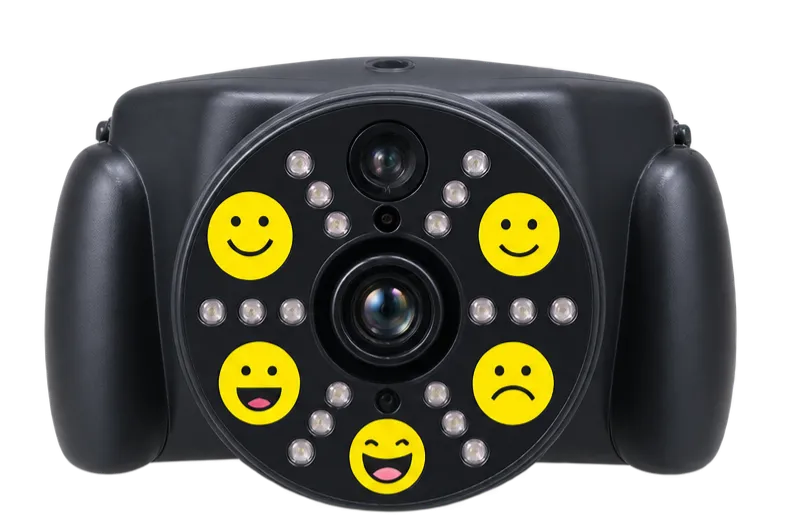
The instrument requires no verbal response, no letter chart and no cooperation beyond looking toward a flashing light with an accompanying sound. That is what allows pre verbal and pre literate children to be screened at all. Measurement at one metre also keeps the instrument away from the child's face, which matters with children who will not tolerate an instrument close to their face, and who cannot be persuaded otherwise.
Community and School Sessions
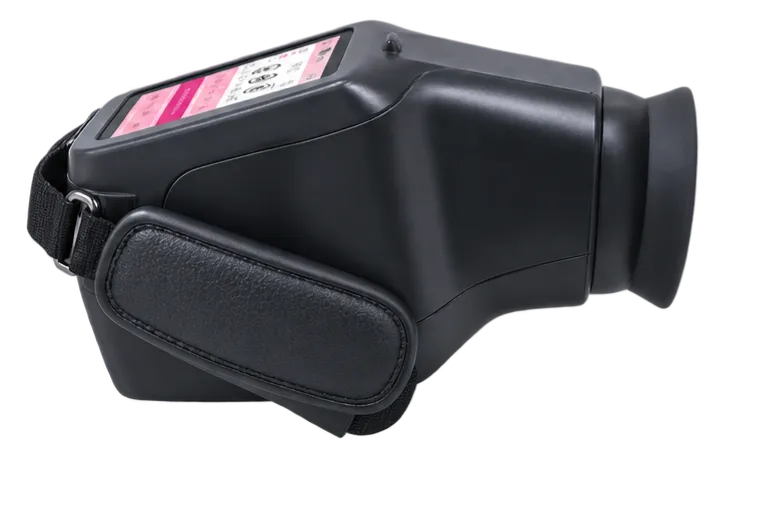
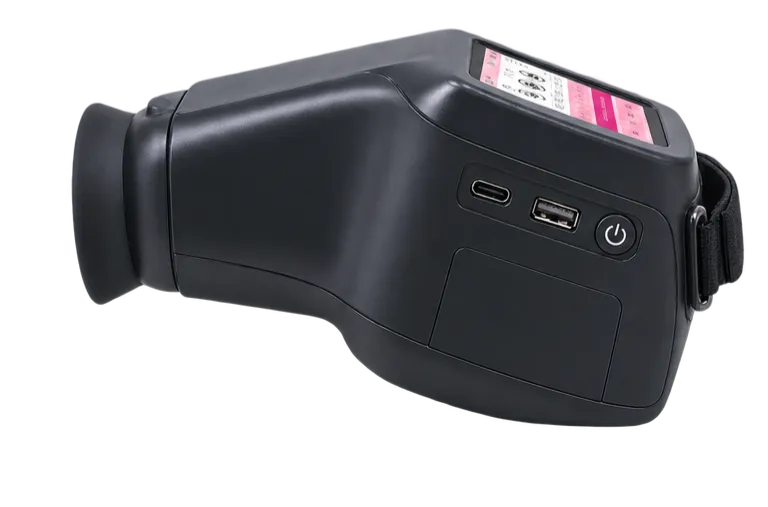
At 0.8kg with a 6 hour replaceable battery, the unit works through a session away from any mains supply. A school, nursery or community clinic can screen a full list and carry the results away, with Wi-Fi or USB transfer afterwards. Camera tripods appear among the optional accessories, which suits a fixed screening station set up for a morning in a hall or a classroom.
Practice Pre Screening
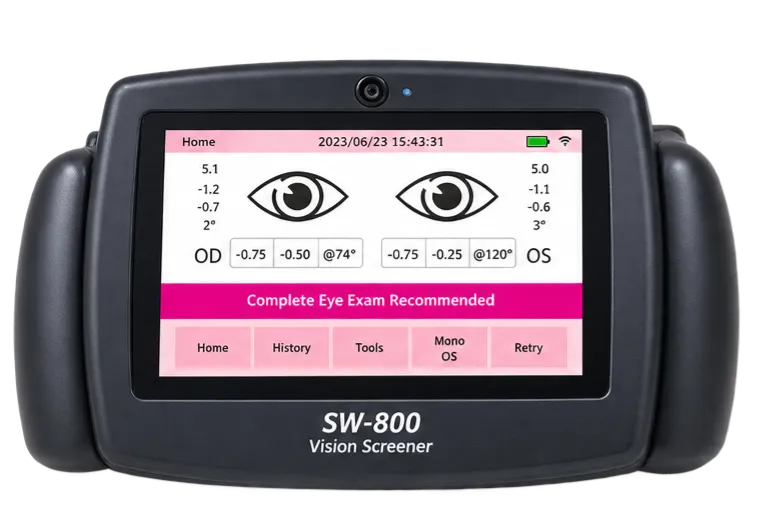
In an optical practice the instrument gives a rapid objective indication before a full examination, which is useful with patients who are difficult to refract conventionally. The manufacturer lists detection of myopia, hyperopia, astigmatism, strabismus, anisometropia, pupil size variation, asymmetric fixation and abnormal light reflection among the screening outputs, which between them cover the common amblyopia risk factors seen in children.
Supporting Referral Decisions
Because the instrument records figures rather than impressions, a referral can be accompanied by measured values for sphere, cylinder, axis, pupil size, pupil distance and fixation direction. A receiving clinician then has something concrete to work from, and a repeat screening at a later date can be set against the original record from the first visit.