
Infants and Very Young Children
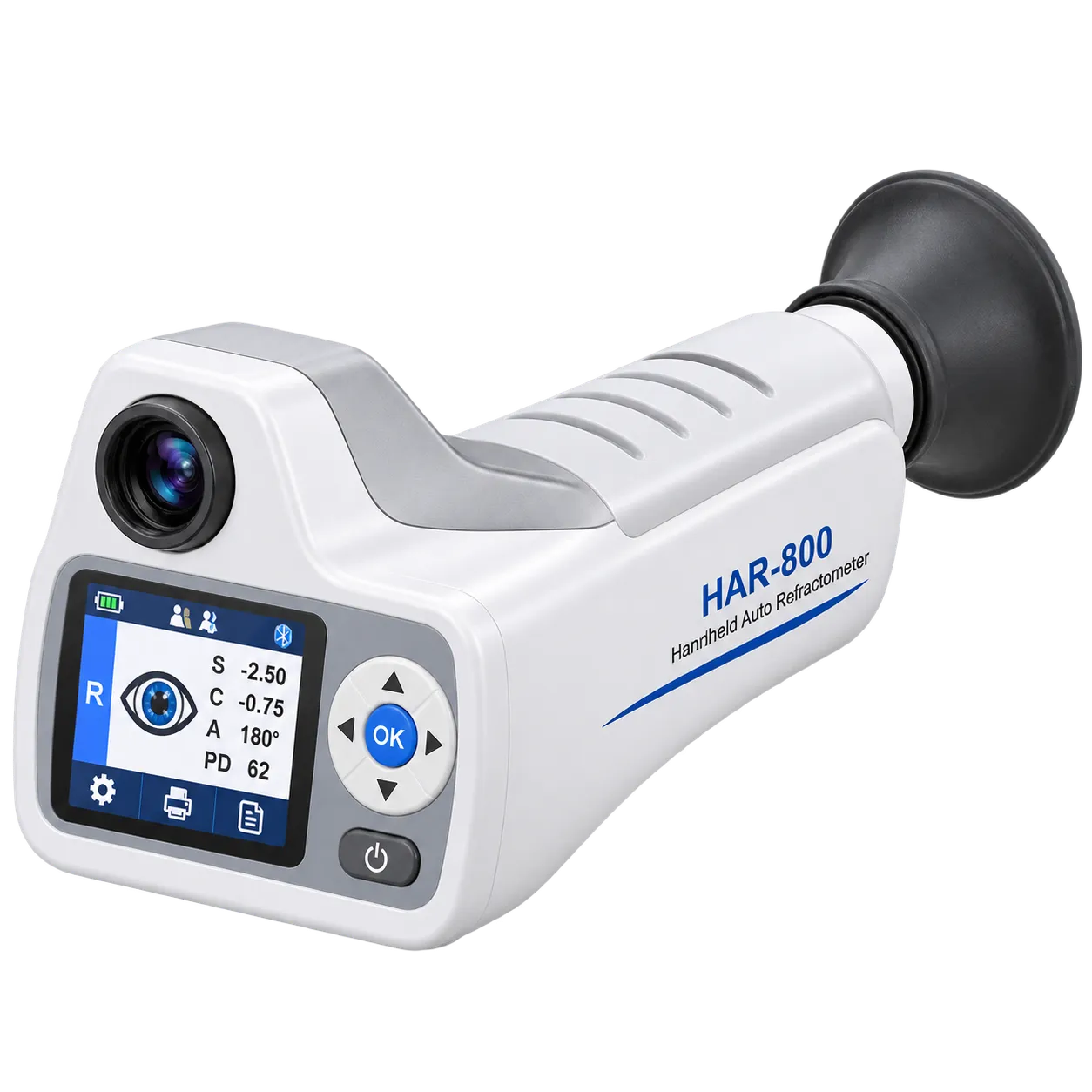
A dedicated infant mode, non contact operation at 35cm, two second acquisition and flashing lights with music are all aimed at the same problem: measuring a child who cannot be instructed, will not sit still and may object to anything touching them. Every one of those features addresses a real obstacle rather than an imagined one, which is what makes this instrument credible for paediatric use rather than merely marketed toward it.
Patients With a Language Barrier
The manufacturer names language barriers specifically, and the reasoning is sound. An objective measurement needs no question asked and no answer understood, so the same reading is obtainable regardless of what language a patient speaks. For services working with refugee, migrant or multilingual populations, that removes a genuine practical obstacle to screening people properly, rather than turning them away untested.
Community and Outreach Screening
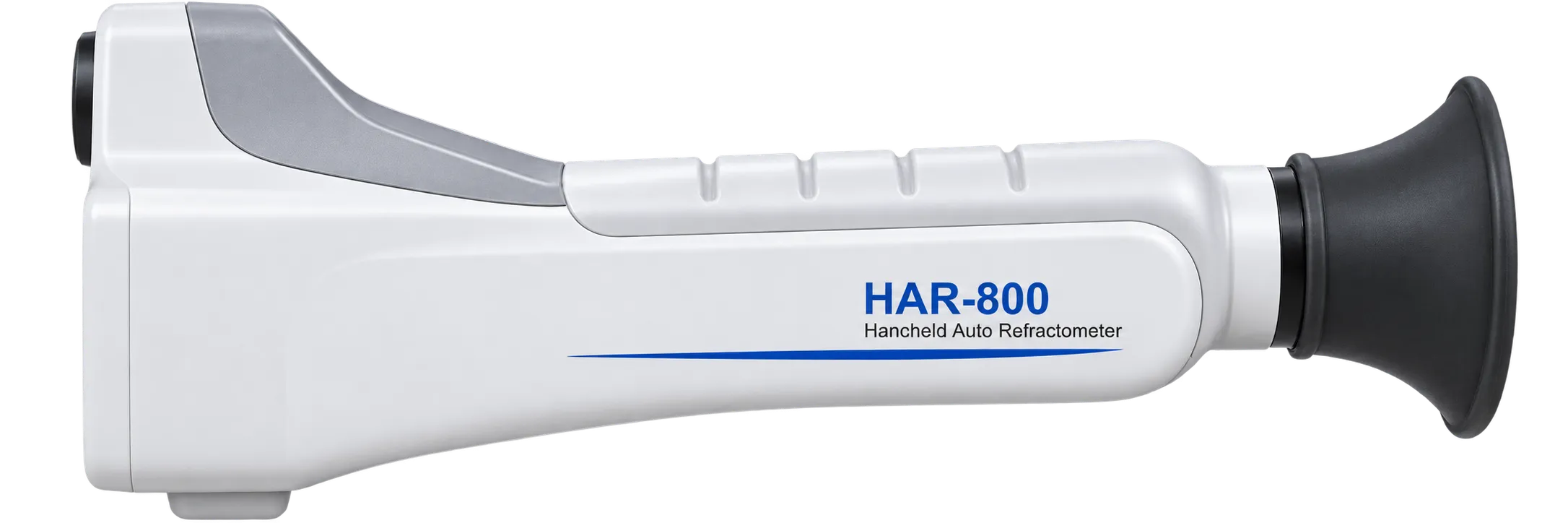
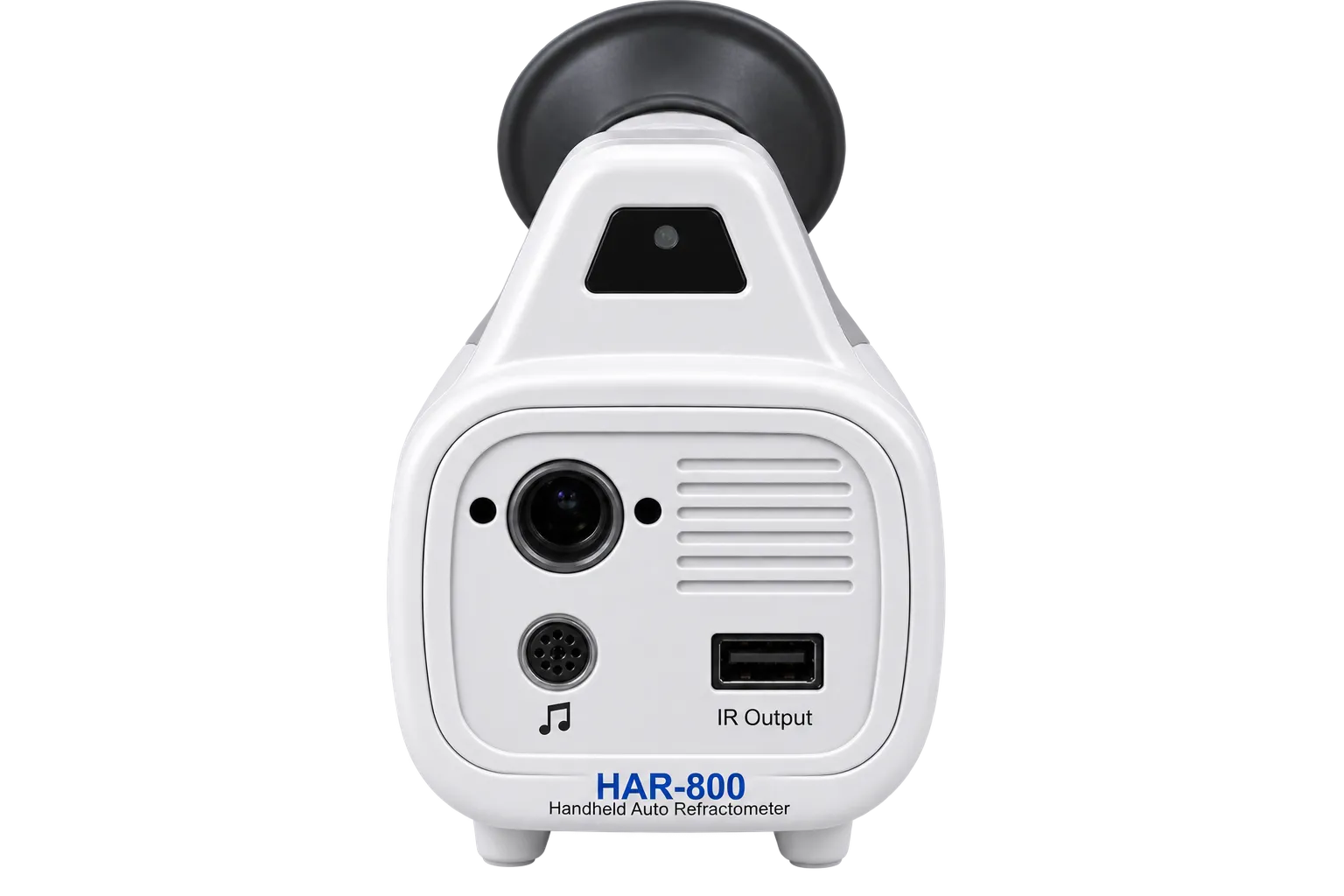
Battery life beyond 6 hours with a warning at 15 minutes remaining supports a full session away from mains power, and an infrared printer means a record can be produced on the spot without a cable. Ultrasonic ranging with audible hints helps a non specialist operator hold the correct distance, which matters when screening is delivered by trained assistants rather than by optometrists working from a clinic room.
Supporting Referral
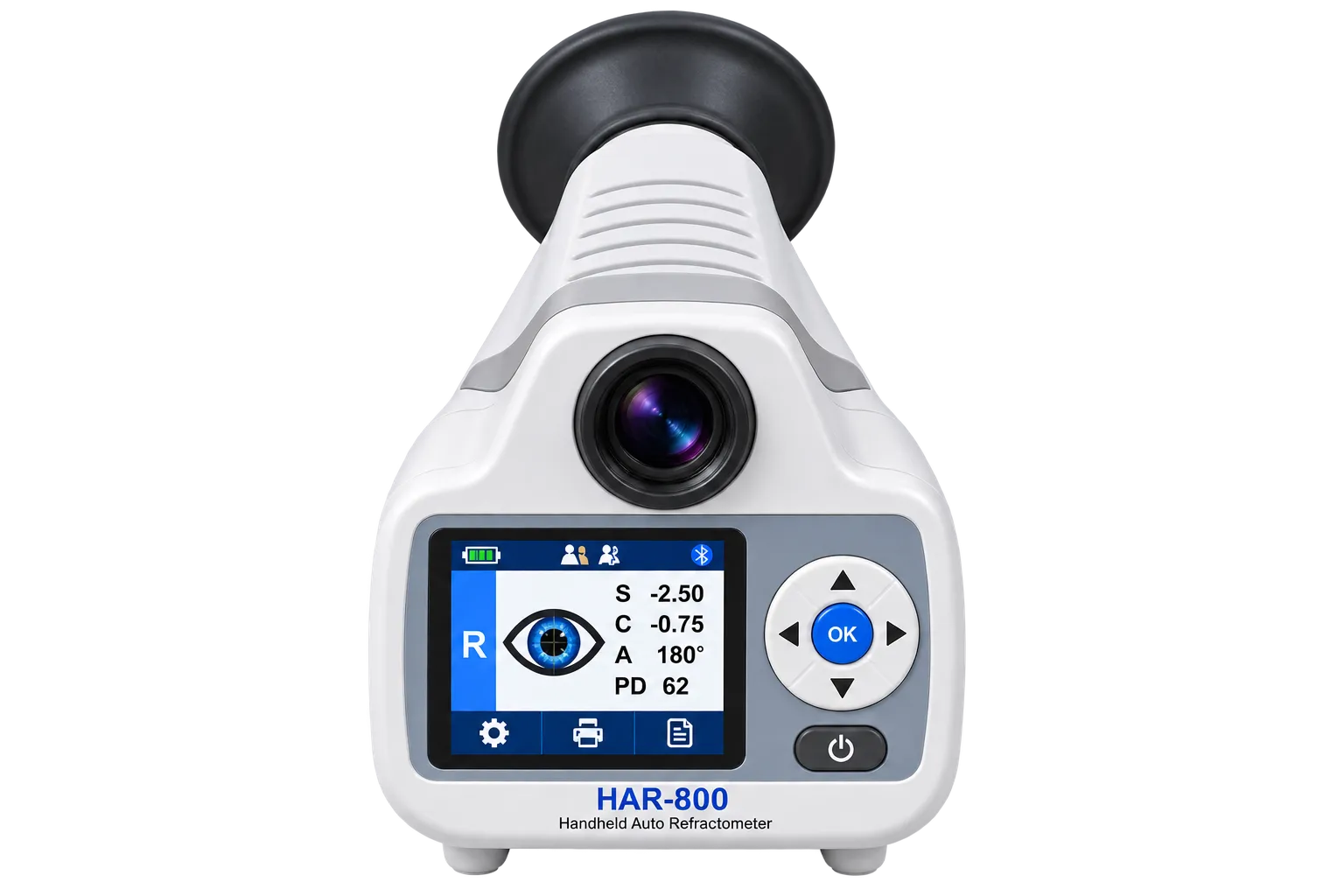
The manufacturer lists detection covering myopia, hyperopia, astigmatism, axial orientation and anisometropia. Recorded figures for sphere, cylinder and axis give a referral measured content, and the banded axis tolerance means the axis figure is tightest exactly where a significant cylinder makes it clinically relevant to a prescribing decision later on.