
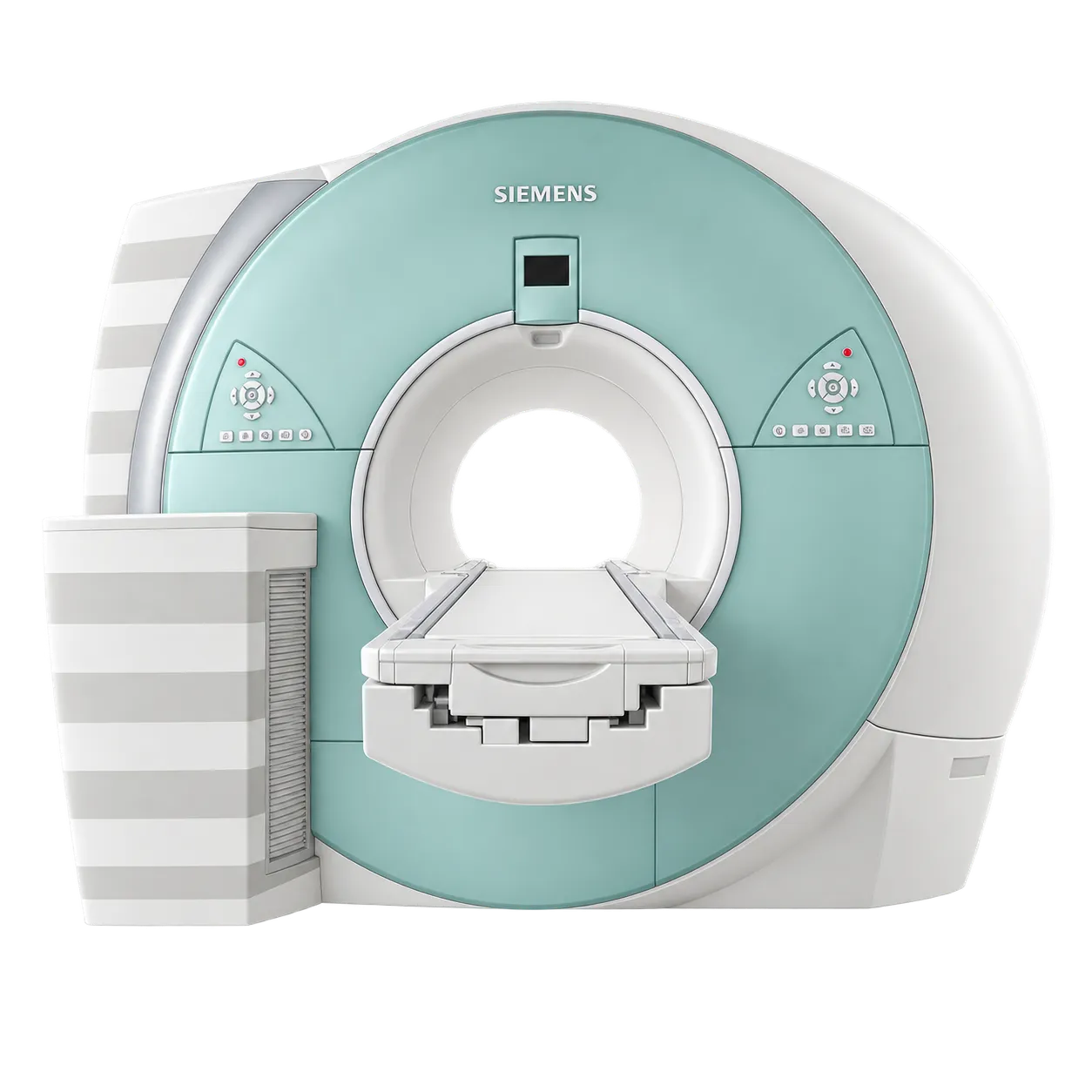
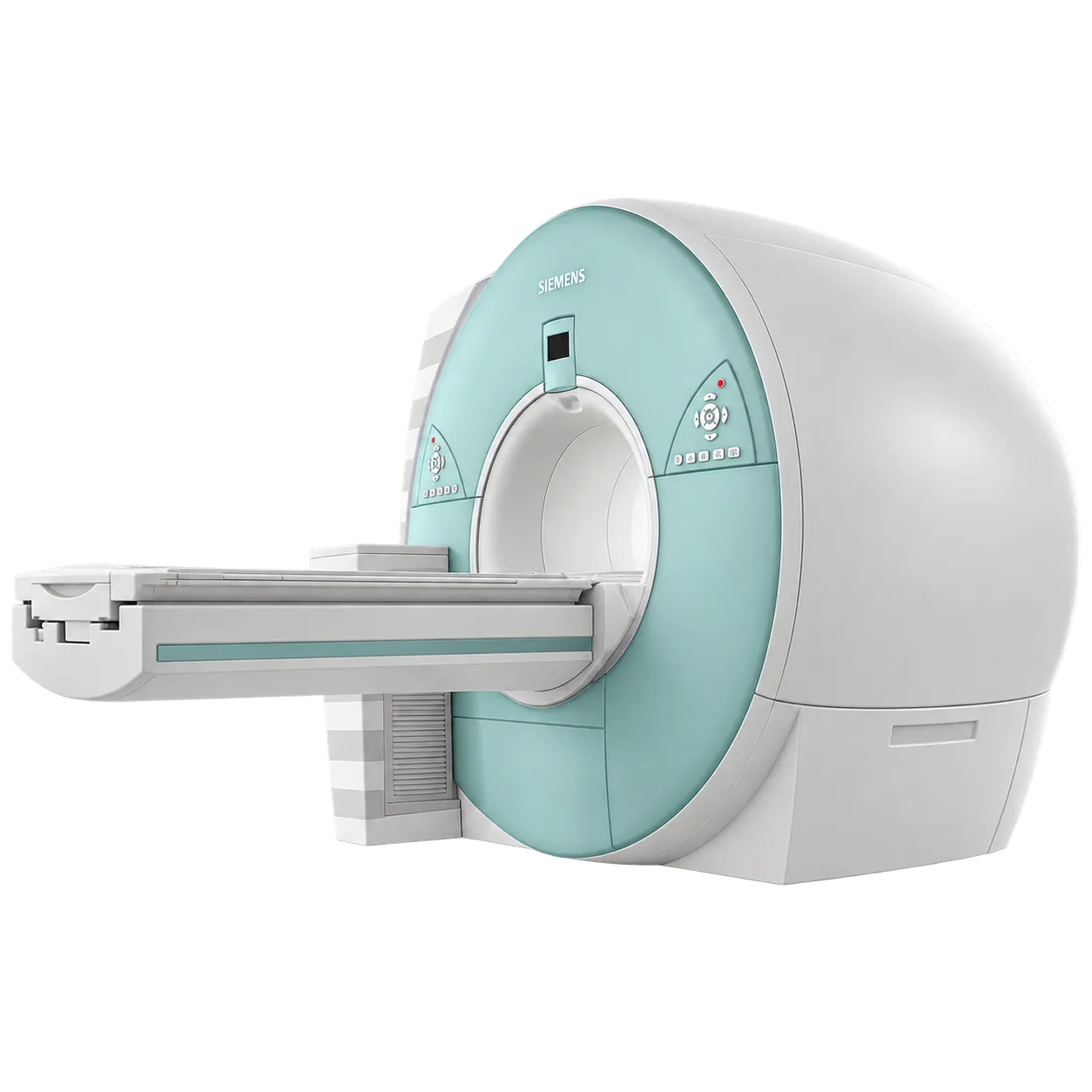
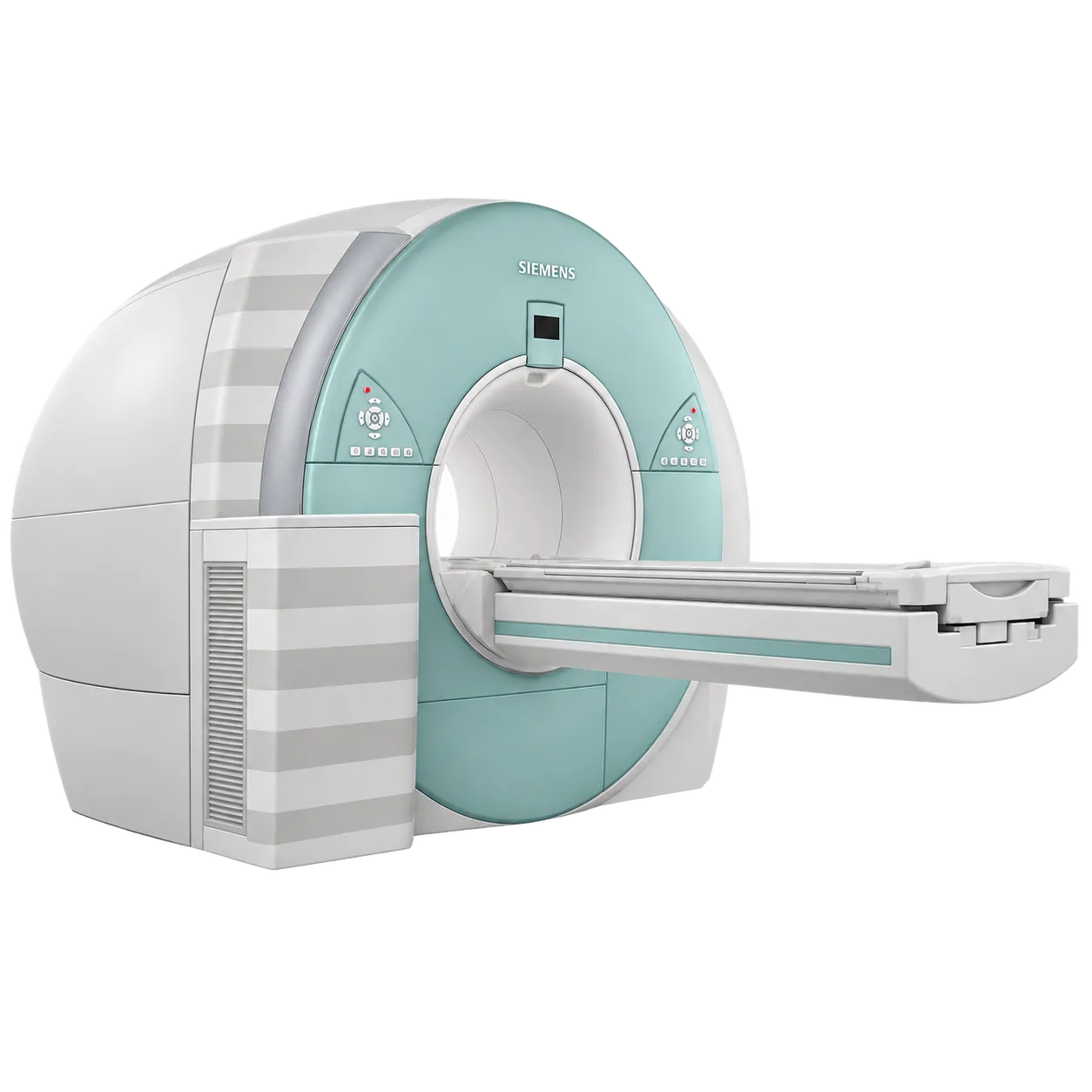
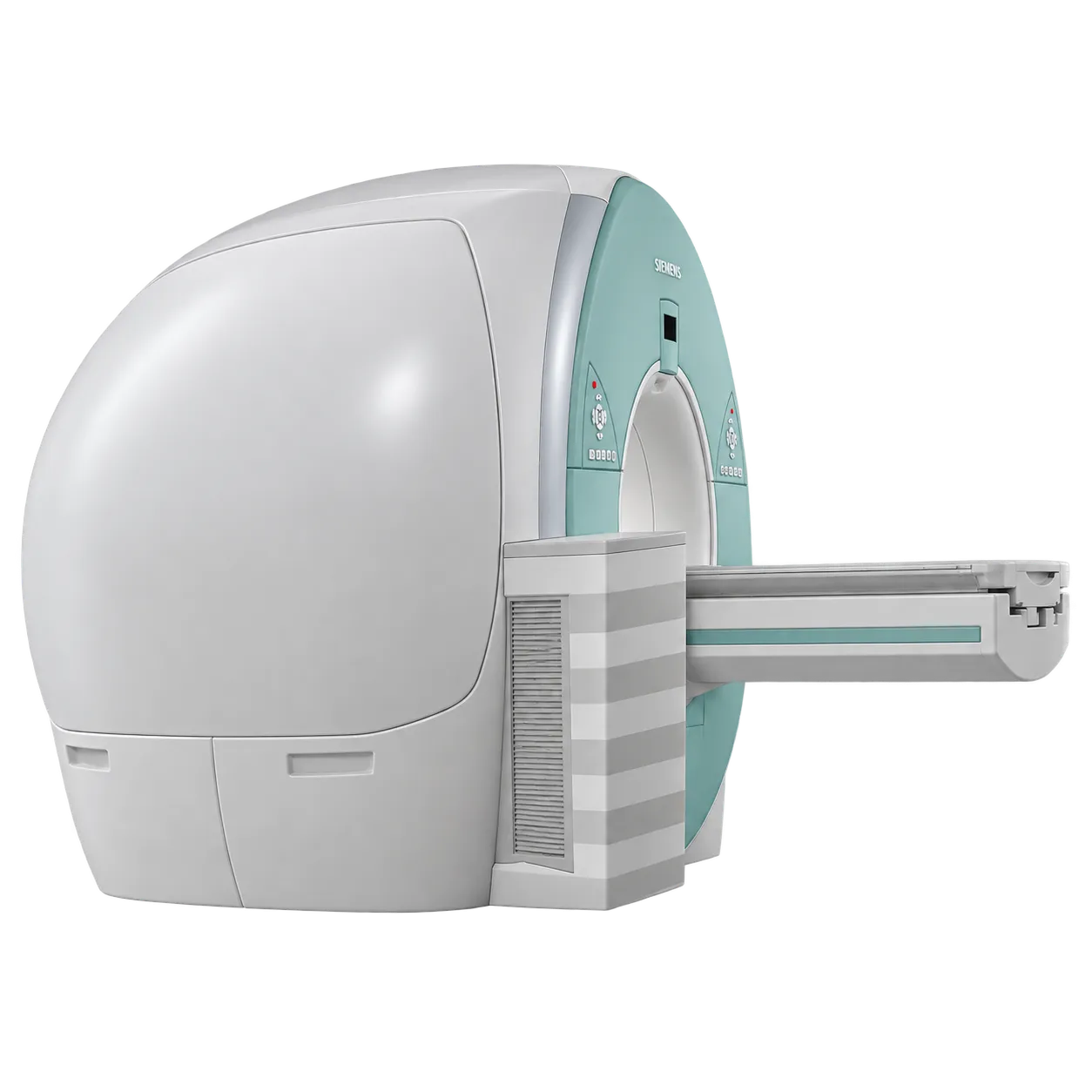
General diagnostic magnetic resonance imaging across neurological, spinal, musculoskeletal, abdominal, pelvic, vascular and oncological work is what this platform serves, at full 1.5 Tesla. All clinical judgement, including whether an examination is justified and how findings are interpreted, remains with the referring and reporting clinicians, and Medigear.uk supplies configuration and condition detail rather than clinical guidance.
Anxious and claustrophobic patients are the group the geometry most obviously serves. Where a service currently loses examinations to intolerance, converts them to sedation, or refers them onward, a short bore that leaves the head outside for many examinations addresses the cause directly.
Larger patients who cannot be accommodated in a conventional 60 cm bore represent a referral stream many services currently send elsewhere. A 70 cm bore with an appropriate table rating widens what a service can accept rather than refer.
Paediatric work benefits from reduced enclosure and better sightlines, which lowers the proportion of children requiring sedation or general anaesthesia to complete an examination.
Interventional and guided procedures benefit from the working access a wider bore provides, where a conventional bore leaves little or none.
Services planning capacity should note that this platform removes the usual reason for operating a separate low-field system alongside a conventional one. Tolerance and access are addressed within a single scanner that retains complete clinical scope, which is simpler to staff, site and support than two machines.