
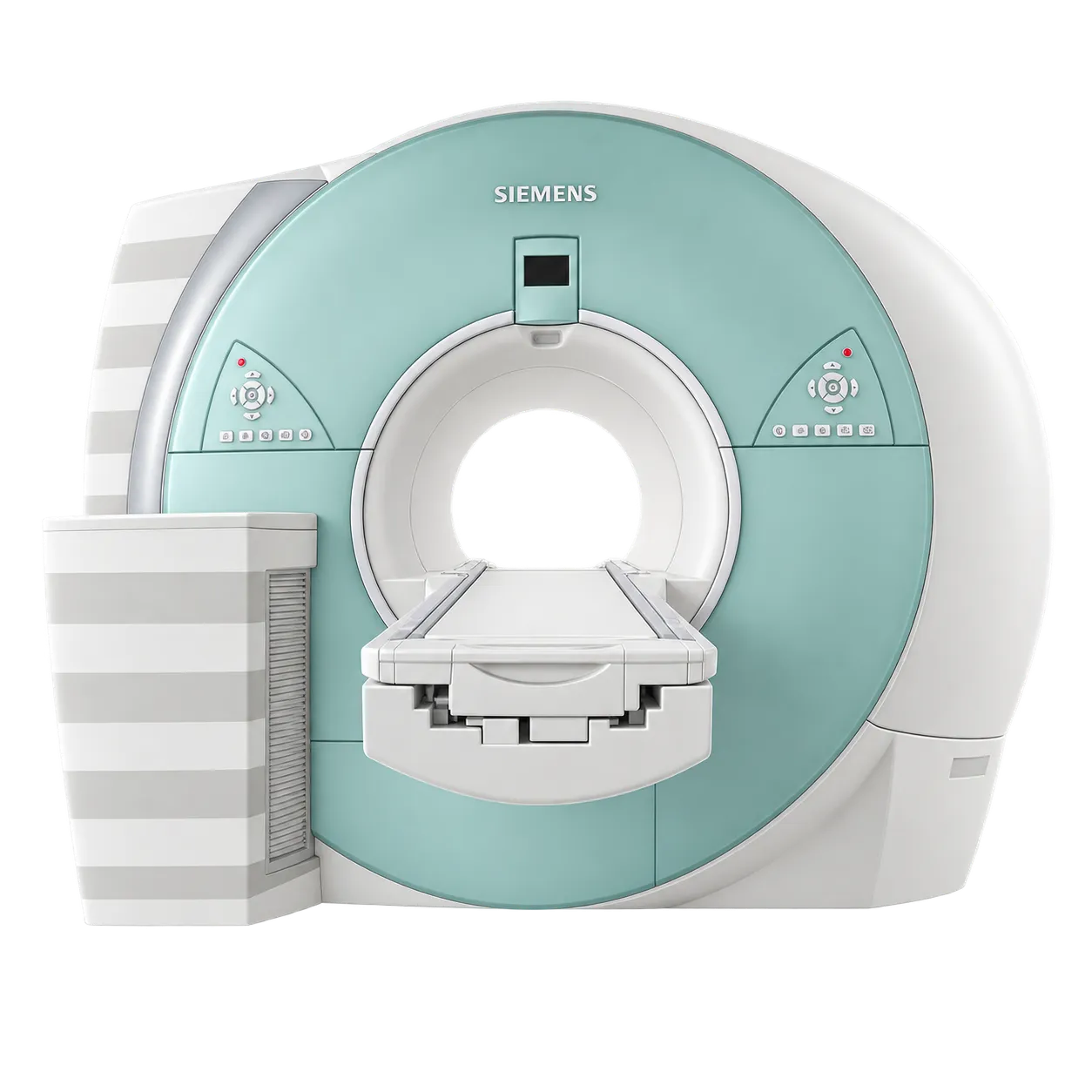
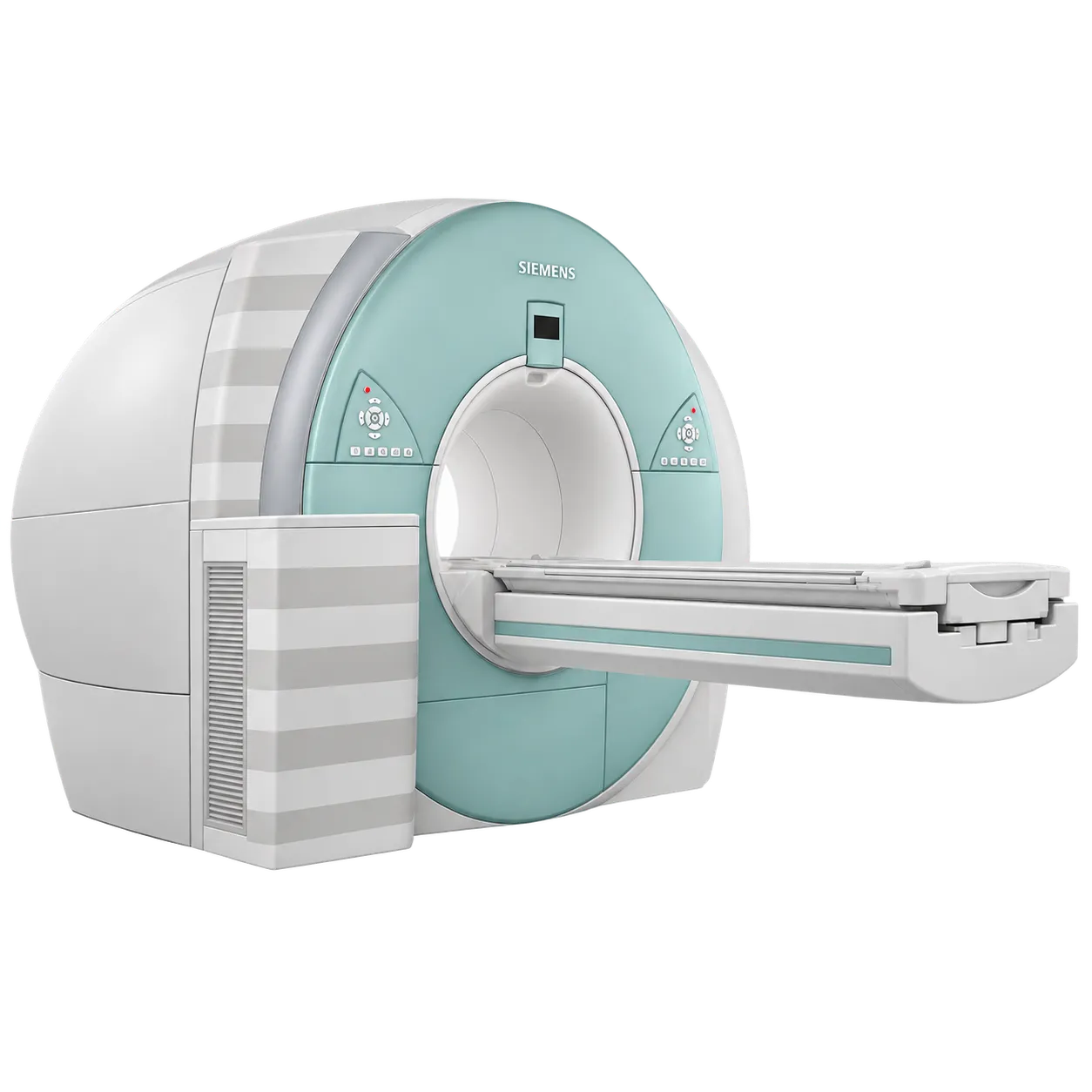
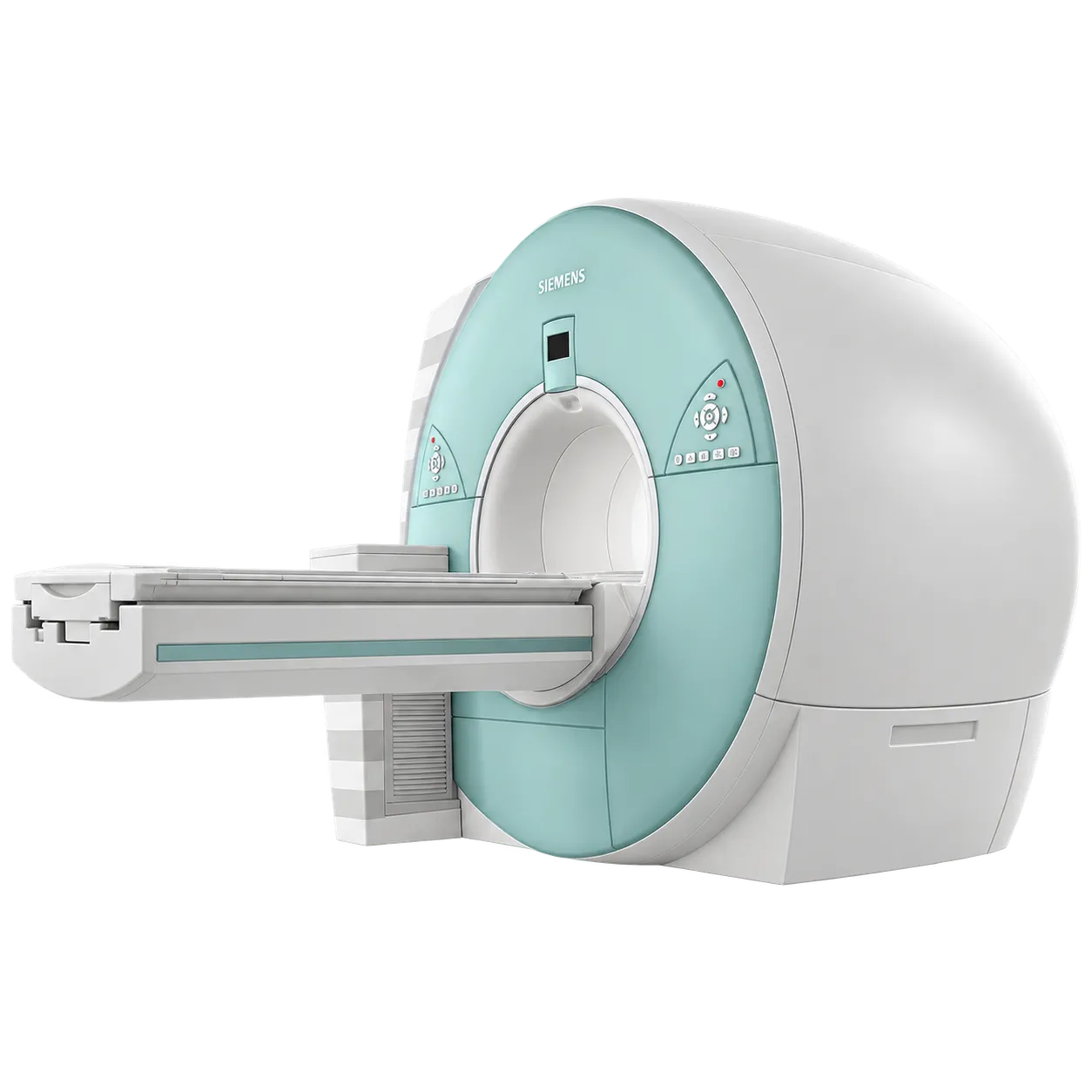
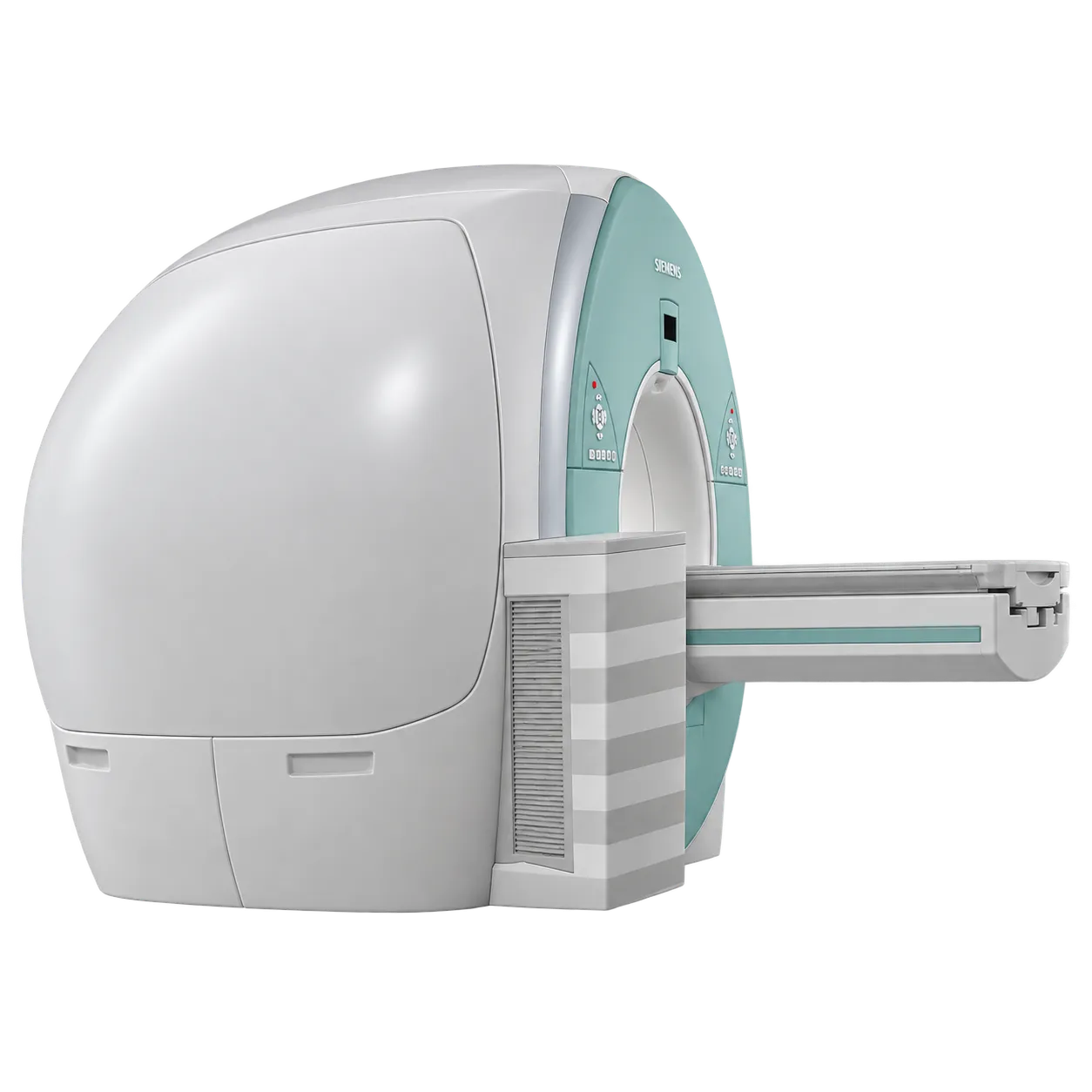
General diagnostic magnetic resonance imaging across neurological, spinal, musculoskeletal, abdominal, pelvic, vascular and oncological work is what this platform serves, at full 1.5 Tesla. All clinical judgement, including whether an examination is justified and how findings are interpreted, remains with the referring and reporting clinicians, and Medigear.uk supplies configuration and condition detail rather than clinical guidance.
Continuity of service is where a second matched unit contributes most directly. Cold head maintenance, gradient and RF faults, chiller failures and helium interventions all take a scanner offline, and a department with only one machine cancels lists and outsources urgent work. A second unit on the same platform absorbs that without a change in working practice.
Serial and follow-up imaging benefits from matched configuration, since oncological monitoring and neurological follow-up depend on the current study being comparable with the previous one regardless of which scanner the patient attended.
Parallel demand is the other case. Inpatient, outpatient and urgent workloads frequently peak together, and two scanners allow a service to run more than one list at a time rather than queueing everything behind a single machine.
Larger and claustrophobic patients are served by the platform's bore geometry across both units, which means a service does not have to route those referrals to one particular machine or day.
Services planning capacity should weigh a second matched unit against the recurring cost of outages, cancellations and outsourced urgent work rather than against the specification of a newer standalone scanner. Medigear.uk supplies the compatibility, coil, magnet and installation position so the comparison rests on operational figures.