
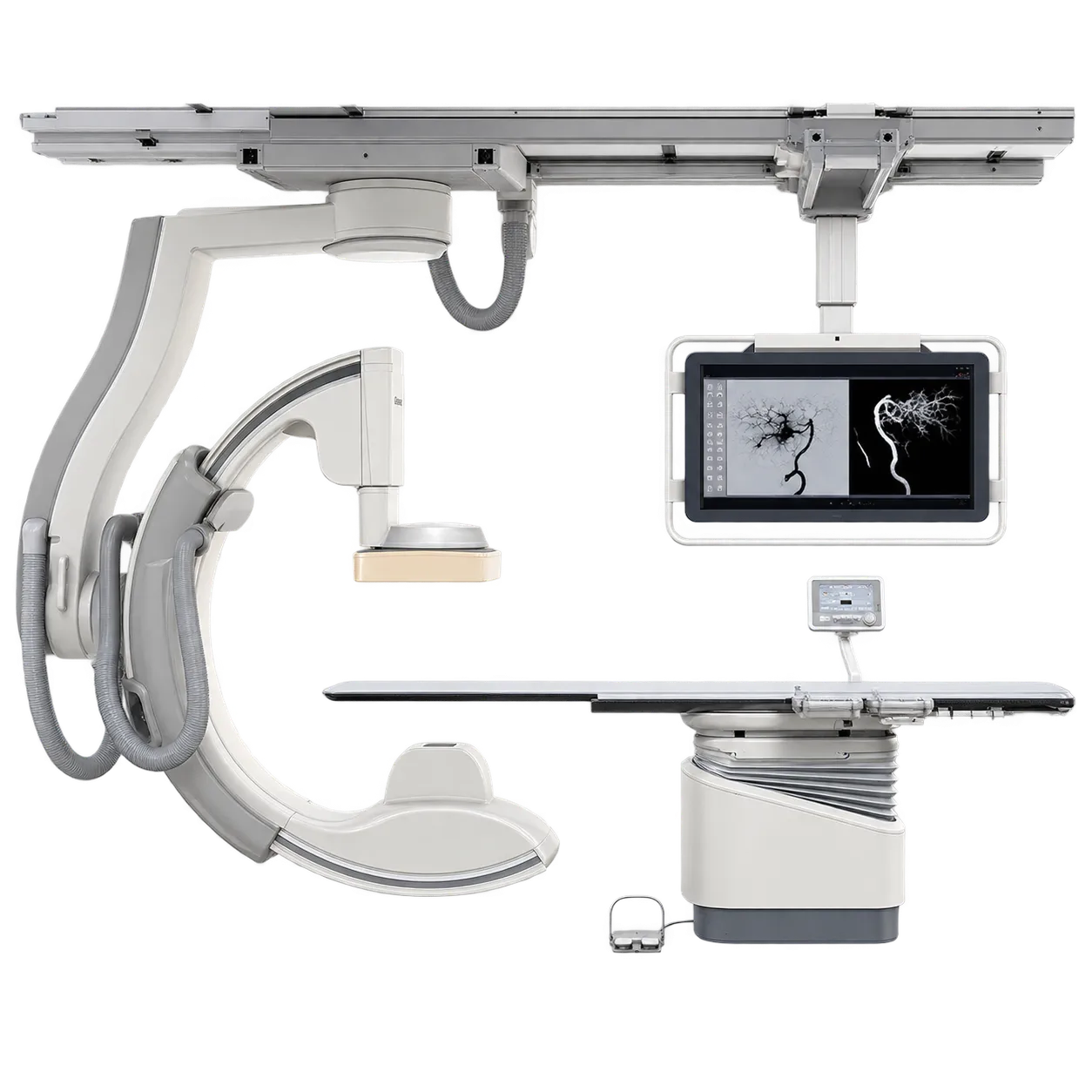
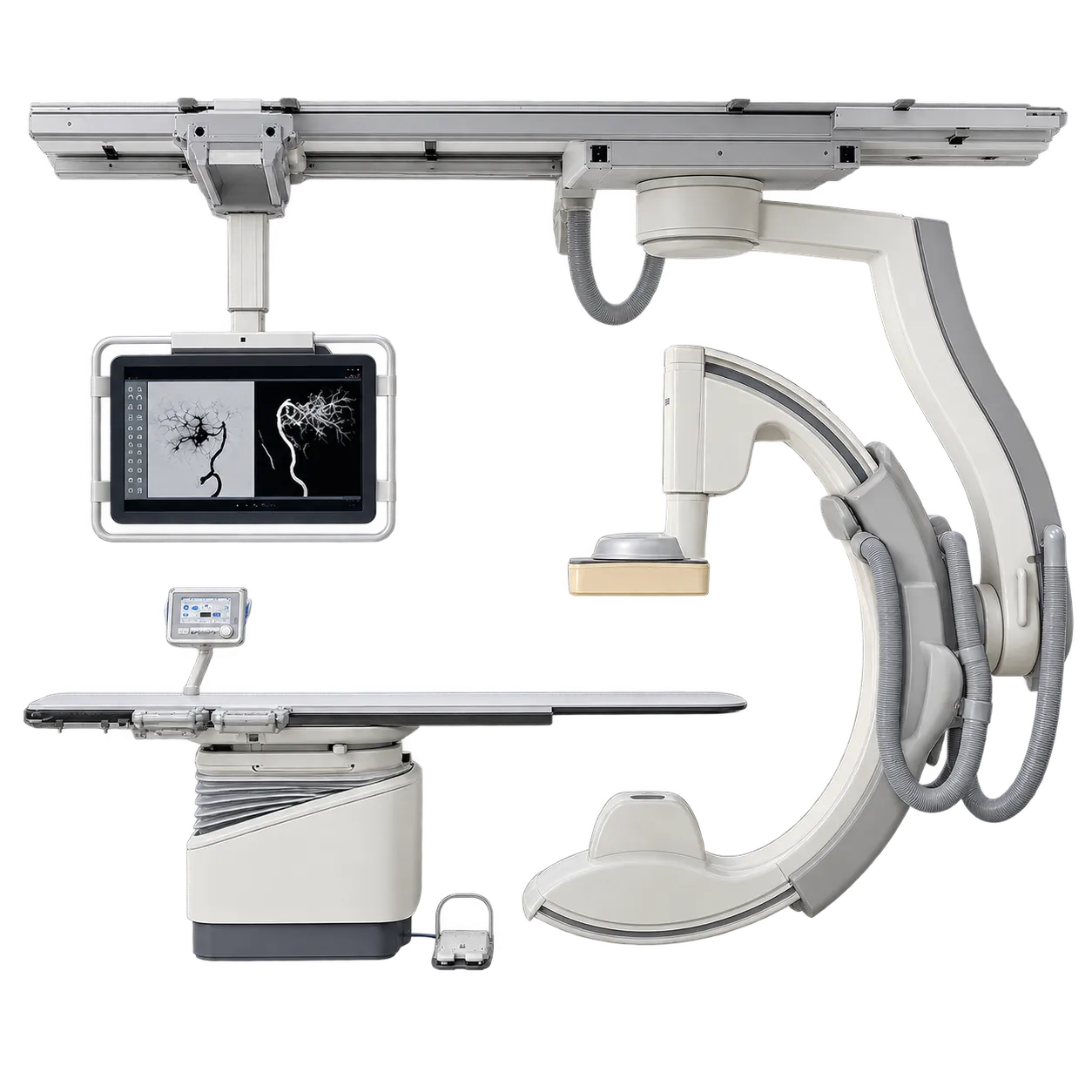
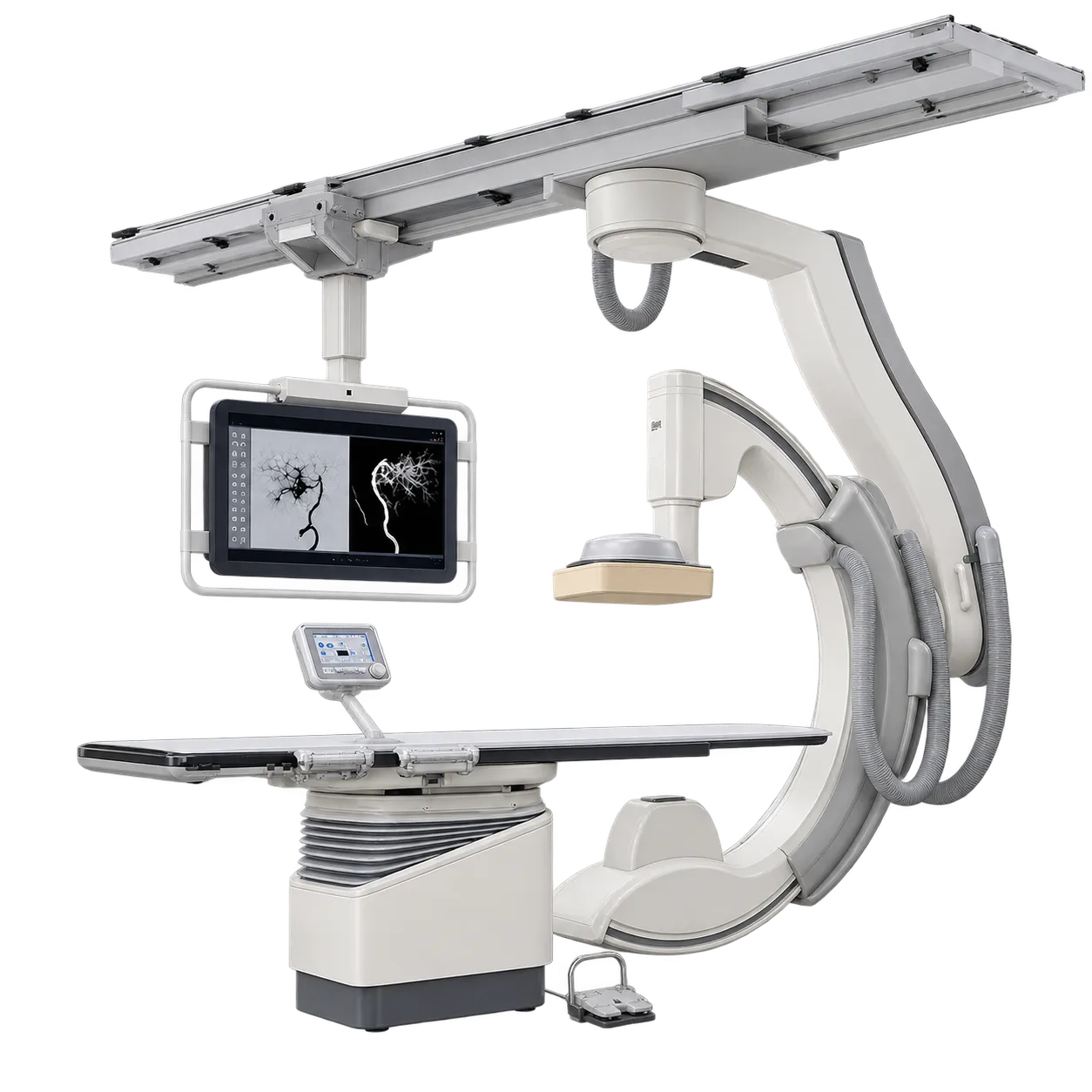
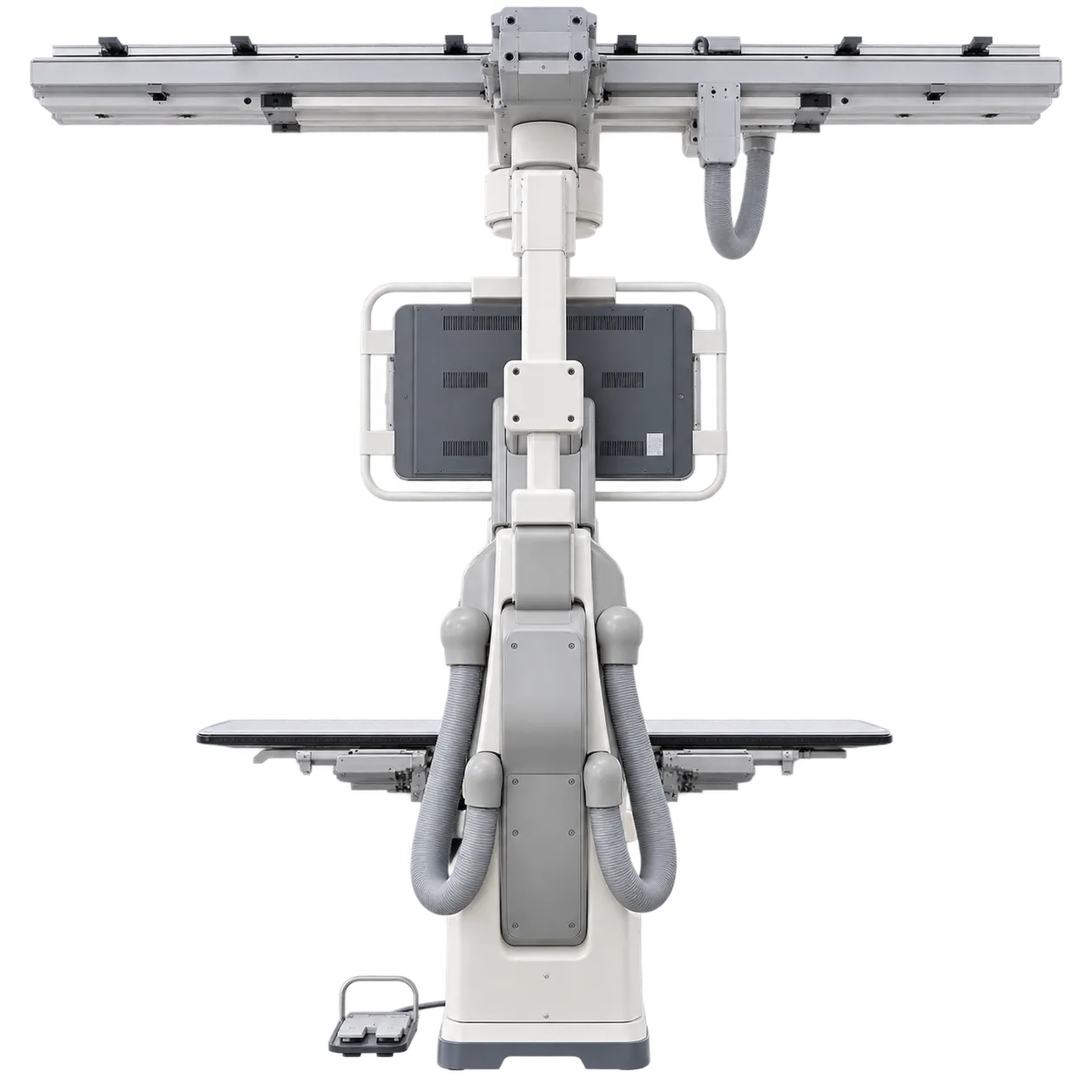
Cardiac catheterisation and coronary angiography are the core of what a flat detector interventional laboratory of this configuration serves, alongside the interventional procedures a service builds around it. All clinical judgement, including whether a procedure is indicated and how it is conducted, remains with the clinical team, and Medigear.uk supplies configuration and condition detail rather than clinical guidance.
Diagnostic angiography benefits from a system whose tube has recently been renewed, since image quality and reliability across a long list depend on a tube operating well within its working life rather than near the end of it.
Interventional procedures place the heaviest demand on the system, combining sustained fluoroscopy with repeated acquisition runs across a single case, which is precisely the pattern that consumes tube life and makes a recent replacement valuable.
Services establishing interventional capability for the first time are a natural fit, since the acquisition cost of an earlier generation room with a renewed tube is far below a current platform while the clinical function is intact.
Second laboratory and capacity roles suit the platform equally. Where a service needs a second room to absorb overflow, provide continuity during service on the principal laboratory, or support a growing list, a well supported room at a modest capital cost is a better answer than a flagship standing idle.
Services should note that this is an earlier generation platform without the dose reduction features associated with later systems, and Medigear.uk states that plainly so the room is matched to the intended work.