
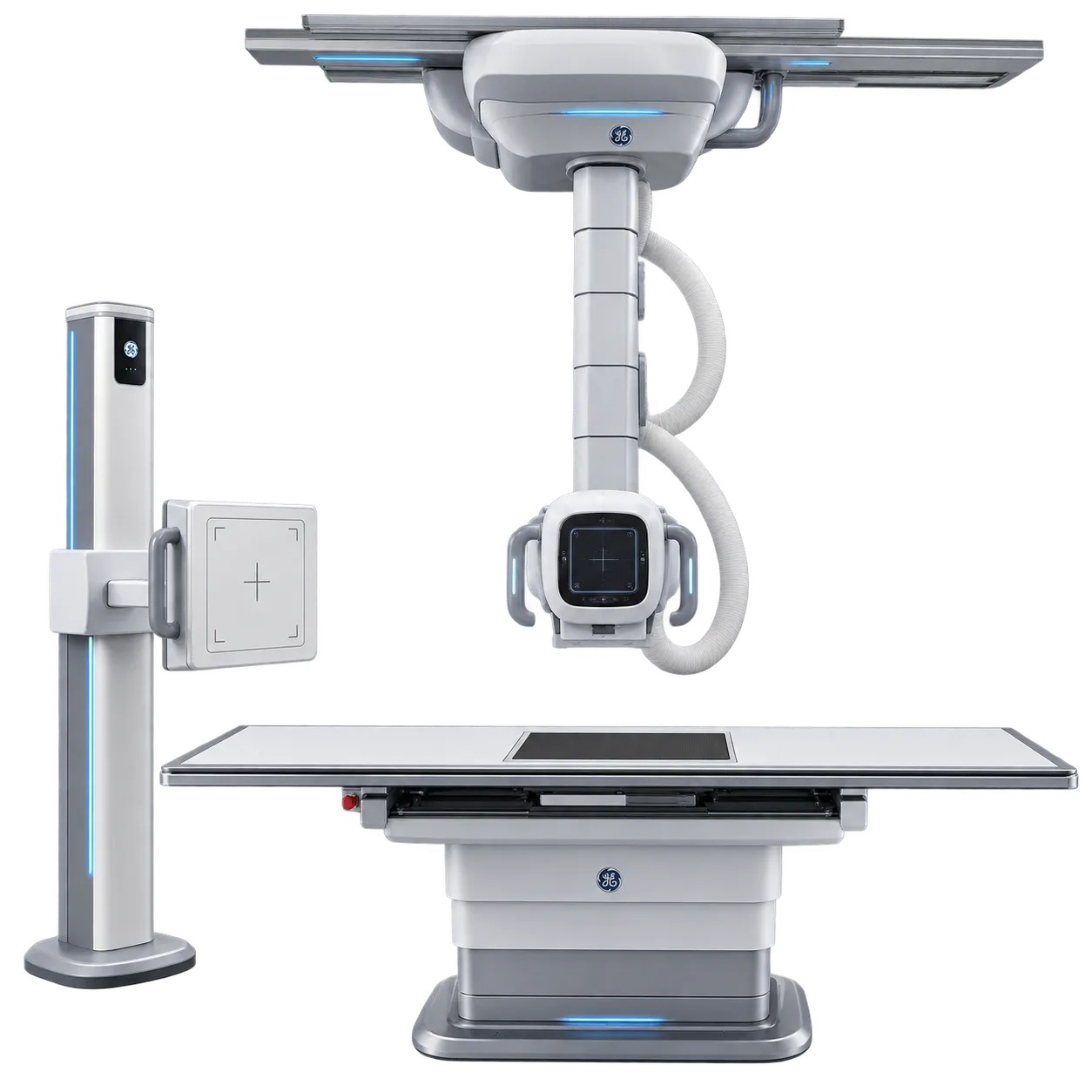
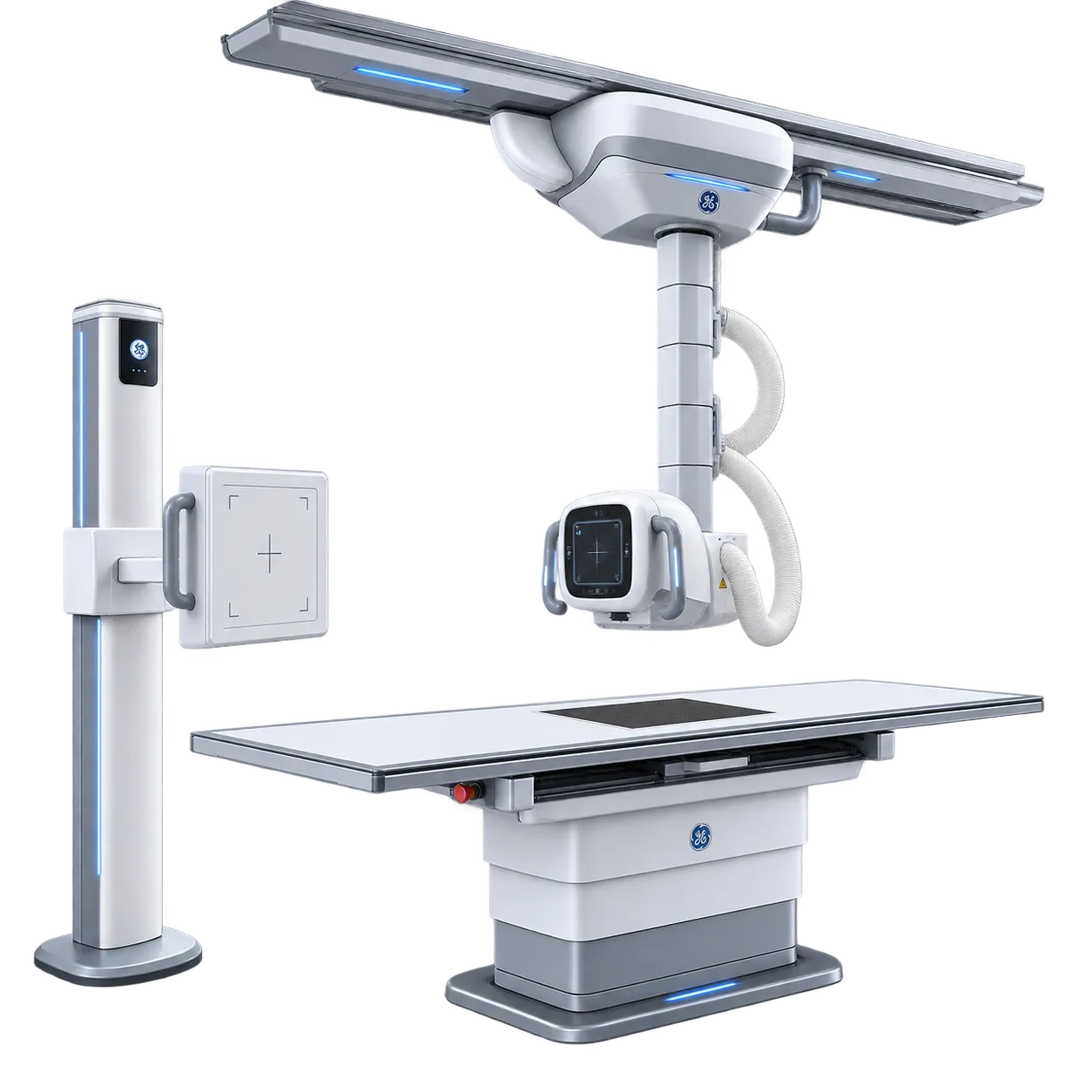
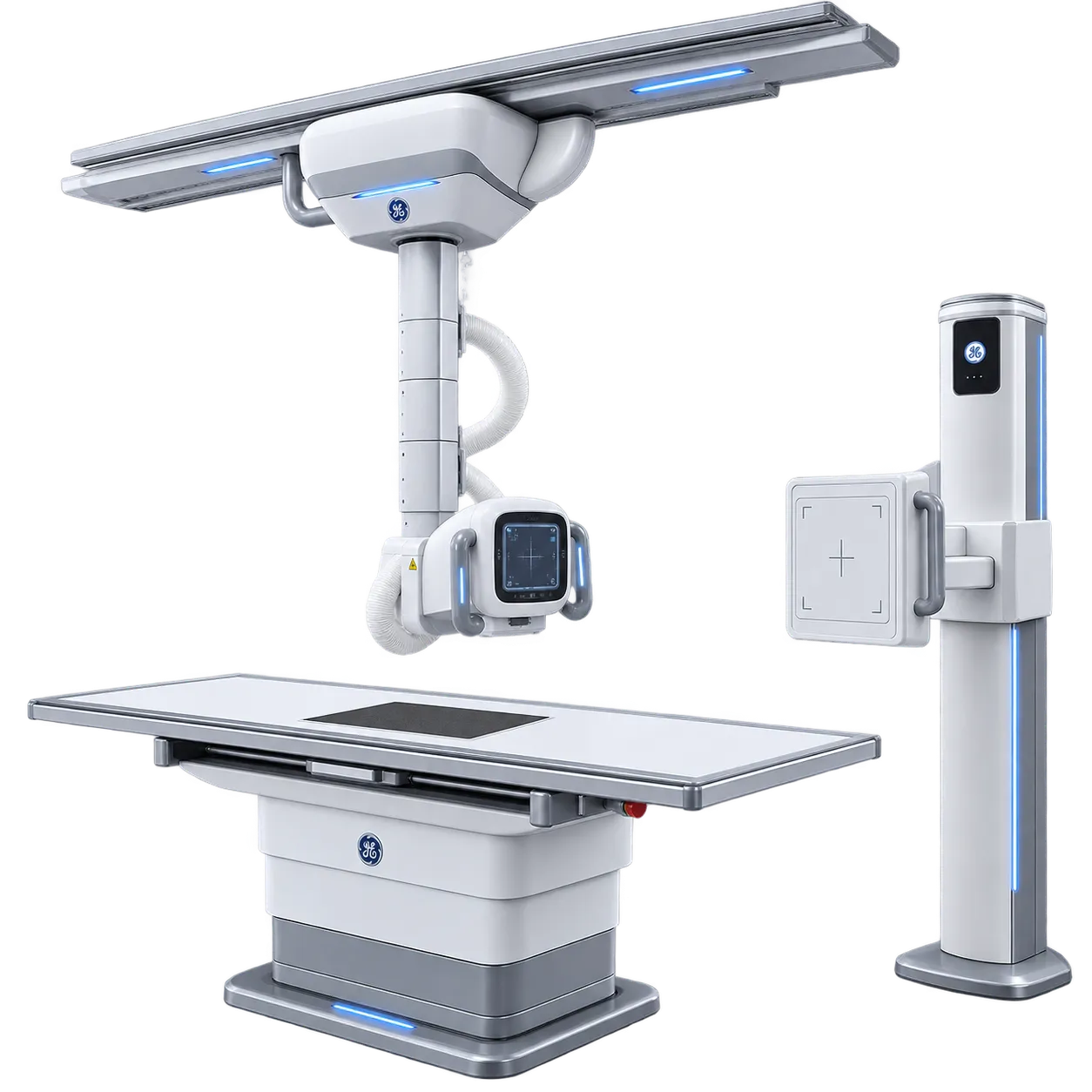
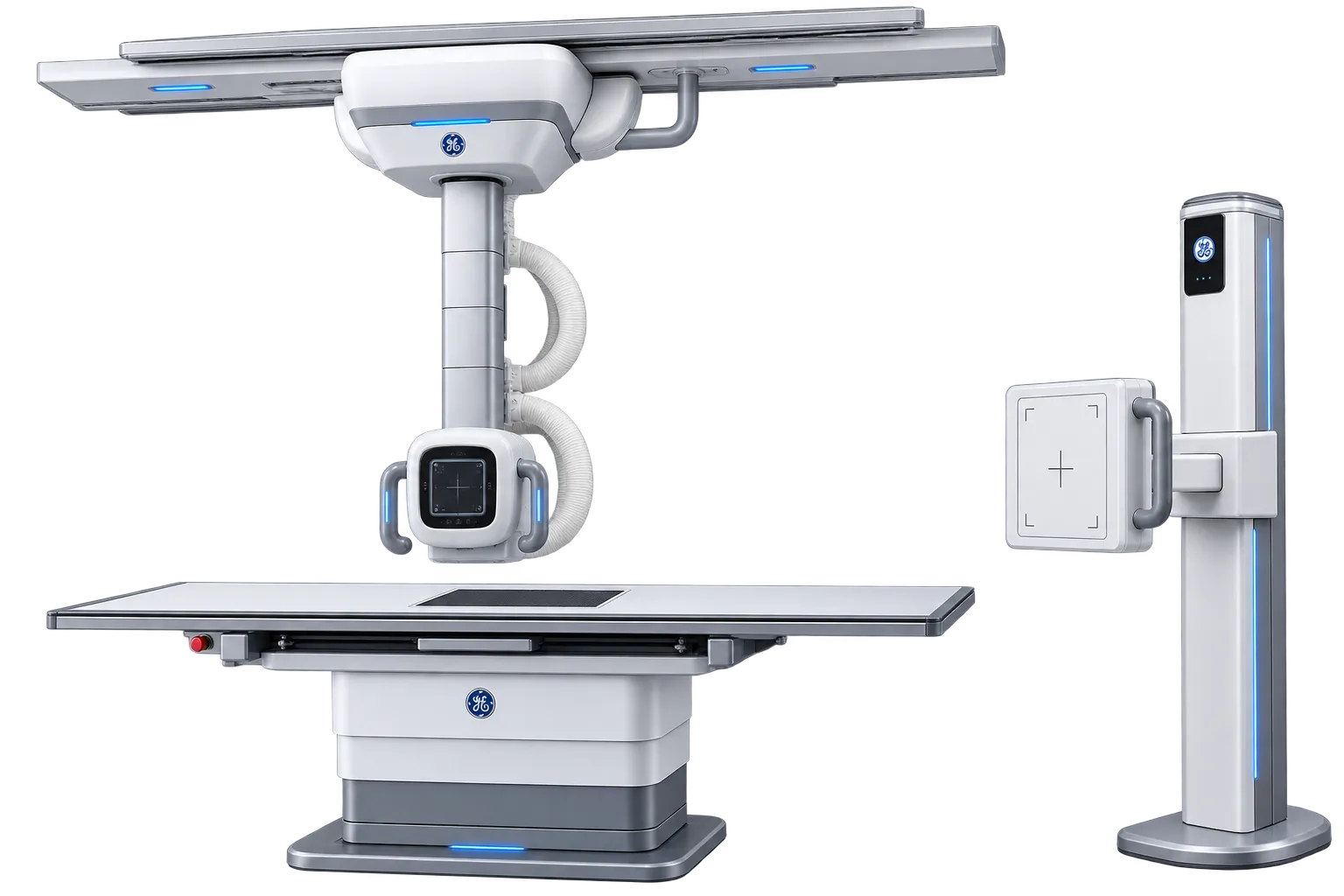
General diagnostic radiography across chest, abdomen, pelvis, spine, extremity and skeletal work is what this room serves, at the volumes typical of a district general department, an outpatient imaging centre or a busy private practice. All clinical judgement, including whether an examination is justified and at what exposure, remains with the referring and reporting clinicians and the department's medical physics support, and Medigear.uk supplies configuration and condition detail rather than clinical guidance.
Paediatric imaging is where detector efficiency contributes most, since children are more radiosensitive and departments already work to minimise exposure. Better panel performance gives that effort further room.
Surveillance imaging benefits across the series rather than the single examination. Scoliosis follow-up, chronic respiratory monitoring and other long-term programmes accumulate dose over years, and a per-exposure reduction compounds accordingly.
Intensive care chest series place the same pattern into a shorter timeframe, with daily films on the same patient making the per-exposure figure a cumulative one.
High-volume general work benefits simply through repetition, since a small reduction applied across a full list and a full year is a substantial total.
Departments working formally against diagnostic reference levels are well served by equipment that allows comfortable operation below reference levels rather than at them, which is a stronger position when reviewing practice.