
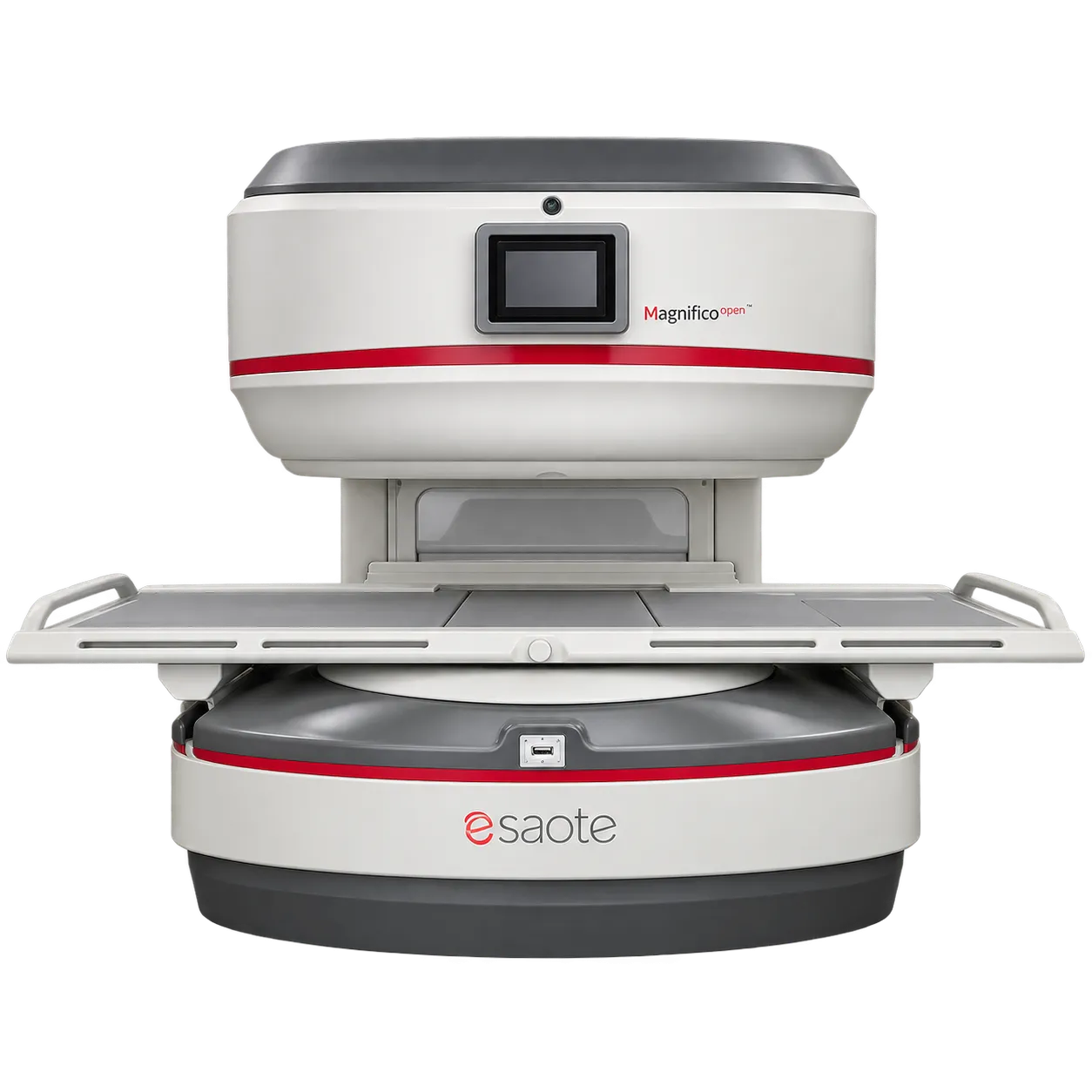
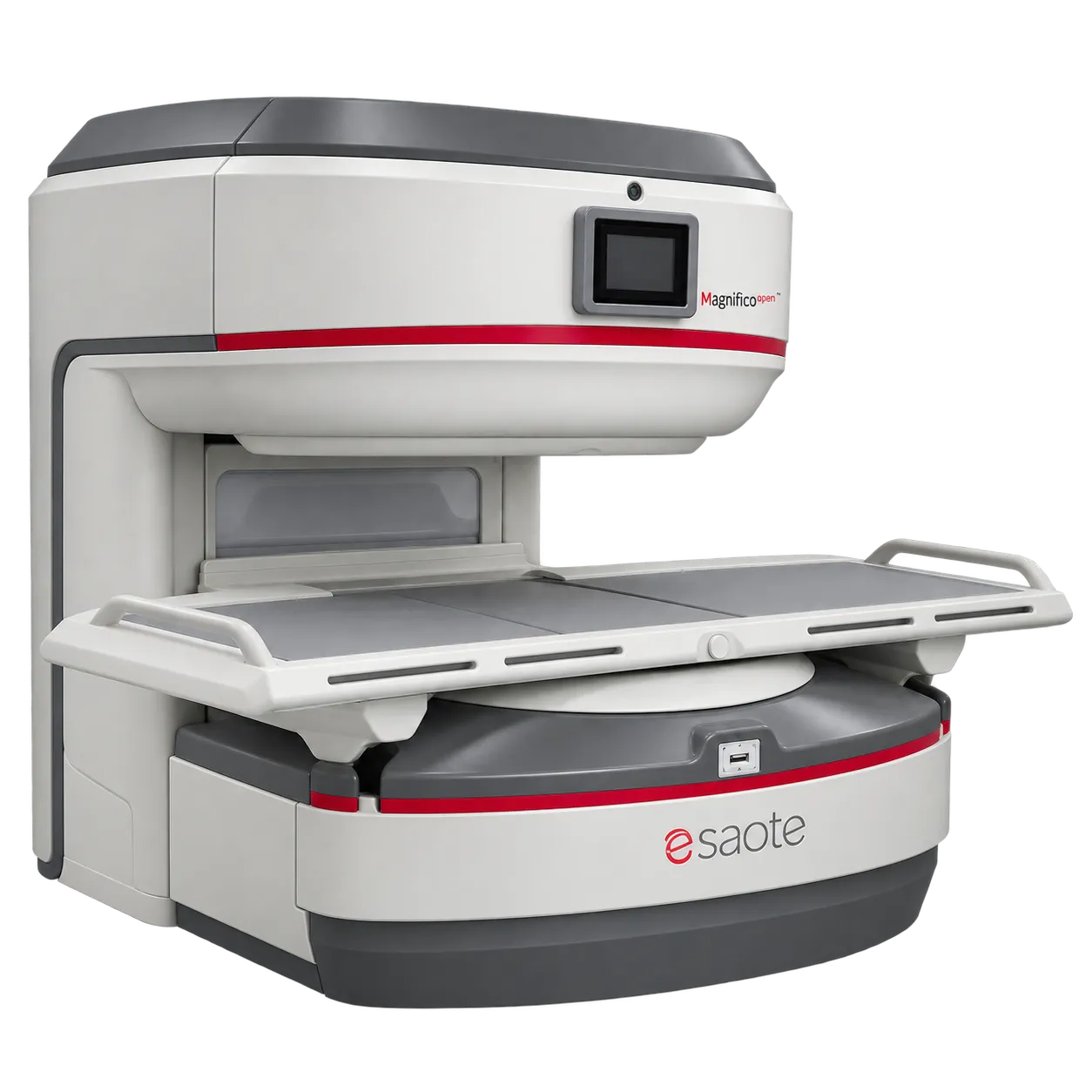
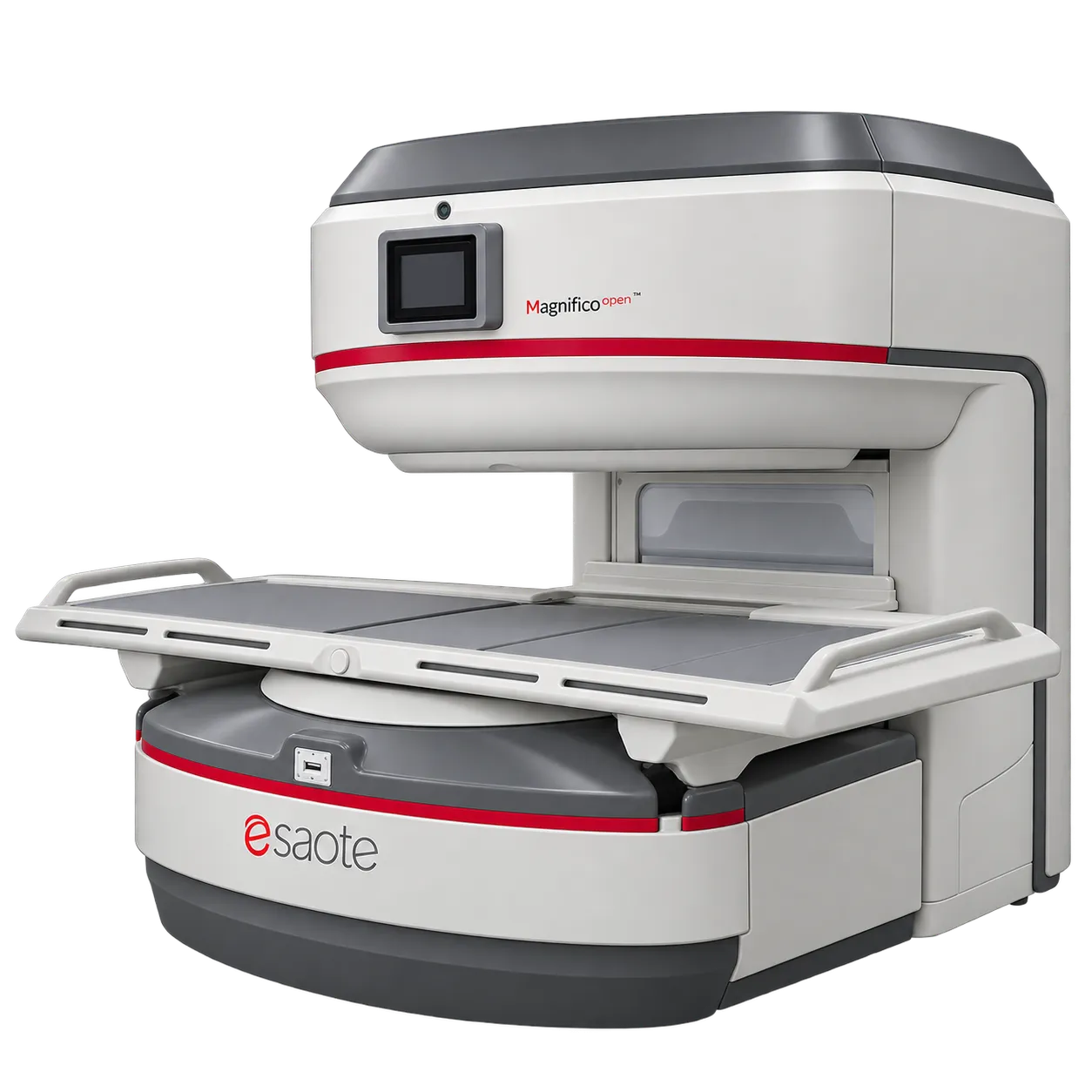
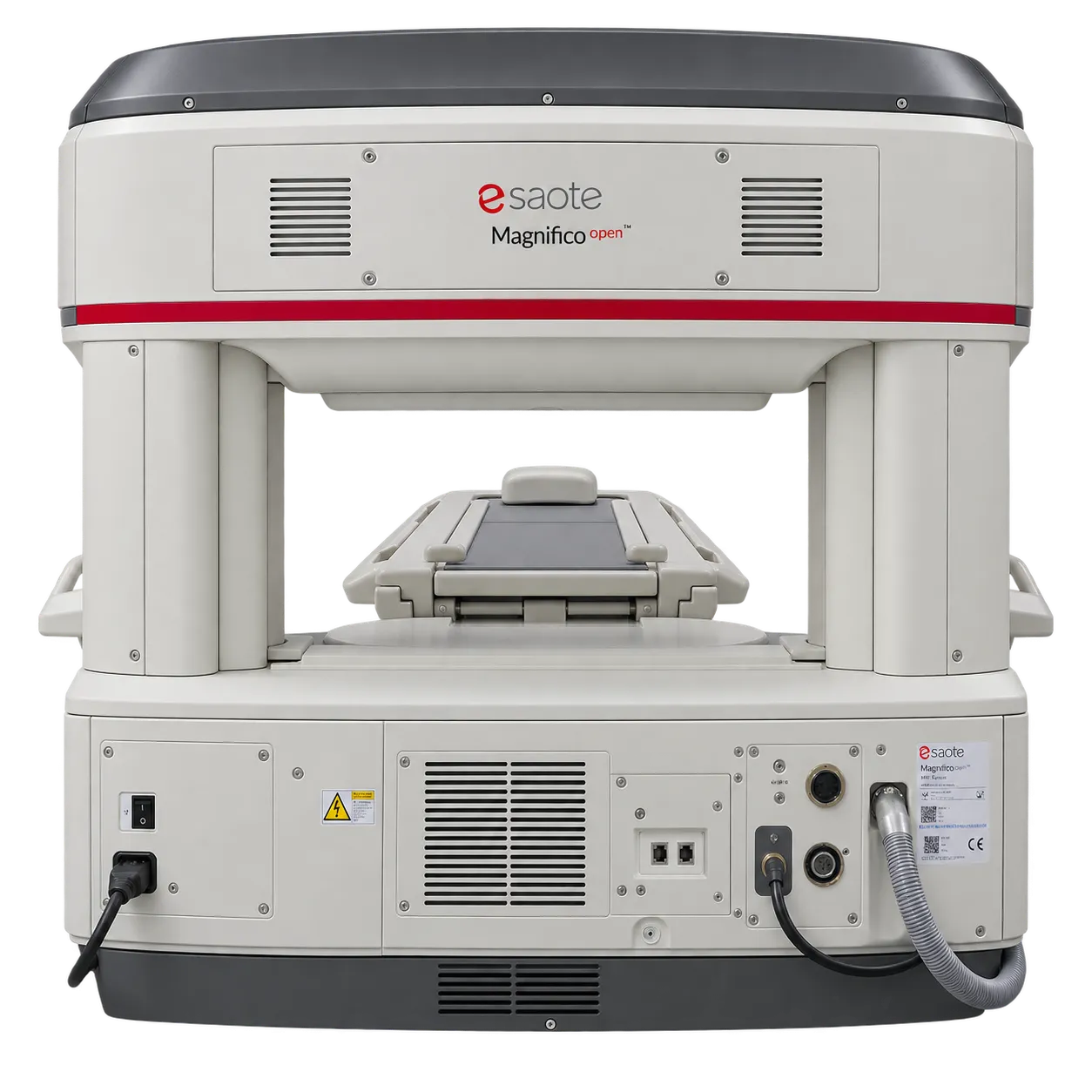
Musculoskeletal and joint imaging is among the strongest applications for an open system, covering knee, shoulder, elbow, wrist, hip and ankle work where the field strength is sufficient for the diagnostic question and patient positioning is often easier than in a closed bore. All clinical judgement, including whether an examination is justified and how findings are interpreted, remains with the referring and reporting clinicians, and Medigear.uk supplies configuration and condition detail rather than clinical guidance.
Spinal imaging is served well for the same reasons, and patients presenting with back pain are frequently among those least able to tolerate prolonged confinement, which makes the open design doubly relevant to this workload.
Claustrophobic and anxious patients are the group the platform most obviously serves. Where a service currently loses examinations to intolerance, converts them to sedation, or refers them onward, an open system addresses the cause directly and returns those patients to a normal pathway.
Larger patients who cannot be accommodated comfortably in a closed bore represent a referral stream many services currently send elsewhere, and open architecture with an appropriate table rating widens what a service can accept rather than refer.
Paediatric work benefits from a parent remaining within sight and reach, which reduces the proportion of children requiring sedation or general anaesthesia to complete an examination.
Services planning capacity should consider the platform alongside rather than instead of a closed scanner where one exists. Running both allows each to take the work it suits, with the open system absorbing the patients and indications that would otherwise consume anaesthetic time or leave the service entirely.