Hospitals perform hundreds of procedures every day — from minor dressings to major surgeries. Every instrument used on a patient must be completely free from microorganisms. Even a tiny contamination can cause serious hospital-acquired infections.
The Central Sterile Services Department (CSSD) is the hospital unit responsible for cleaning, disinfecting, sterilizing, and supplying sterile medical instruments and materials to all clinical areas.
It is often called the heart of infection control in a hospital.
What Is CSSD?
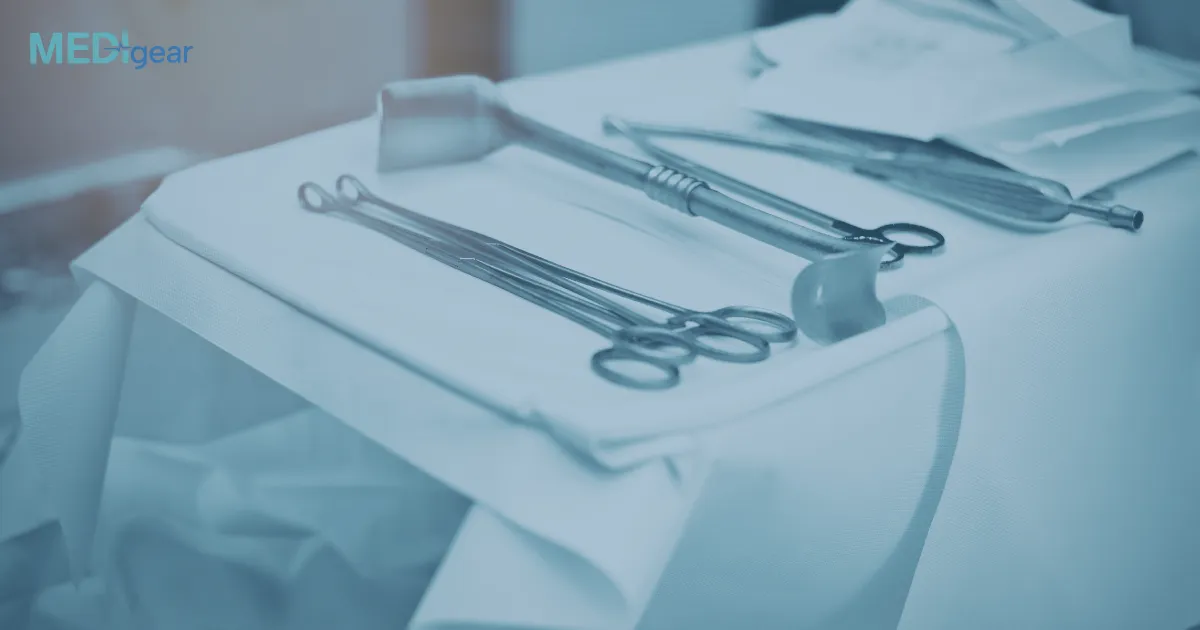
The Central Sterile Services Department is a specialized hospital department that processes reusable medical equipment and surgical instruments so they are safe for patient use.
CSSD ensures that all reusable items:
- Are thoroughly cleaned
- Disinfected
- Sterilized
- Properly packed
- Stored safely
- Delivered sterile to users
Departments served include:
- Operation theatre (OT)
- ICU and NICU
- Wards
- Emergency department
- Dialysis units
- Labour room
- Endoscopy units
Main Objectives of CSSD
- Prevent hospital-acquired infections (HAI)
- Maintain surgical sterility
- Provide ready-to-use sterile instruments
- Standardize sterilization procedures
- Protect patients and healthcare workers
CSSD Workflow (Step-by-Step Process)
1. Collection & Receiving (Dirty Area)
Used instruments are collected in closed containers and transported to CSSD. Items are considered contaminated and handled with protective equipment.
2. Cleaning & Decontamination
This is the most important step because sterilization cannot occur properly if instruments are dirty.
Processes include:
- Manual washing
- Enzymatic detergent cleaning
- Ultrasonic cleaning
- Washer-disinfector machines
Blood, tissue, and debris are removed at this stage.
3. Inspection & Assembly
After cleaning:
- Instruments are dried
- Checked for damage or rust
- Lubricated if needed
- Assembled into surgical sets
Damaged instruments are removed from service.
4. Packing & Labeling
Items are wrapped using:
- Sterilization wraps
- Pouches
- Containers
Labels include:
- Sterilization date
- Batch number
- Expiry
- Department name
5. Sterilization
Instruments are sterilized using appropriate methods depending on material.
Common sterilization methods
- Steam sterilization (Autoclave)
- Ethylene oxide (ETO)
- Plasma sterilization (H₂O₂)
- Dry heat (limited use)
6. Storage (Sterile Area)
After sterilization:
- Stored in clean, controlled environment
- Protected from moisture and dust
- Organized by department
7. Distribution
Sterile packs are delivered to hospital departments while maintaining sterility during transport.
Important Zones in CSSD
CSSD is divided into strictly separated areas to prevent cross-contamination:
- Dirty/Decontamination Area – receives contaminated items
- Clean Area – inspection and packing
- Sterile Area – post-sterilization storage and dispatch
This is called unidirectional workflow, meaning instruments move only forward, never backward.
Equipment Used in CSSD
- Autoclave sterilizers
- Washer disinfectors
- Ultrasonic cleaners
- Drying cabinets
- Packing sealing machines
- Sterilization trolleys
- Biological and chemical indicators
Role of CSSD Staff
CSSD technicians are specially trained. Their responsibilities include:
- Instrument cleaning and handling
- Sterilizer operation
- Sterility assurance testing
- Record keeping
- Infection control compliance
Importance of CSSD in Hospitals
Infection Prevention
Proper sterilization prevents surgical site infections and cross-contamination.
Patient Safety
Ensures every surgical instrument is safe to use.
Legal & Accreditation Compliance
Mandatory for NABH, JCI, and healthcare quality standards.
Operational Efficiency
Operation theatres depend on CSSD for timely supply of sterile instruments.
Common Risks Without CSSD
If sterilization is improper, hospitals may face:
- Surgical site infections
- Sepsis
- Post-operative complications
- Procedure delays
- Legal liability
Quality Control & Monitoring
CSSD uses multiple sterility checks:
- Chemical indicators (color change)
- Biological indicators (spore testing)
- Temperature and pressure monitoring
- Sterilization cycle documentation
CSSD vs Operation Theatre Sterilization
Earlier, sterilization was done inside the OT. Modern hospitals use centralized CSSD because it:
- Improves standardization
- Reduces infection risk
- Saves staff time
- Ensures traceability
Future of CSSD
Modern hospitals are adopting:
- Automated tracking systems
- Barcode instrument tracking
- Digital sterilization records
- Low-temperature sterilization technologies
CSSD is becoming a highly technological department, not just a washing area.
Conclusion
The Central Sterile Services Department (CSSD) plays a crucial role in patient safety and infection control. Every safe surgery and successful procedure depends on properly sterilized instruments supplied by CSSD.
Without CSSD, modern healthcare cannot function safely. It is a silent but essential department that supports surgeons, nurses, and patients every single day.