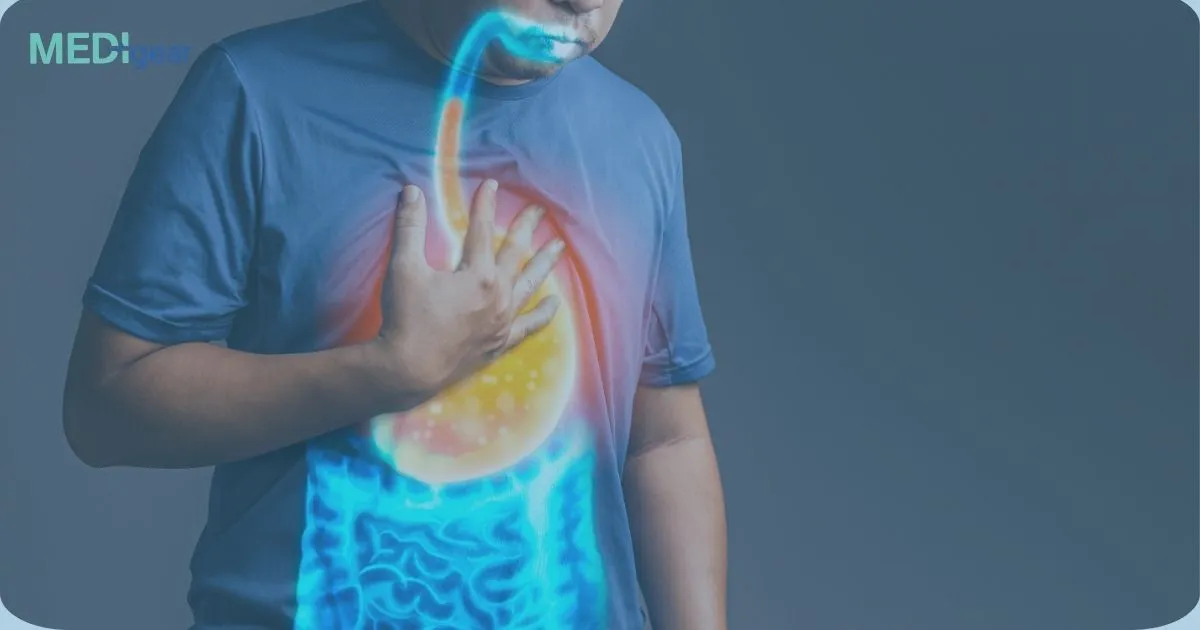
Gastroesophageal Reflux Disease, widely known as GERD, is a chronic digestive disorder where stomach acid frequently flows back into the esophagus. This backflow is called acid reflux, and when it happens repeatedly, it leads to inflammation, discomfort, and long-term complications.
GERD is common and affects people of all ages. Understanding its causes and symptoms can help you manage it early and prevent damage to the digestive system.
What Is GERD?
GERD occurs when the muscle at the bottom of the esophagus, called the lower esophageal sphincter (LES), becomes weak or relaxes when it should stay closed. This allows acidic stomach contents to rise upward, causing heartburn and other symptoms.
Occasional reflux is normal, but GERD means it happens more than twice a week or interferes with daily life.
Common Symptoms of GERD
1. Heartburn
A burning feeling in the chest, especially after eating or when lying down.
2. Regurgitation
A sour or bitter taste when food or stomach acid comes back into the throat or mouth.
3. Chest Discomfort
Mild chest pain or pressure that can often be mistaken for other conditions.
4. Difficulty Swallowing (Dysphagia)
A feeling that food is stuck or moving slowly down the throat.
5. Chronic Cough or Throat Irritation
Acid can irritate the throat, causing hoarseness, coughing, or frequent throat clearing.
6. Bad Breath
Constant reflux may lead to foul odor due to acid and undigested food.
What Causes GERD?
GERD usually results from a combination of digestive and lifestyle factors, such as:
Weak LES Muscle
If the sphincter does not work properly, acid escapes into the esophagus.
Overeating or Large Meals
A full stomach increases pressure, pushing acid upward.
Obesity
Extra weight increases abdominal pressure and weakens the LES.
Hiatal Hernia
A structural condition where part of the stomach moves above the diaphragm, promoting reflux.
Certain Foods and Drinks
- Spicy foods
- Citrus fruits
- Tomatoes
- Chocolate
- Caffeine
- Carbonated drinks
- Fatty or fried foods
Smoking
Weakens the LES and slows digestion.
Medications
Some painkillers, muscle relaxants, and blood pressure medicines may trigger reflux.
How GERD Is Diagnosed
Doctors may diagnose GERD through:
- Symptom evaluation
- Endoscopy
- pH monitoring
- Imaging tests
These help examine the esophagus for inflammation or other changes.
Treatment Options for GERD
Lifestyle Changes
These are the first steps to managing GERD:
- Eat smaller meals
- Avoid lying down right after eating
- Limit trigger foods
- Maintain a healthy weight
- Avoid smoking
- Wear loose clothing around the waist
Dietary Modifications
Focus on:
- High-fiber foods
- Lean proteins
- Non-acidic fruits
- Vegetables that do not cause gas
Medications
Doctors may recommend:
- Antacids
- H2-receptor blockers
- Proton pump inhibitors (PPIs)
These help reduce acid production and heal the esophageal lining.
Medical Procedures
In severe cases, surgical or endoscopic procedures are used to strengthen or support the LES.
Complications of Untreated GERD
If GERD is ignored for a long time, it may lead to:
- Esophagitis
- Narrowing of the esophagus (strictures)
- Breathing problems
- Barrett’s esophagus
This makes early management essential.
How to Prevent GERD
- Eat mindfully and reduce overeating
- Avoid known food triggers
- Sleep with your head slightly raised
- Maintain a balanced weight
- Reduce stress
- Stay active and hydrated
Conclusion
GERD is a common but uncomfortable digestive disorder caused by frequent acid reflux. With the right lifestyle changes, dietary habits, and medical support, most people can control symptoms effectively. Understanding the condition early helps prevent complications and improves quality of life.