
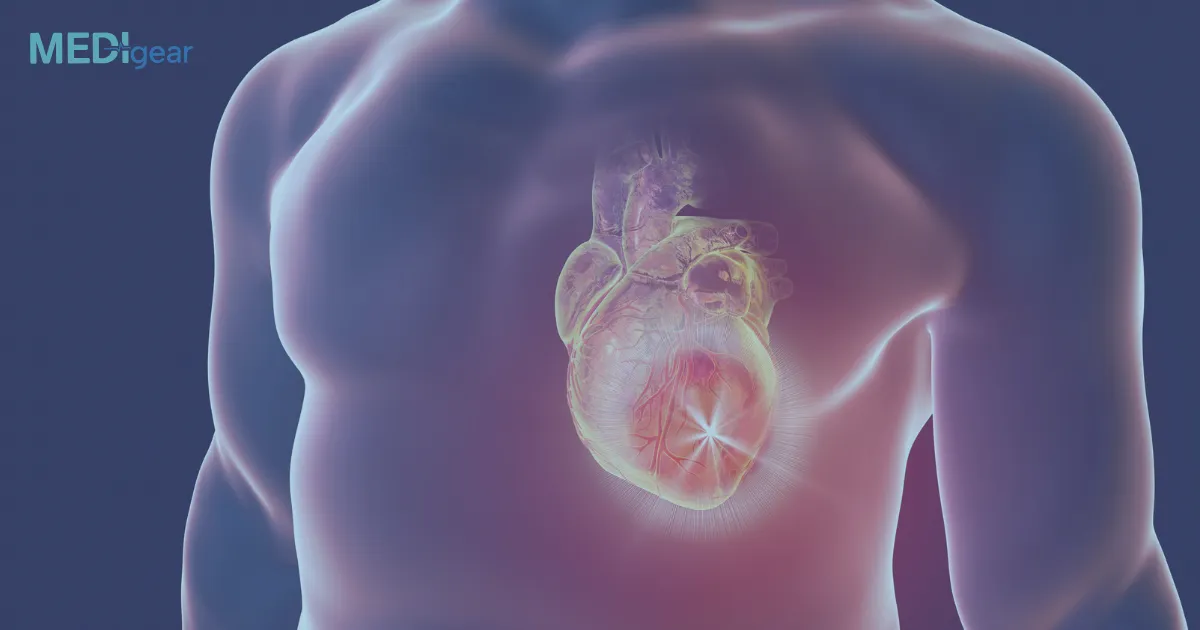
Synchronized cardioversion is a medical procedure used to restore a normal heart rhythm in patients experiencing certain types of abnormal heartbeats (arrhythmias). It delivers a controlled electrical shock to the heart at a precise moment in the cardiac cycle to safely reset the heart’s electrical activity.
The procedure is commonly performed in emergency departments, intensive care units, and cardiac care settings when rapid correction of an arrhythmia is necessary.
Why the Heart Needs Cardioversion
The heart beats due to coordinated electrical signals that originate in the sinus node. When these signals become disorganized, the heart may beat too fast or irregularly, reducing its ability to pump blood effectively.
This can lead to symptoms such as:
- Palpitations
- Dizziness
- Shortness of breath
- Chest discomfort
- Fainting
If untreated, certain arrhythmias can become life-threatening.
What “Synchronized” Means
In synchronized cardioversion, the defibrillator is set to deliver the shock in sync with the R wave of the electrocardiogram (ECG). This is the safest point in the heartbeat cycle.
Delivering the shock at the wrong moment could trigger dangerous ventricular arrhythmias. Synchronization prevents this by ensuring the electrical impulse is timed correctly.
Conditions Treated With Synchronized Cardioversion
Doctors use synchronized cardioversion to treat specific arrhythmias, including:
- Atrial fibrillation with symptoms
- Atrial flutter
- Supraventricular tachycardia (SVT)
- Unstable tachycardia with a pulse
It is generally used when medications are ineffective or when rapid rhythm correction is required.
How the Procedure Is Performed
Preparation
Electrodes or pads are placed on the patient’s chest and connected to a defibrillator. Monitoring equipment records the heart rhythm and vital signs.
Sedation
In planned procedures, patients usually receive short-acting sedation to minimize discomfort.
Delivery of the Shock
The defibrillator analyzes the ECG and delivers a timed electrical shock synchronized with the cardiac cycle. The shock briefly stops abnormal electrical activity, allowing the heart’s normal rhythm to resume.
Monitoring
After cardioversion, clinicians monitor the patient’s heart rhythm, blood pressure, and oxygen levels to ensure stability.
Difference Between Cardioversion and Defibrillation
Although both use electrical shocks, they are not the same:
- Synchronized cardioversion: Used for patients who still have a pulse and organized rhythm but abnormal rate or pattern.
- Defibrillation: Used during cardiac arrest for life-threatening rhythms like ventricular fibrillation and pulseless ventricular tachycardia.
Synchronization is the key safety feature that distinguishes cardioversion.
Benefits of Synchronized Cardioversion
- Rapid restoration of normal rhythm
- Improved blood circulation
- Relief of symptoms
- Reduced risk of stroke and complications
- Often effective when medications fail
Risks and Safety
Synchronized cardioversion is generally safe when performed by trained professionals. Possible risks include:
- Temporary skin irritation at pad sites
- Mild muscle soreness
- Brief arrhythmias after the procedure
- Rare complications related to sedation
Doctors often evaluate blood clot risk before elective cardioversion to reduce stroke risk.
Recovery and Aftercare
Most patients recover quickly and may go home the same day if the procedure is elective. Follow-up care may include medications, monitoring, and management of the underlying heart condition.
Lifestyle changes and ongoing cardiac care help prevent recurrence.
Final Thoughts
Synchronized cardioversion is an important emergency and therapeutic procedure that restores normal heart rhythm by delivering a carefully timed electrical shock. When used appropriately, it can quickly stabilize patients, relieve symptoms, and prevent serious complications.
Prompt recognition and treatment of arrhythmias greatly improve patient outcomes and cardiac safety.
Disclaimer:
This article is for informational purposes only and does not replace professional medical advice. Anyone experiencing severe palpitations, chest pain, or fainting should seek immediate medical attention.