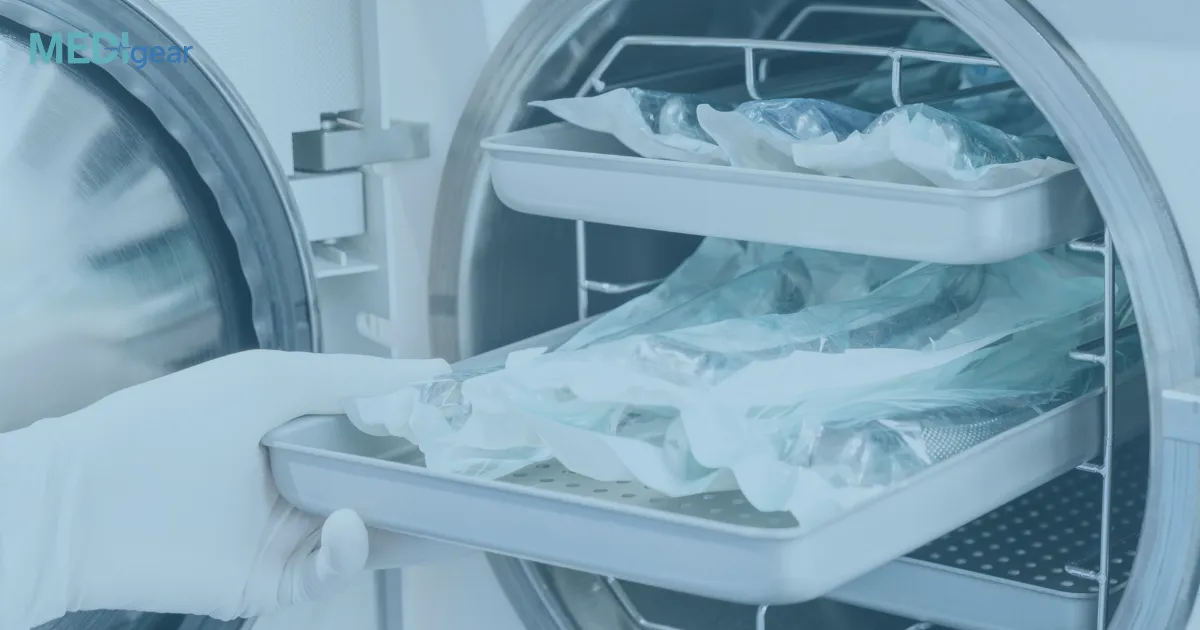
Autoclaves are essential sterilization devices used in hospitals, laboratories, dental clinics, and surgical centers. They sterilize instruments by exposing them to pressurized steam at high temperatures, effectively destroying bacteria, viruses, fungi, and spores.
For sterilization to be safe and reliable, the autoclave must maintain precise temperature and pressure conditions throughout the cycle. Modern autoclaves continuously monitor these parameters using built-in sensors, control systems, and verification methods to ensure proper sterilization.
Why Temperature and Pressure Matter in Sterilization
Steam sterilization works because pressurized steam transfers heat efficiently. The pressure inside the chamber allows water to reach temperatures higher than its normal boiling point. When instruments are exposed to this environment for a specific time, microorganisms are destroyed.
Typical sterilization conditions include:
- Approximately 121°C under pressure for standard cycles
- Approximately 134°C for faster sterilization cycles
If temperature or pressure is insufficient, sterilization may fail, creating infection risk. Therefore, continuous monitoring is critical.
Sensors Used in Autoclaves
Temperature Sensors
Autoclaves use temperature sensors, often thermocouples or resistance temperature detectors (RTDs), placed inside the chamber. These sensors continuously measure the heat level of the steam.
The system checks whether the required temperature is reached and maintained during the sterilization phase. If temperature drops below the required threshold, the cycle is automatically extended or stopped.
Pressure Sensors
Pressure transducers measure the internal chamber pressure. Because steam temperature depends directly on pressure, monitoring pressure confirms that saturated steam is present.
Correct pressure ensures:
- Steam penetration into instruments
- Elimination of air pockets
- Effective microbial destruction
How the Control System Works
The autoclave’s microprocessor receives signals from the temperature and pressure sensors. It compares the readings with preset sterilization parameters.
The control system then:
- Adjusts heating elements
- Regulates steam valves
- Controls exhaust and drying phases
- Maintains the required cycle duration
If parameters are not met, the machine alerts the operator and prevents cycle completion.
Recording and Documentation
Modern autoclaves record cycle data automatically.
Digital Displays and Printouts
The monitor shows real-time values of:
- Chamber temperature
- Chamber pressure
- Sterilization time
Some autoclaves print cycle reports or store electronic logs for quality assurance and regulatory compliance.
Verification Methods
Monitoring sensors alone are not sufficient. Autoclaves also use additional verification systems.
Mechanical Indicators
Gauges and display panels provide visible confirmation that conditions were achieved.
Chemical Indicators
Sterilization tapes and indicator strips change color when exposed to correct temperature conditions.
Biological Indicators
Spore tests confirm that microorganisms are destroyed. These are considered the most reliable sterilization verification method.
Safety Features
Autoclaves include protective mechanisms to prevent unsafe operation:
- Automatic shutdown if pressure is abnormal
- Door locking during pressurization
- Over-temperature protection
- Alarm systems for incomplete cycles
These features protect both patients and healthcare workers.
Why Monitoring Is Important
Proper monitoring ensures:
- Infection prevention
- Sterile surgical instruments
- Compliance with healthcare regulations
- Patient safety
- Reliable clinical procedures
Without accurate temperature and pressure control, sterilization cannot be guaranteed.
Final Thoughts
Autoclaves monitor temperature and pressure using advanced sensors, automated controls, and verification systems. By maintaining precise sterilization conditions and documenting each cycle, they ensure instruments are safe for patient use.
Reliable monitoring is the foundation of effective sterilization and plays a critical role in infection control across healthcare environments.
Disclaimer:
This article is for informational purposes only and does not replace professional training or manufacturer guidelines. Healthcare facilities should follow official sterilization protocols and equipment instructions.