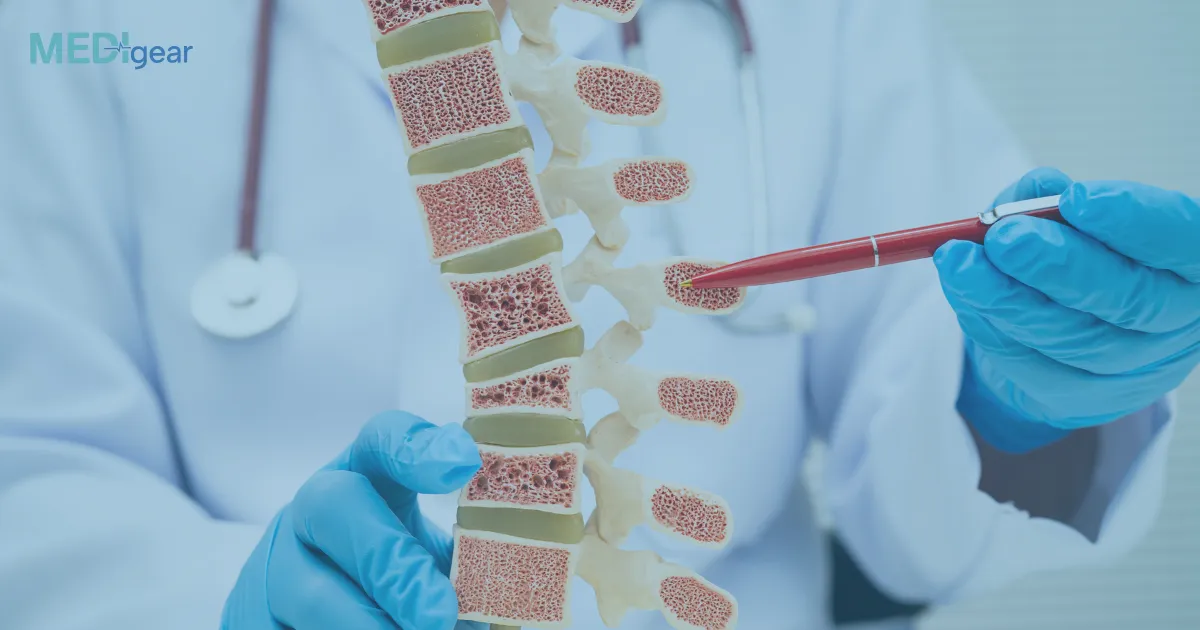
Osteoporosis is a condition in which bones become weak and fragile, increasing the risk of fractures, especially in the hips, spine, and wrists. Because bone loss often occurs silently, many people do not know they have osteoporosis until a fracture happens.
Screening allows doctors to detect bone weakening early and start treatment before serious injury occurs. Early diagnosis is important because osteoporosis is manageable and complications can often be prevented.
Why Osteoporosis Screening Is Important
Bone tissue constantly renews itself, but as people age, bone breakdown may occur faster than bone formation. This leads to reduced bone density and increased fracture risk.
Screening helps:
- Identify low bone density before fractures
- Assess future fracture risk
- Guide preventive treatment and lifestyle changes
- Monitor treatment effectiveness
Individuals over age 50, especially postmenopausal women and older adults, are commonly recommended for screening.
Who Should Be Screened?
Doctors recommend screening for people at higher risk, including:
- Women aged 65 and older
- Men aged 70 and older
- Postmenopausal women under 65 with risk factors
- Individuals with previous fractures
- Long-term corticosteroid users
- Patients with family history of osteoporosis
- People with low body weight or nutritional deficiencies
Main Test Used: Bone Density Scan (DEXA)
The most common screening method is the dual-energy X-ray absorptiometry (DEXA or DXA) scan.
What Is a DEXA Scan?
A DEXA scan is a painless imaging test that measures bone mineral density. It usually evaluates the hip and spine, which are common fracture sites.
How the Test Is Performed
The patient lies on a table while a scanning arm passes over the body. The test typically takes 10–20 minutes and does not require injections or special preparation.
Understanding the Results
DEXA results are reported as a T-score:
- Normal bone density: T-score above −1
- Osteopenia (low bone mass): T-score between −1 and −2.5
- Osteoporosis: T-score −2.5 or lower
Additional Screening Methods
FRAX Risk Assessment Tool
Doctors may use fracture risk calculators that estimate the chance of major bone fracture over the next 10 years based on age, weight, medical history, and lifestyle factors.
Blood Tests
Blood tests may be performed to evaluate calcium levels, vitamin D status, thyroid function, and other conditions that can affect bone health.
Imaging Studies
X-rays may identify fractures or advanced bone loss, although they are not sensitive enough to detect early osteoporosis.
How Often Should Screening Be Done?
Screening intervals depend on initial results and risk factors. Many individuals repeat bone density testing every 1–2 years if osteoporosis is diagnosed or every few years for monitoring.
Preventive Measures After Screening
If low bone density is detected, doctors may recommend:
- Calcium and vitamin D supplementation
- Weight-bearing exercise
- Smoking cessation
- Limiting alcohol intake
- Medications to strengthen bone
Early treatment significantly lowers fracture risk.
When to Talk to a Doctor
You should consider screening if you notice:
- Loss of height
- Stooped posture
- Back pain without clear cause
- Fractures from minor injuries
Even without symptoms, screening is recommended for high-risk individuals.
Final Thoughts
Osteoporosis screening is simple, painless, and highly valuable for preventing fractures and long-term disability. By identifying bone loss early through bone density testing and risk assessment, doctors can start preventive care and protect long-term bone health.
Regular screening, healthy lifestyle habits, and appropriate treatment can significantly reduce the impact of osteoporosis and maintain mobility and independence.
Disclaimer:
This article is for informational purposes only and does not replace professional medical advice. Individuals concerned about bone health should consult a qualified healthcare professional for evaluation and guidance.