Cardiac arrhythmias are abnormal heart rhythms that occur when the electrical signals controlling the heartbeat do not function properly. The heart may beat too fast, too slow, or irregularly. Some arrhythmias are harmless, but others can lead to serious complications such as stroke, fainting, or cardiac arrest.
Modern cardiac monitoring systems help clinicians detect these rhythm disturbances early. By continuously tracking the heart’s electrical activity, medical monitors allow timely diagnosis and treatment.
Understanding Heart Rhythm
The heart beats because of electrical impulses generated in a specialized area called the sinus node. These signals travel through the heart muscle in a precise pattern, causing coordinated contractions that pump blood efficiently.
If these electrical signals are disrupted, the rhythm changes. This is known as an arrhythmia.
Common types include:
- Tachycardia (fast heart rate)
- Bradycardia (slow heart rate)
- Atrial fibrillation
- Premature beats
- Ventricular arrhythmias
What Is a Cardiac Monitor?
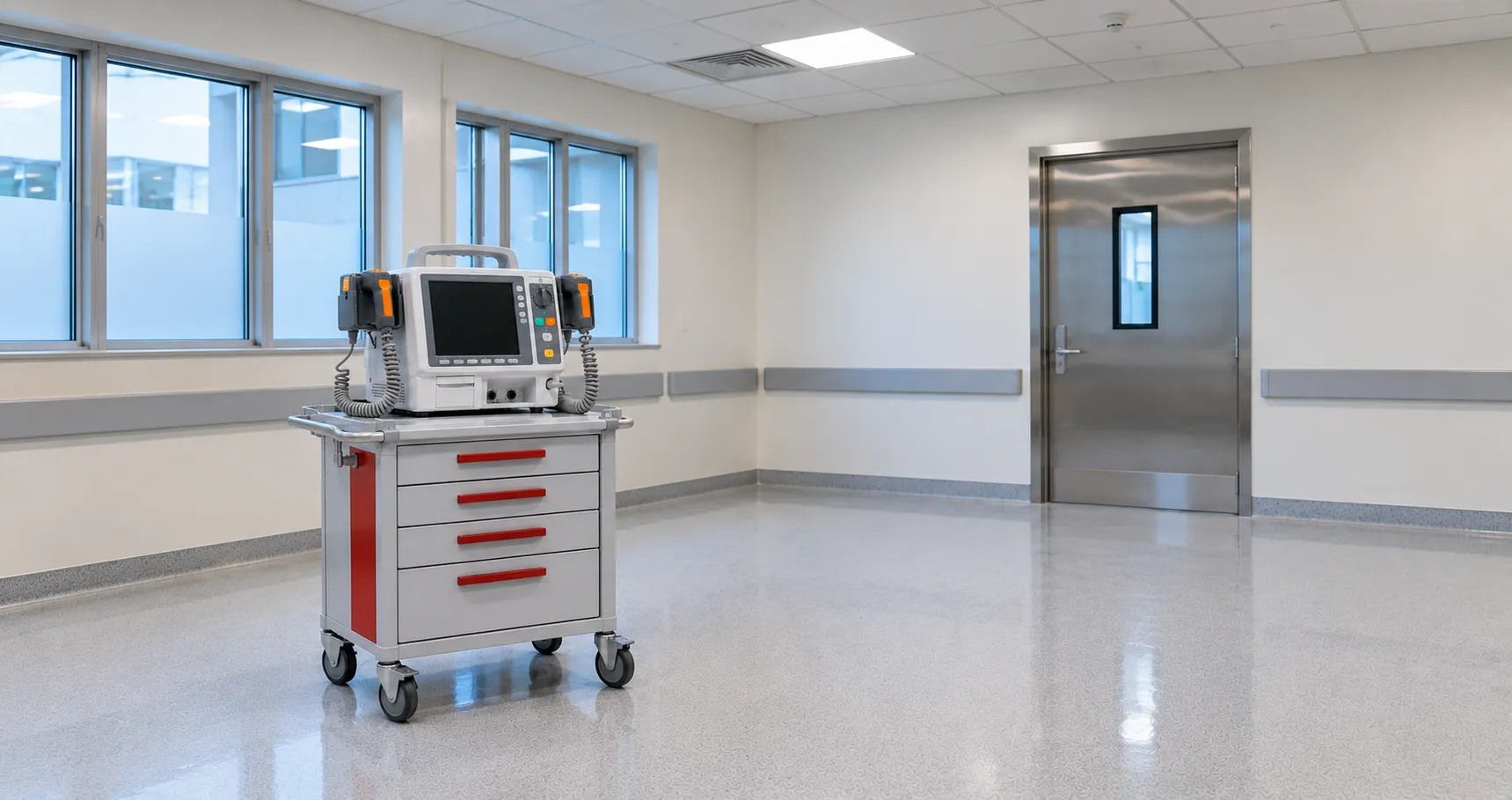
A cardiac monitor is a device that records and analyzes the heart’s electrical activity using sensors placed on the skin. These sensors detect tiny electrical signals produced each time the heart beats.
Monitors may be used in hospitals, emergency settings, ambulances, or at home depending on the patient’s condition.
How Cardiac Monitors Work
Electrodes Detect Electrical Signals
Small adhesive electrodes are placed on the chest. These electrodes capture electrical impulses generated by the heart muscle.
Signal Conversion
The detected signals are transmitted through wires or wireless systems to the monitor. The monitor converts them into a waveform known as an electrocardiogram (ECG).
Continuous Recording
The device records the heart rhythm continuously, allowing clinicians to observe changes that may not occur during a short clinic visit.
How Arrhythmias Are Identified
Cardiac monitors analyze the ECG waveform in real time.
Heart Rate Measurement
The monitor calculates beats per minute and alerts clinicians if the heart rate becomes too fast or too slow.
Rhythm Pattern Recognition
The monitor evaluates the timing between heartbeats. Irregular intervals can indicate atrial fibrillation or other rhythm disorders.
Waveform Analysis
Each heartbeat produces characteristic electrical waves. Changes in these wave patterns help detect specific arrhythmias.
Automatic Alarms
Modern monitors include algorithms that recognize abnormal rhythms and trigger alerts so healthcare providers can intervene quickly.
Types of Cardiac Monitoring Devices
Bedside Monitors
Used in intensive care units and hospital wards for continuous observation of critically ill patients.
Holter Monitors
Portable devices worn for 24–48 hours to detect intermittent arrhythmias.
Event Monitors
Activated by patients when symptoms such as palpitations occur.
Wearable and Remote Monitors
Wireless devices that transmit heart rhythm data to healthcare providers for long-term monitoring.
Why Early Detection Matters
Detecting arrhythmias early helps:
- Prevent stroke, especially in atrial fibrillation
- Identify life-threatening ventricular arrhythmias
- Evaluate fainting or unexplained dizziness
- Guide medication or device therapy (such as pacemakers)
Continuous monitoring is particularly important for high-risk patients and those recovering from heart events.
Final Thoughts
Cardiac monitors detect arrhythmias by measuring and analyzing the heart’s electrical activity through electrodes and ECG waveform interpretation. These devices provide continuous, real-time information that helps clinicians diagnose rhythm disorders quickly and begin appropriate treatment.
Early monitoring and timely intervention significantly improve patient safety and long-term cardiac outcomes.
Disclaimer:
This content is for informational purposes only and does not replace professional medical advice. Individuals experiencing chest pain, palpitations, fainting, or dizziness should seek medical evaluation promptly.