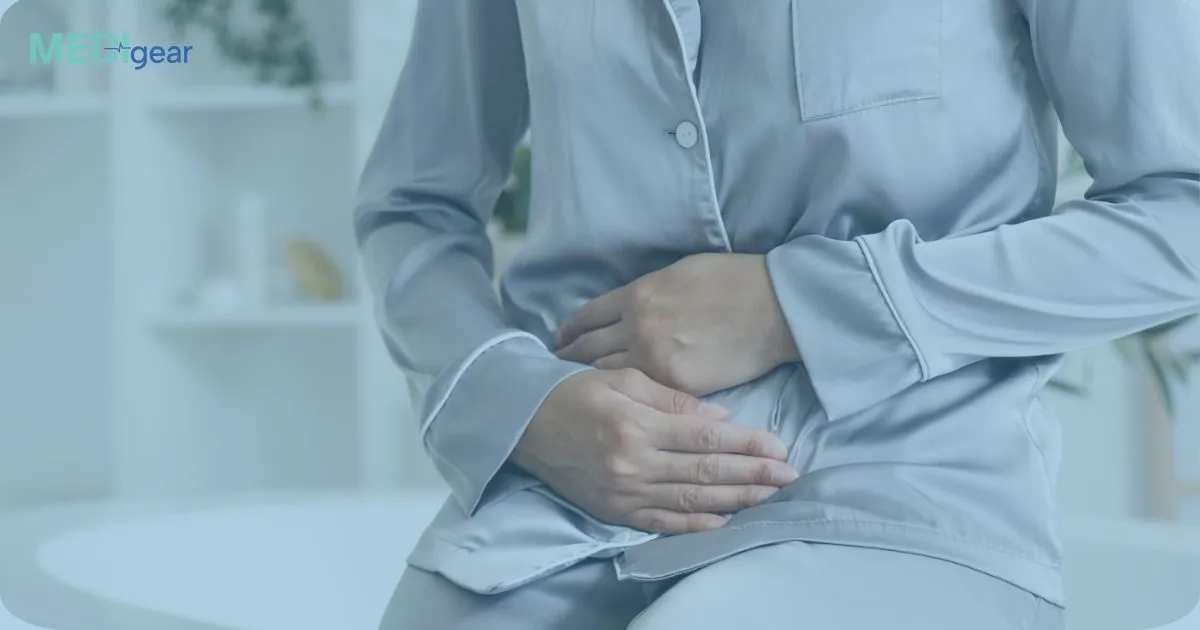
Constipation is a common digestive problem where a person has fewer bowel movements than usual or finds it difficult to pass stool. It can make you feel bloated, uncomfortable, and strained. While occasional constipation is normal, frequent or long-term constipation can affect daily life and may signal an underlying issue.
Understanding the causes can help prevent constipation and improve gut health.
What Happens in the Body During Constipation?
Normally, as food moves through the intestines, the colon absorbs water and forms stool. When the colon absorbs too much water or the muscles move too slowly, the stool becomes dry, hard, and difficult to pass.
Common Causes of Constipation
1. Low Fiber Intake
Fiber adds bulk to stool and helps it move easily. A diet low in fruits, vegetables, whole grains, and legumes often leads to constipation.
2. Not Drinking Enough Water
Dehydration causes the colon to absorb more water from stool, making it hard and dry.
3. Sedentary Lifestyle
Physical activity stimulates intestinal movement. Long periods of sitting or inactivity slow the digestive process.
4. Holding in Bowel Movements
Ignoring the urge to pass stool can make it more difficult later, as stool becomes drier the longer it stays in the colon.
5. Certain Medications
Some medicines may cause constipation, including:
-
Pain relievers
-
Iron supplements
-
Antacids containing aluminum or calcium
-
Some antidepressants
-
Blood pressure medications
6. Changes in Routine
Travel, stress, lifestyle changes, or disrupted sleep patterns can affect digestion and bowel habits.
7. Hormonal Changes
Pregnancy, menstruation, and thyroid issues can influence how quickly food moves through the intestines.
8. Digestive or Medical Conditions
Some health issues can cause chronic constipation:
-
Irritable bowel syndrome (especially IBS-C)
-
Diabetes
-
Hypothyroidism
-
Neurological disorders
-
Intestinal obstruction (rare but serious)
Symptoms of Constipation
-
Hard, dry stool
-
Fewer bowel movements than usual
-
Straining during bowel movements
-
Feeling of incomplete evacuation
-
Bloating and discomfort
-
Abdominal pain in some cases
How to Prevent and Manage Constipation
1. Eat More Fiber
Include fiber-rich foods such as oats, apples, bananas, leafy vegetables, beans, and whole grains. Gradually increase fiber intake to avoid gas and bloating.
2. Stay Hydrated
Drink enough water throughout the day. Warm liquids in the morning may help stimulate bowel movement.
3. Be Physically Active
A simple daily walk, stretching, or light exercise can help stimulate digestion.
4. Develop a Regular Routine
Try to use the bathroom at the same time each day, especially after meals, when bowel activity increases.
5. Limit Processed Foods
Reduce intake of fast food, refined grains, and sugary snacks that slow digestion.
6. Use Medication Only When Needed
Laxatives can help occasionally, but frequent use is not advised unless recommended by a healthcare provider.
7. Consult a Doctor for Chronic Symptoms
Seek medical help if you notice:
-
Persistent constipation
-
Severe pain
-
Blood in stool
-
Unexplained weight loss
When Constipation Becomes a Concern
While occasional constipation is usually harmless, long-term constipation may lead to:
-
Hemorrhoids
-
Anal fissures
-
Fecal impaction
-
Reduced quality of life
Medical support is important if symptoms continue despite lifestyle changes.