Pediatric physiotherapy is a specialized branch of physical therapy focused on improving movement, strength, balance, and functional abilities in infants, children, and adolescents. It helps children with developmental delays, neurological conditions, injuries, or physical disabilities achieve their highest level of independence.
Unlike adult therapy, pediatric physiotherapy is designed around growth and development. Treatment sessions often use play-based activities and age-appropriate exercises to make therapy engaging and effective.
Why Children May Need Pediatric Physiotherapy
Some children experience difficulties with movement or physical development due to medical conditions or injuries. Early intervention is important because a child’s body and brain are still developing, and therapy can significantly improve long-term outcomes.
Pediatric physiotherapy supports:
- Proper motor development
- Muscle strength and flexibility
- Coordination and posture
- Safe mobility and independence
Conditions Treated in Pediatric Physiotherapy
Pediatric physiotherapists work with children who have:
- Developmental delays
- Cerebral palsy
- Muscular dystrophy
- Genetic disorders
- Down syndrome
- Spina bifida
- Sports injuries
- Fractures and orthopedic conditions
- Balance and coordination problems
Therapy programs are individualized based on each child’s needs.
How Pediatric Physiotherapy Works
Developmental Assessment
The therapist evaluates posture, muscle tone, reflexes, balance, and movement milestones such as rolling, sitting, crawling, standing, and walking.
Play-Based Therapy
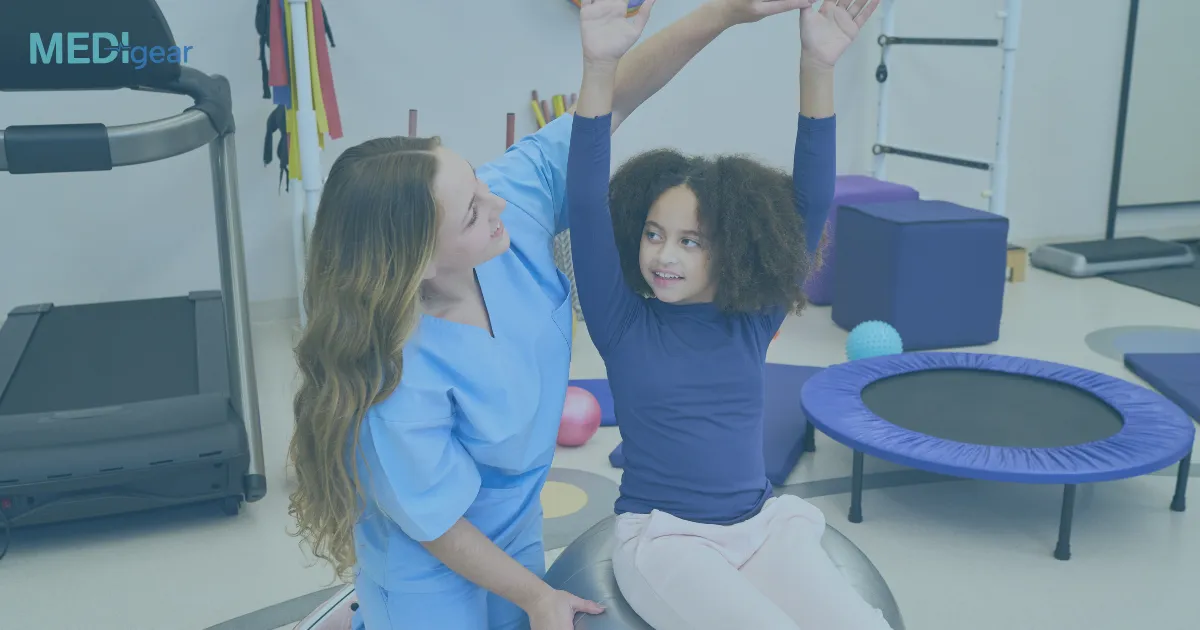
Exercises are incorporated into games and activities to encourage participation and reduce fear. Children may use balls, toys, obstacle courses, and balance equipment.
Strength and Mobility Training
Guided exercises help improve muscle strength, joint flexibility, and coordination. Therapy helps children practice everyday movements.
Gait and Posture Training
Therapists help children learn proper walking patterns and body alignment to improve stability and prevent future complications.
Parent and Caregiver Education
Families are taught home exercises and positioning techniques to support therapy progress between sessions.
Benefits of Pediatric Physiotherapy
- Improves movement and motor skills
- Enhances balance and coordination
- Prevents joint stiffness and deformities
- Promotes independence in daily activities
- Builds confidence and participation in play and school activities
- Supports healthy growth and development
Importance of Early Intervention
Early therapy is especially valuable because the developing brain has strong adaptability. Starting treatment during infancy or early childhood can significantly improve motor skills and reduce long-term disability.
Warning signs that may require evaluation include:
- Delayed sitting or walking
- Persistent toe walking
- Poor balance or frequent falls
- Stiff or floppy muscles
- Difficulty using arms or legs equally
Final Thoughts
Pediatric physiotherapy plays a vital role in helping children reach developmental milestones and improve functional ability. Through guided exercises, play-based activities, and family involvement, therapy promotes independence and quality of life.
Early assessment and consistent therapy can make a significant difference in a child’s physical development and long-term mobility.
Disclaimer:
This article is for informational purposes only and does not replace professional medical advice. Parents concerned about their child’s development should consult a qualified healthcare professional for evaluation and guidance.