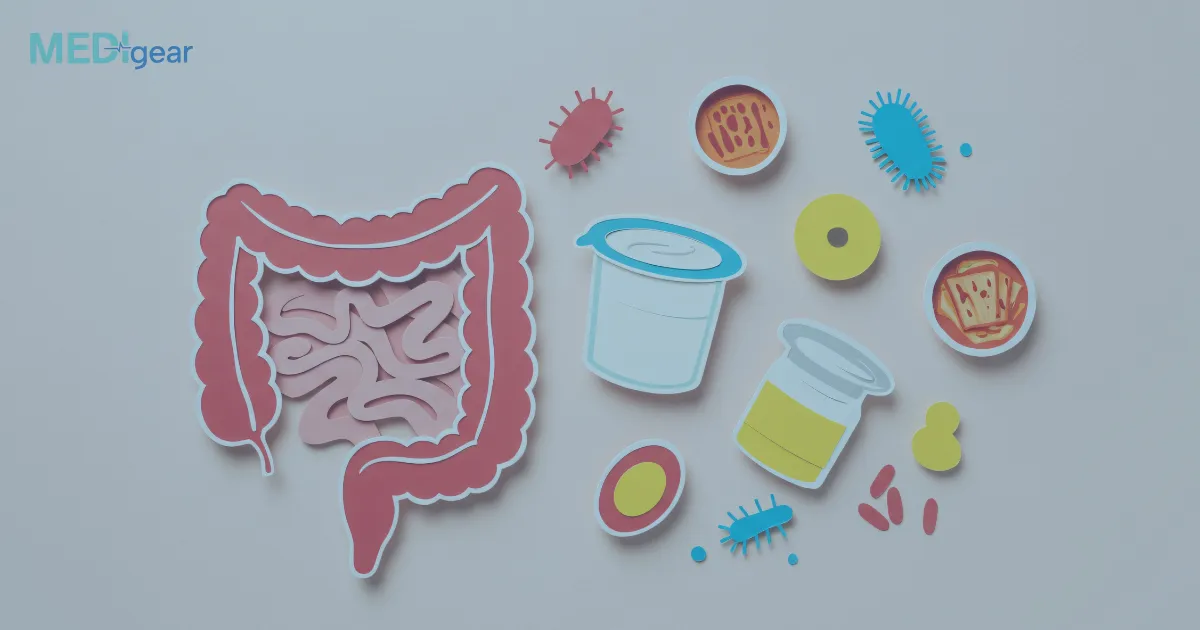
The connection between the gut and the brain has become a major focus of modern medical research. Increasing evidence shows that gut health plays a critical role in mental health, influencing mood, cognition, stress response, and emotional well-being. This relationship is commonly referred to as the gut–brain axis.
Understanding how the digestive system communicates with the brain is reshaping approaches to mental health care, opening new pathways for prevention and treatment.
Understanding the Gut–Brain Axis
The gut–brain axis is a complex, bidirectional communication network linking the gastrointestinal system and the central nervous system. This system operates through:
- The vagus nerve, which transmits signals between the gut and brain
- Hormonal pathways, including stress and appetite hormones
- Immune system signaling, driven by inflammation and cytokines
- Gut microbiota, the trillions of microorganisms living in the intestines
These components work together to influence brain function, emotional regulation, and behavior.
Role of Gut Microbiota in Mental Health
The gut microbiome contains beneficial bacteria that support digestion, immune function, and neurotransmitter production. An imbalance in these bacteria, known as dysbiosis, has been linked to several mental health conditions.
Key functions of gut bacteria include:
- Producing neurotransmitters such as serotonin, dopamine, and GABA
- Regulating inflammation that can affect brain signaling
- Supporting the integrity of the intestinal lining to prevent harmful substances from entering the bloodstream
Approximately 90% of the body’s serotonin is produced in the gut, highlighting its importance in mood regulation.
Gut Health and Mental Health Conditions
Anxiety and Depression
Studies show that individuals with anxiety or depression often exhibit altered gut microbiota composition. Chronic inflammation originating in the gut can disrupt neurotransmitter balance and stress-response systems.
Stress and Cortisol Regulation
Psychological stress can negatively affect gut motility and microbiome diversity, while poor gut health can amplify stress responses by increasing cortisol levels.
Cognitive Function and Brain Fog
The gut–brain axis also influences memory, focus, and mental clarity. Inflammation or poor nutrient absorption can impair cognitive performance.
Neurodevelopmental and Neurodegenerative Disorders
Emerging research suggests associations between gut health and conditions such as autism spectrum disorders, Parkinson’s disease, and Alzheimer’s disease, though this area is still under active investigation.
How Inflammation Connects Gut and Brain
When gut integrity is compromised, inflammatory molecules can enter the bloodstream and cross the blood–brain barrier. This process, often referred to as leaky gut, may contribute to:
- Mood disturbances
- Fatigue and irritability
- Impaired stress resilience
- Increased risk of depressive symptoms
Reducing gut inflammation can therefore have positive effects on mental health.
Diet and Its Impact on the Gut–Brain Axis
Diet is one of the most influential factors affecting gut health.
Foods that support gut and mental health include:
- Fiber-rich fruits and vegetables
- Fermented foods such as yogurt and kefir
- Whole grains and legumes
- Omega-3 fatty acids
Foods that may negatively impact gut health include:
- Highly processed foods
- Excess sugar and artificial sweeteners
- Chronic alcohol consumption
A balanced diet promotes microbial diversity, which is linked to better emotional and psychological outcomes.
Probiotics, Prebiotics, and Mental Well-Being
- Probiotics are beneficial live bacteria that help restore gut balance.
- Prebiotics are dietary fibers that feed healthy gut bacteria.
Clinical studies suggest that certain probiotic strains, sometimes referred to as psychobiotics, may reduce symptoms of anxiety and depression by influencing neurotransmitter production and inflammation levels.
Lifestyle Factors Affecting Gut and Mental Health
Beyond diet, several lifestyle factors influence the gut–brain connection:
- Sleep quality affects microbiome balance and emotional regulation
- Physical activity enhances gut motility and reduces inflammation
- Stress management supports both gut integrity and mental resilience
- Medication use, especially antibiotics, can disrupt gut bacteria
A holistic approach is essential for maintaining both digestive and psychological health.
Clinical Implications and Future Directions
The growing understanding of the gut–brain axis is influencing new treatment strategies, including:
- Integrating nutrition into mental health care
- Personalized probiotic therapies
- Early gut-health interventions for mood disorders
- Multidisciplinary approaches combining gastroenterology and psychiatry
As research advances, gut health may become a routine component of mental health assessment and treatment planning.
Final Thoughts
The link between gut health and mental health highlights the importance of viewing the body as an interconnected system rather than isolated organs. A healthy gut supports balanced neurotransmitter production, reduced inflammation, and improved emotional well-being.
By prioritizing gut health through diet, lifestyle choices, and medical guidance, individuals may enhance not only digestive function but also mental clarity, mood stability, and overall quality of life.
Disclaimer:
This article is for informational purposes only and does not replace professional medical advice. Individuals experiencing mental health concerns should consult qualified healthcare professionals.