Extracorporeal Membrane Oxygenation (ECMO) is a life-saving technology used in critical care when a patient’s heart or lungs can no longer function effectively on their own. ECMO provides temporary support by taking over the work of these organs, giving the body time to rest, heal, and recover. It is used only in severe or life-threatening situations.
1. What Is ECMO?
ECMO is an advanced form of life support where blood is pumped outside the patient’s body into a machine that:
- Adds oxygen to the blood
- Removes carbon dioxide
- Helps the heart by taking over part of its pumping function
This system acts as an artificial heart–lung machine for days or even weeks, depending on the patient’s condition.
2. How ECMO Works
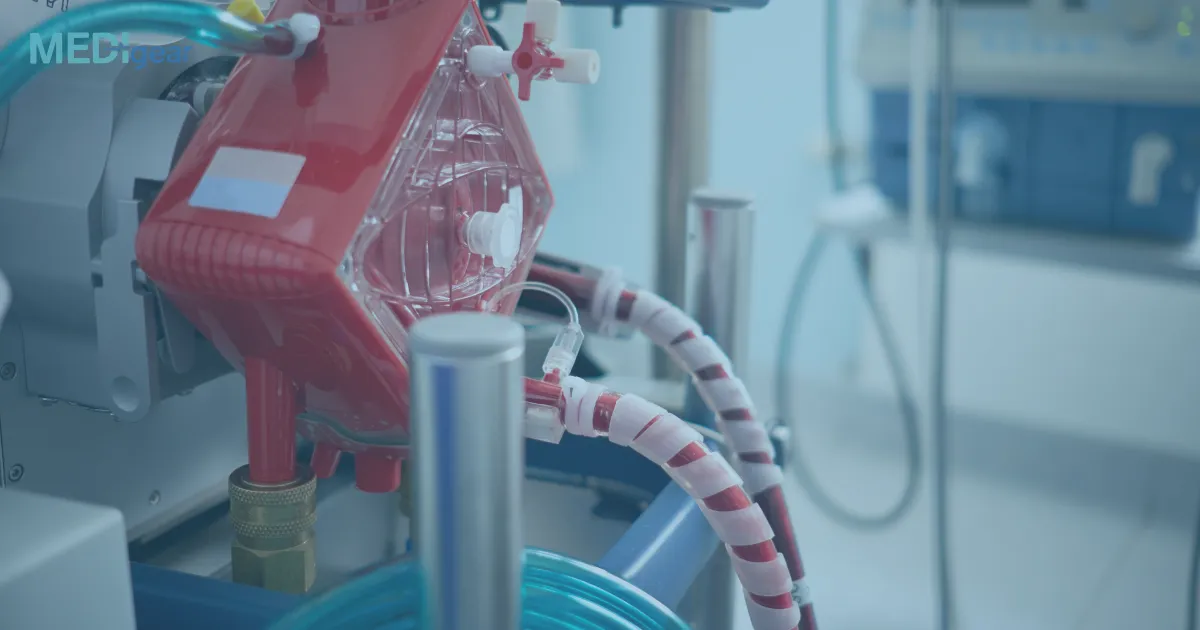
The ECMO system consists of:
- Cannulas (tubes) placed in large blood vessels
- A pump that circulates blood outside the body
- An oxygenator that performs gas exchange
- A heater that keeps blood at the right temperature
Once connected, the machine maintains oxygenation and circulation while the patient’s organs rest.
3. Types of ECMO
a) Veno-Venous (VV) ECMO
Used for lung support only.
Blood is removed from a vein, oxygenated, and returned to a vein.
Common in severe lung failure—when the heart is functioning normally.
b) Veno-Arterial (VA) ECMO
Used for both heart and lung support.
Blood is oxygenated and returned to an artery, assisting circulation.
Used in heart failure, cardiac arrest, or severe shock.
4. When Is ECMO Used?
ECMO is used when conventional treatments cannot stabilize a patient. Common situations include:
a) Severe Respiratory Failure
- ARDS (Acute Respiratory Distress Syndrome)
- Severe pneumonia
- COVID-19 complications
- Trauma or lung injury
b) Heart Failure or Cardiac Arrest
- Cardiogenic shock
- Massive heart attacks
- Inability to wean from a ventilator or heart-lung machine after surgery
c) Post-Cardiac Surgery Support
ECMO may support patients temporarily after complex heart surgeries.
d) Severe Newborn and Pediatric Conditions
Used for conditions like:
- Meconium aspiration
- Congenital diaphragmatic hernia
- Persistent pulmonary hypertension in newborns
e) As a Bridge for Advanced Treatments
- Bridge to heart transplant
- Bridge to lung transplant
- Bridge to recovery after trauma or infection
5. Who Qualifies for ECMO?
ECMO is typically considered for patients:
- With potentially reversible heart or lung conditions
- Who are failing mechanical ventilation or medications
- Who are strong candidates for recovery if their organs are given time to rest
It is not used for patients with irreversible, end-stage diseases where recovery is unlikely.
6. Risks and Limitations of ECMO
While life-saving, ECMO has risks:
- Bleeding (due to blood thinners)
- Infection
- Blood clotting
- Stroke
- Organ failure
- Equipment complications
Because of these risks, it is only used in specialized critical-care units with expert teams.
7. Recovery After ECMO
Recovery depends on:
- Underlying condition
- Duration of ECMO
- Complications
- Organ function after support is removed
Patients may need rehabilitation for physical strength, breathing, or cardiac stability after ECMO therapy.
Conclusion
ECMO is a powerful life-support therapy used when the heart or lungs are failing and all other treatments have been exhausted. It provides critical time for healing and can be life-saving in severe respiratory or cardiac emergencies. While ECMO is complex and used only in specialized settings, it plays an essential role in modern critical care and advanced life support.
Disclaimer
This blog is for informational purposes only and does not replace professional medical advice or emergency treatment. ECMO eligibility and decisions should be made by qualified critical-care specialists.
References
- American Thoracic Society – ECMO overview
- Extracorporeal Life Support Organization (ELSO) guidelines