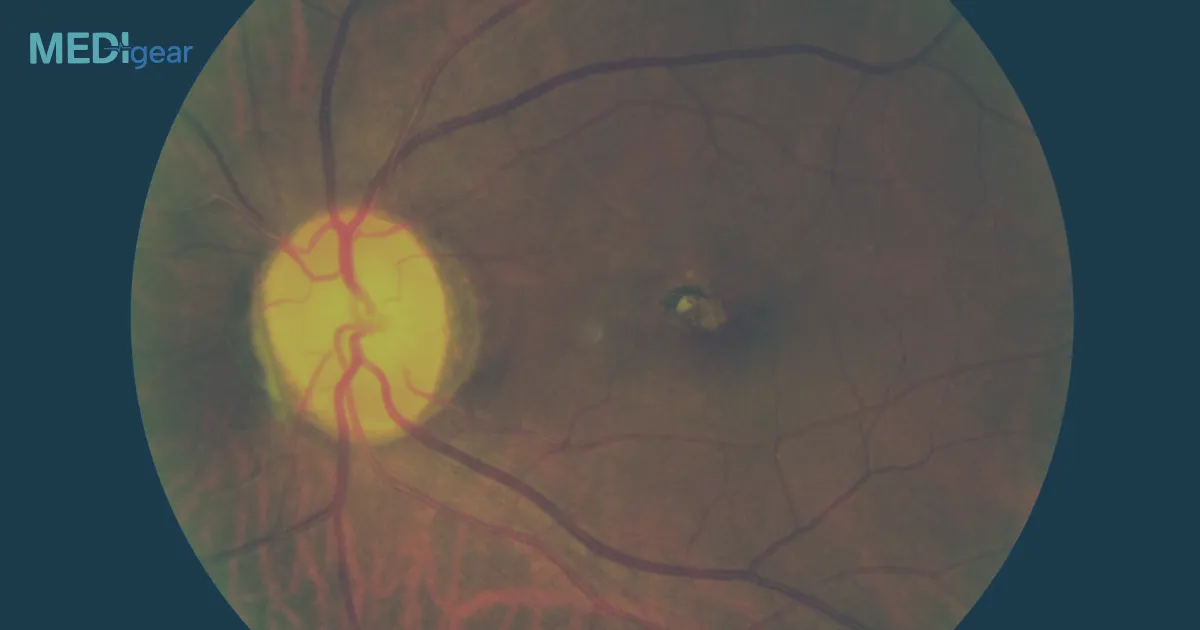
Glaucoma is a group of eye diseases that damage the optic nerve, most often due to increased intraocular pressure. It is one of the leading causes of irreversible blindness worldwide. What makes glaucoma particularly dangerous is that it often develops silently, with noticeable vision loss occurring only after significant damage has already occurred.
Recognizing the early warning signs and understanding when to seek medical attention are critical to preserving vision.
1. Why Glaucoma Is Called the “Silent Thief of Sight”
In its most common form — primary open-angle glaucoma — the disease progresses slowly and without pain. Vision loss usually begins in the peripheral (side) vision, which many people do not notice in everyday activities.
By the time symptoms become obvious, permanent optic nerve damage may already be present.
2. Early Warning Signs of Glaucoma
Early-stage glaucoma often shows no noticeable symptoms, but some subtle changes may occur:
- Gradual loss of peripheral vision
- Difficulty seeing objects at the edges of vision
- Trouble adjusting to dark rooms or low light
- Mild blurring or haziness of vision
Regular eye examinations are often the only way to detect glaucoma at this stage.
3. Advanced Warning Signs of Open-Angle Glaucoma
As the disease progresses, symptoms may become more apparent, including:
- Tunnel vision in later stages
- Frequent changes in eyeglass prescription
- Reduced contrast sensitivity
- Difficulty with night driving
- Increased need for brighter lighting
Once vision is lost due to glaucoma, it cannot be restored, making early detection essential.
4. Warning Signs of Angle-Closure Glaucoma (Medical Emergency)
Angle-closure glaucoma develops suddenly and requires immediate medical attention.
Common warning signs include:
- Sudden, severe eye pain
- Intense headache
- Rapid vision loss
- Blurred vision with halos around lights
- Eye redness
- Nausea and vomiting
If these symptoms occur, emergency treatment is required to prevent permanent blindness.
5. Risk Factors That Increase the Need for Screening
Certain individuals are at higher risk and should undergo regular glaucoma evaluations:
- Age over 40
- Family history of glaucoma
- Diabetes or cardiovascular disease
- High intraocular pressure
- African, Asian, or Hispanic ancestry
- Long-term corticosteroid use
Presence of risk factors may justify more frequent eye examinations.
6. Secondary Glaucoma Warning Signs
Glaucoma can also result from other eye conditions or injuries.
Possible warning indicators include:
- Vision changes following eye trauma
- Eye pressure elevation after surgery
- Inflammation-related vision disturbances
- Gradually worsening vision despite treatment for other eye conditions
Secondary glaucoma requires specialized evaluation and management.
7. Importance of Regular Eye Exams
Glaucoma is usually detected through routine eye tests, including:
- Intraocular pressure measurement
- Optic nerve examination
- Visual field testing
- Optical coherence tomography (OCT)
These tests allow ophthalmologists to detect damage before symptoms appear, helping preserve vision.
Final Thoughts
Glaucoma often progresses without warning until significant vision loss occurs. Early signs are subtle and easily overlooked, while advanced symptoms indicate irreversible damage. Knowing the warning signs — and pursuing regular eye examinations — remains the most effective way to protect long-term vision.
Prompt diagnosis and ongoing management can slow disease progression and help maintain quality of life.
Disclaimer:
This article is for informational purposes only and does not replace professional medical advice. Anyone experiencing vision changes or eye pain should seek evaluation by a qualified eye care professional.