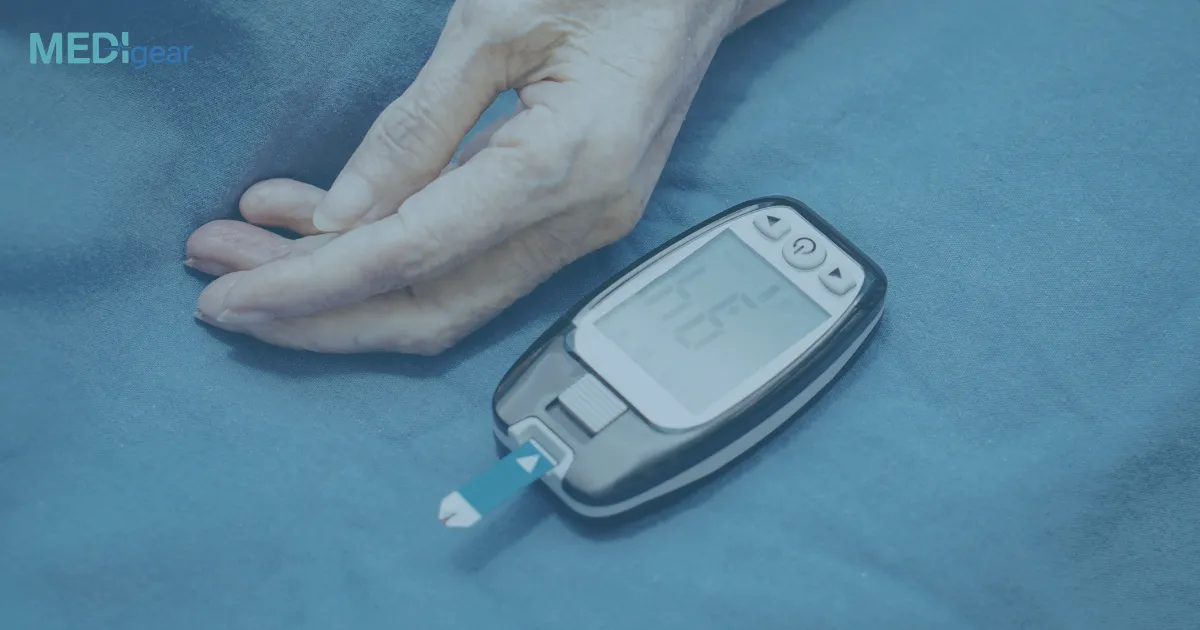
Hypoglycemia is a condition that occurs when blood glucose (blood sugar) levels fall below normal. Glucose is the body’s primary source of energy, especially for the brain. When blood sugar drops too low, the body and brain cannot function properly, leading to a range of physical and neurological symptoms. Early recognition of hypoglycemia is essential to prevent serious complications.
1. What Is Hypoglycemia?
Hypoglycemia is generally defined as a blood glucose level below 70 mg/dL (3.9 mmol/L). It is most commonly seen in people with diabetes, especially those using insulin or certain oral diabetes medications. However, it can also occur in non-diabetic individuals due to prolonged fasting, excessive alcohol intake, severe illness, or hormonal disorders.
2. Early (Mild) Symptoms of Hypoglycemia
In the early stages, the body releases stress hormones such as adrenaline to raise blood sugar. This causes noticeable warning signs, including:
- Shakiness or trembling
- Sweating
- Hunger
- Rapid heartbeat (palpitations)
- Anxiety or nervousness
- Pale skin
These symptoms act as early alerts and should be addressed immediately.
3. Moderate Symptoms of Hypoglycemia
As blood sugar continues to fall, the brain begins to suffer from glucose deprivation, leading to neuroglycopenic symptoms such as:
- Dizziness or lightheadedness
- Headache
- Blurred vision
- Difficulty concentrating
- Confusion or slowed thinking
- Slurred speech
- Weakness or fatigue
At this stage, immediate glucose intake is required.
4. Severe Symptoms of Hypoglycemia
If hypoglycemia is not treated promptly, it can become life-threatening. Severe symptoms include:
- Loss of coordination
- Seizures
- Loss of consciousness
- Unresponsiveness
- Coma
Severe hypoglycemia requires emergency medical attention.
5. Hypoglycemia Symptoms During Sleep
Low blood sugar during sleep may be harder to recognize. Possible signs include:
- Night sweats
- Restless sleep
- Nightmares
- Waking with headache or fatigue
- Confusion upon waking
Undetected nocturnal hypoglycemia can be especially dangerous.
6. Symptoms of Hypoglycemia in Older Adults
In elderly individuals, symptoms may be less obvious or mistaken for other conditions. Common signs include:
- Sudden confusion or delirium
- Behavioral changes
- Weakness or falls
- Blurred speech
This makes regular monitoring particularly important.
7. When to Seek Medical Help
Immediate medical attention is needed if:
- Symptoms worsen despite treatment
- The person cannot swallow safely
- There is loss of consciousness or seizure
- Hypoglycemia occurs frequently
Prompt intervention prevents long-term complications.
Conclusion
Hypoglycemia presents with a wide range of symptoms—from early warning signs like shakiness and sweating to severe neurological complications such as seizures and unconsciousness. Recognizing symptoms early and treating low blood sugar promptly is critical for preventing serious outcomes. Individuals at risk should be educated about symptoms and emergency response measures.
Disclaimer
This blog is for informational purposes only and does not replace professional medical advice. If you experience frequent or severe symptoms of hypoglycemia, consult a qualified healthcare provider for proper evaluation and treatment.