Alzheimer’s disease is a progressive neurodegenerative disorder that affects memory, thinking, and behavior. It is the most common cause of dementia worldwide and typically develops slowly over many years. Early recognition of symptoms is crucial because timely diagnosis helps improve long-term planning, treatment response, and quality of life.
1. What Is Alzheimer’s Disease?
Alzheimer’s occurs when abnormal protein deposits—amyloid plaques and tau tangles—build up in the brain, disrupting communication between neurons and eventually causing brain cell death. Over time, these changes lead to memory loss, behavioral changes, and impaired daily functioning.
2. Early Signs and Symptoms of Alzheimer’s
While Alzheimer’s progresses gradually, the earliest symptoms often appear years before diagnosis. Common early signs include:
a) Memory Loss
- Forgetting recent conversations or events
- Repeating questions
- Relying more on reminders and notes
b) Difficulty Planning or Problem-Solving
- Struggling with familiar tasks
- Trouble following steps in recipes, bills, or schedules
c) Confusion About Time or Place
- Losing track of dates
- Forgetting where they are or how they reached a location
d) Changes in Mood and Personality
- Increased irritability or anxiety
- Depression or withdrawal from social activities
e) Trouble Understanding Visual or Spatial Information
- Difficulty reading
- Challenges judging distance or recognizing faces
f) Problems With Speech or Writing
- Trouble finding the right words
- Losing track mid-sentence
- Repeating phrases
g) Misplacing Items and Losing Ability to Retrace Steps
- Putting objects in unusual places
- Accusing others of stealing
3. How Early Can Alzheimer’s Be Detected?
Early detection has improved significantly due to advancements in testing and imaging. Alzheimer’s can often be identified years before noticeable symptoms appear, during a stage known as Mild Cognitive Impairment (MCI).
a) Cognitive Assessments
Simple memory and thinking tests help detect early decline.
b) Brain Imaging
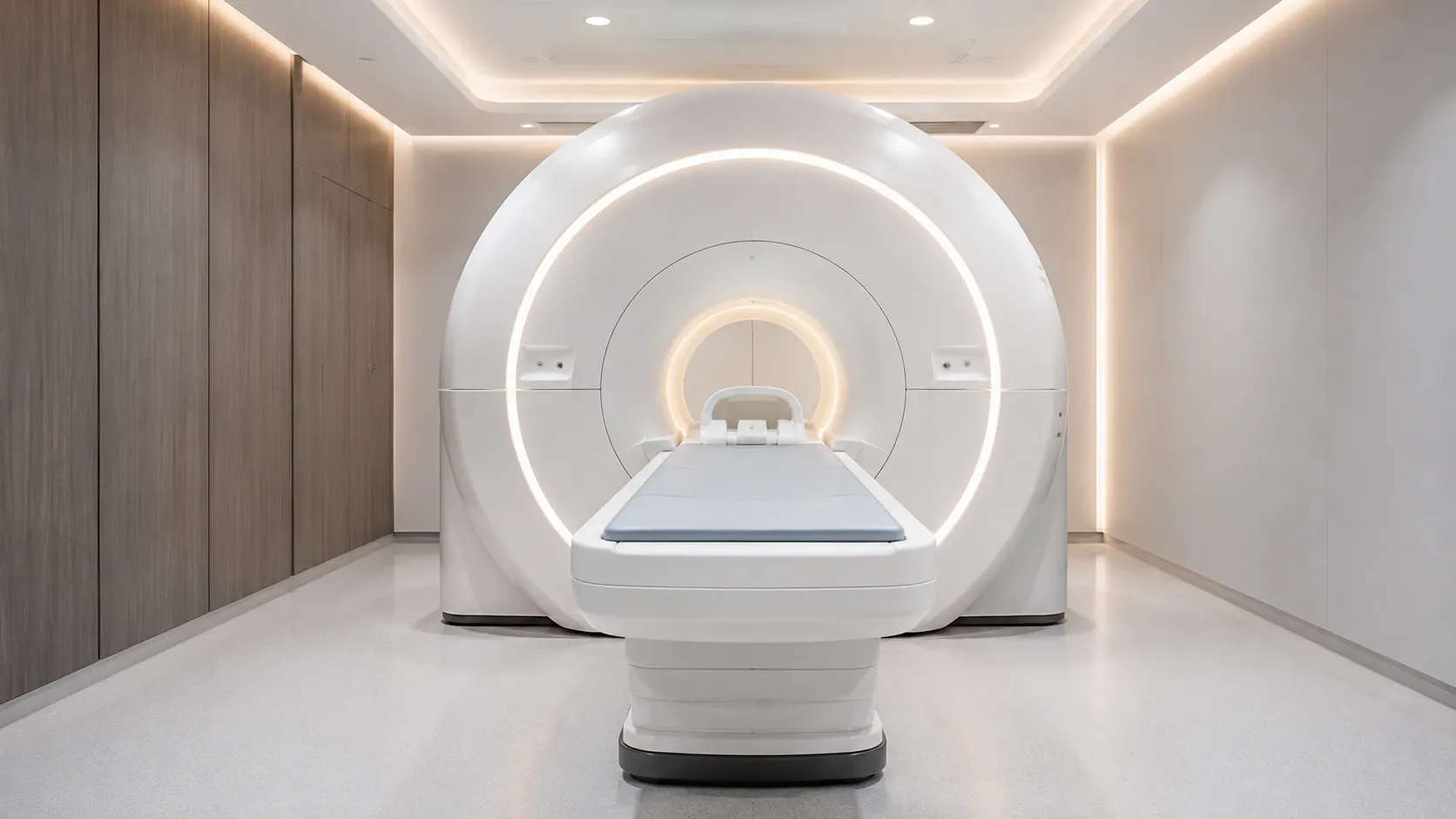
- MRI scans show shrinkage in memory-related brain regions
- PET scans can detect amyloid and tau deposits in the early stages
c) Biomarker Tests
Blood or cerebrospinal fluid tests can identify abnormal proteins associated with Alzheimer’s before symptoms are severe.
d) Genetic Testing
Used in special cases when family history or early onset is suspected.
e) Clinical Evaluation
Doctors use medical history, neurological exams, and interviews with family members to identify early signs.
4. Risk Factors That Increase the Need for Early Screening
Individuals should consider early evaluation if they have:
- Family history of Alzheimer’s
- Age over 60
- Cardiovascular issues (hypertension, diabetes, high cholesterol)
- History of head injury
- Poor sleep or chronic stress
- Genetic factors (such as APOE-ε4)
Early assessment helps initiate care, treatments, and lifestyle changes that slow progression.
5. Importance of Early Diagnosis
Early detection offers several advantages:
- Better response to medications
- Improved planning for long-term care
- Enhanced independence for longer
- Access to clinical trials
- Reduced anxiety for families through understanding and support strategies
Conclusion
Alzheimer’s disease begins long before severe memory problems appear. Recognizing early symptoms—such as memory lapses, confusion, and personality changes—can lead to earlier diagnosis and intervention. With advancing diagnostic tools and increased awareness, detecting Alzheimer’s early is now more achievable than ever.
Disclaimer
This blog is for informational purposes only and does not replace medical advice. If you or a loved one shows signs of memory loss or cognitive decline, consult a qualified healthcare professional for proper evaluation.