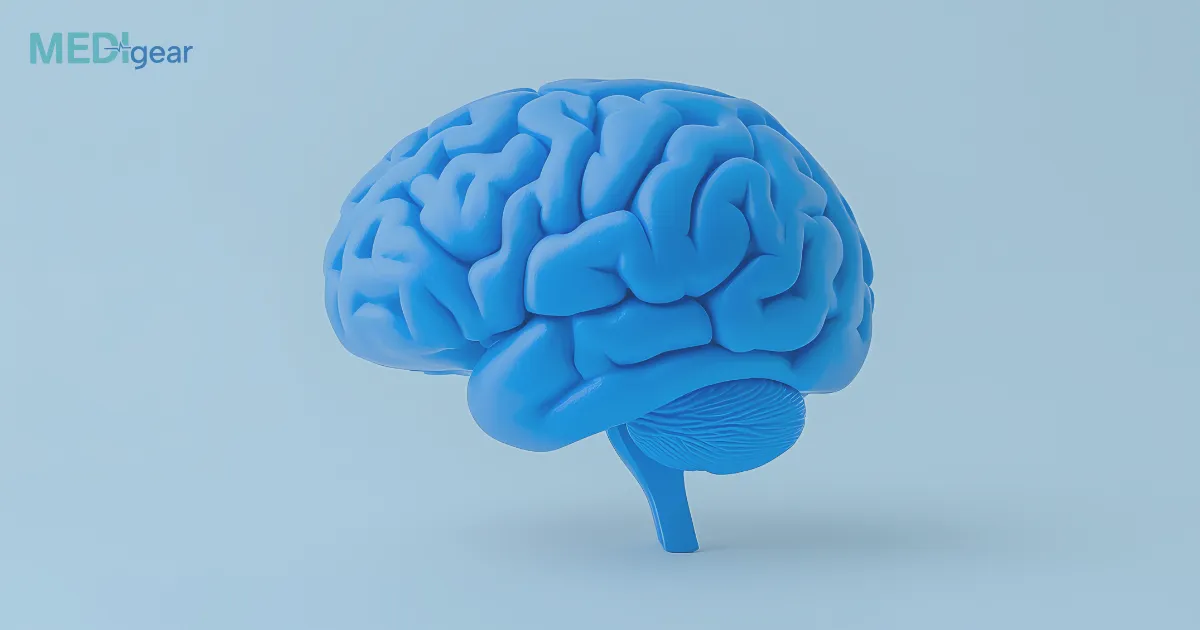
Neurological disorders affect the brain, spinal cord, and nerves throughout the body. These conditions can range from mild to life-threatening, including Alzheimer’s disease, Parkinson’s disease, epilepsy, multiple sclerosis, and neuropathies.
Recognizing the early signs of neurological disorders is essential for timely diagnosis, early treatment, and improved long-term outcomes.
1. Persistent Headaches or Migraines
Frequent or severe headaches that differ from your usual pattern may indicate underlying neurological issues.
Headaches caused by neurological disorders often come with additional symptoms such as nausea, dizziness, or visual disturbances.
If headaches are persistent, sudden, or progressively worsening, a neurological evaluation is recommended.
2. Numbness or Tingling Sensations
Tingling, burning, or loss of sensation in the hands, feet, or face can signal nerve damage or neuropathy.
These symptoms may be related to conditions like multiple sclerosis, peripheral neuropathy, or nerve compression syndromes.
3. Muscle Weakness or Loss of Coordination
Unexplained weakness, tremors, or difficulty in maintaining balance and coordination can be early signs of disorders such as Parkinson’s disease or stroke.
When motor function becomes impaired, it affects daily activities like walking, grasping, or speaking clearly.
4. Vision or Speech Problems
Sudden or progressive vision changes—like blurred or double vision—or difficulty speaking may indicate brain or nerve involvement.
These symptoms are common in multiple sclerosis, stroke, or brain lesions and should be assessed promptly.
5. Memory Loss and Cognitive Decline
Forgetting familiar names, places, or daily routines could be an early sign of Alzheimer’s disease or other forms of dementia.
Mild cognitive impairment (MCI) often precedes more severe memory disorders, and early management can help slow progression.
6. Seizures or Episodes of Unresponsiveness
Seizures are among the most recognizable neurological symptoms.
Unexplained episodes of staring, loss of awareness, or sudden jerking movements may indicate epilepsy or other brain function abnormalities.
7. Chronic Dizziness or Vertigo
Persistent dizziness, imbalance, or spinning sensations can result from issues in the brain or inner ear.
Conditions like vestibular disorders or neurological diseases affecting the cerebellum may cause such symptoms.
8. Changes in Mood or Personality
Neurological disorders can influence emotional regulation and behavior.
Sudden irritability, depression, anxiety, or personality changes may occur in early stages of diseases such as Parkinson’s, Huntington’s, or brain tumors.
9. Difficulty Swallowing or Speaking
Problems with swallowing (dysphagia) or slurred speech (dysarthria) can point to motor neuron disorders or early signs of stroke.
Prompt medical evaluation is vital to prevent further neurological damage.
10. Sleep Disturbances and Fatigue
Restless sleep, excessive daytime sleepiness, or sudden muscle weakness during wakefulness may suggest neurological dysfunction, including sleep-related disorders or narcolepsy.
Importance of Early Diagnosis
Early detection allows healthcare professionals to identify neurological disorders before irreversible damage occurs.
Neurological assessments, imaging (MRI or CT scans), and electrophysiological tests can help pinpoint the cause and guide treatment.
Prompt intervention improves quality of life and prevents complications.
Final Thoughts
Neurological disorders can develop gradually, often with subtle symptoms that are easy to overlook.
Paying attention to early warning signs such as numbness, memory loss, coordination issues, or speech problems can make a significant difference in treatment success.
If you or someone you know experiences persistent or unexplained neurological symptoms, seek medical advice from a qualified neurologist.
Disclaimer:
This blog post is for informational purposes only and does not replace professional medical advice. Always consult a neurologist or healthcare provider for diagnosis and treatment of neurological symptoms.
Sources:
- World Health Organization (WHO) – Neurological Disorders: Public Health Challenges