Endometriosis is a chronic gynecological condition that affects millions of women worldwide, often going undiagnosed for years. It occurs when tissue similar to the uterine lining (endometrium) grows outside the uterus, leading to inflammation, pain, and in some cases, fertility issues.
Early recognition is key — identifying the symptoms at an early stage allows for timely intervention, effective pain management, and improved quality of life.
1. Understanding Endometriosis
Normally, the endometrial tissue lines the uterus and sheds during menstruation. In endometriosis, similar tissue grows elsewhere — commonly on the ovaries, fallopian tubes, pelvic lining, bladder, or intestines.
Unlike normal uterine tissue, these misplaced cells cannot exit the body, leading to irritation, scar tissue (adhesions), and chronic inflammation.
2. Why Early Detection Matters
Endometriosis can take 7–10 years on average to diagnose, often because its symptoms overlap with other conditions like irritable bowel syndrome (IBS) or pelvic inflammatory disease (PID).
Recognizing early warning signs helps women seek medical attention sooner, potentially preventing complications such as infertility, ovarian cysts, and chronic pelvic pain.
3. Early Signs and Symptoms of Endometriosis
a. Painful Periods (Dysmenorrhea)
Severe menstrual cramps that interfere with daily activities are often one of the earliest and most common symptoms.
Pain may begin a few days before menstruation, peak during the period, and sometimes continue afterward.
Unlike typical menstrual discomfort, endometriosis-related pain is often described as sharp, burning, or radiating to the lower back and thighs.
b. Pelvic Pain Between Periods
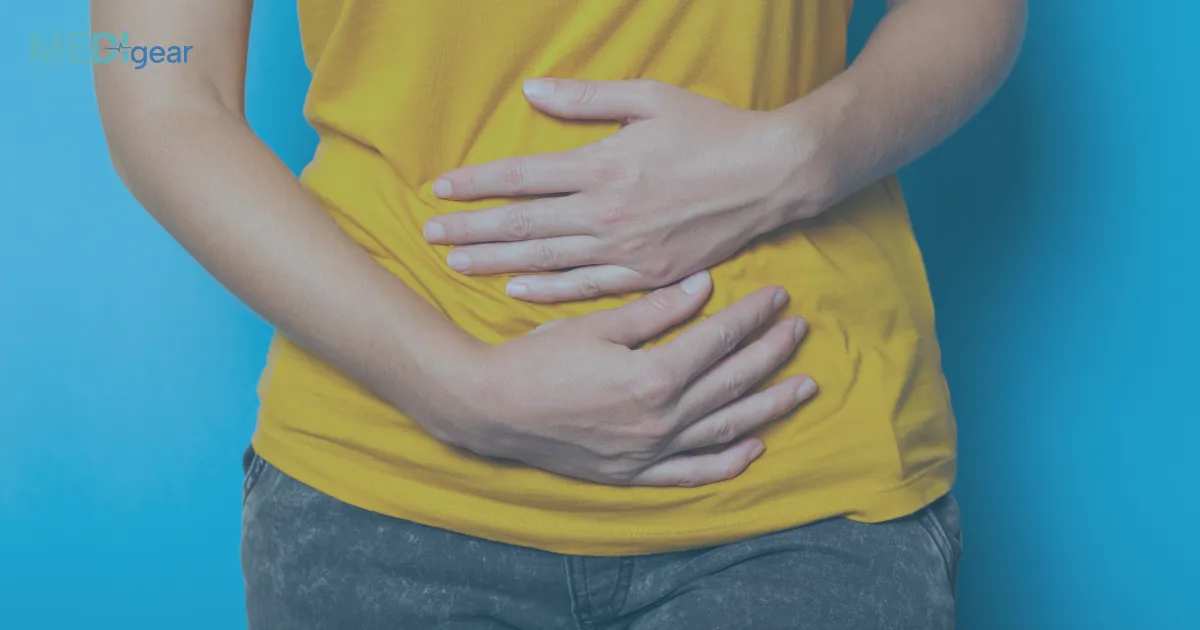
Many women experience persistent pelvic or lower abdominal pain even outside their menstrual cycle.
This pain may worsen with physical activity, bowel movements, or sexual intercourse — a sign that endometrial tissue may be growing beyond the uterus.
c. Pain During or After Intercourse (Dyspareunia)
Pain during deep penetration is a key indicator of endometriosis involving the uterus, vagina, or pelvic ligaments.
Over time, scarring and adhesions can make intercourse increasingly uncomfortable, affecting both physical and emotional wellbeing.
d. Heavy or Irregular Menstrual Bleeding
Endometriosis can cause menorrhagia (heavy bleeding) or spotting between cycles.
Some women notice longer periods or the passage of large blood clots — symptoms often mistaken for hormonal imbalance.
e. Painful Bowel Movements or Urination
When endometrial tissue grows near the bladder or intestines, women may experience:
- Pain during bowel movements
- Urgency or burning while urinating
- Bloating or constipation, particularly during menstruation
These symptoms are frequently misattributed to digestive disorders, leading to delayed diagnosis.
f. Fatigue and Low Energy
Chronic inflammation, blood loss, and pain can lead to persistent fatigue.
Many women report exhaustion that feels disproportionate to their daily activities, often mistaken for stress or anemia.
g. Infertility or Difficulty Conceiving
Endometriosis can interfere with ovulation, egg transport, or implantation.
For some women, infertility may be the first sign of an underlying endometriosis diagnosis.
According to research, up to 40% of women with infertility are found to have endometriosis.
4. Risk Factors and Associated Conditions
While the exact cause remains unknown, several factors may increase risk:
- Family history of endometriosis
- Early onset of menstruation (before age 11)
- Short menstrual cycles (<27 days)
- Heavy bleeding lasting more than 7 days
- Low body mass index (BMI)
- Autoimmune or inflammatory disorders
Endometriosis is also linked to adenomyosis, fibroids, and autoimmune diseases, indicating a broader inflammatory response.
5. When to See a Doctor
Seek medical evaluation if you experience:
- Severe or worsening menstrual pain
- Heavy, irregular periods
- Pain during sex or bowel movements
- Fatigue that disrupts daily life
Diagnosis often involves pelvic examination, ultrasound, MRI, or laparoscopy — the gold standard for confirming endometriosis and determining its severity.
6. Managing and Treating Endometriosis
Although there is no permanent cure, treatment focuses on symptom control and fertility preservation.
Options include:
- Medication: Hormonal therapy (oral contraceptives, progestins, GnRH agonists) to suppress tissue growth.
- Pain management: Nonsteroidal anti-inflammatory drugs (NSAIDs) for pain relief.
- Surgery: Laparoscopic excision of lesions and scar tissue for advanced cases.
- Lifestyle management: Balanced diet, regular exercise, and stress reduction to reduce inflammation and discomfort.
Early diagnosis and multidisciplinary care — involving gynecologists, pain specialists, and fertility experts — can greatly improve outcomes.
Final Thoughts
Endometriosis is a complex but manageable condition when detected early.
Recognizing symptoms like severe menstrual pain, pelvic discomfort, and fatigue can lead to timely intervention, reducing complications and improving reproductive health.
Increased awareness, regular gynecologic checkups, and open communication with healthcare providers remain essential for early diagnosis and long-term management of endometriosis.
Disclaimer:
This article is for informational purposes only and does not replace professional medical advice. If you experience persistent pelvic pain or menstrual irregularities, consult a qualified gynecologist.