
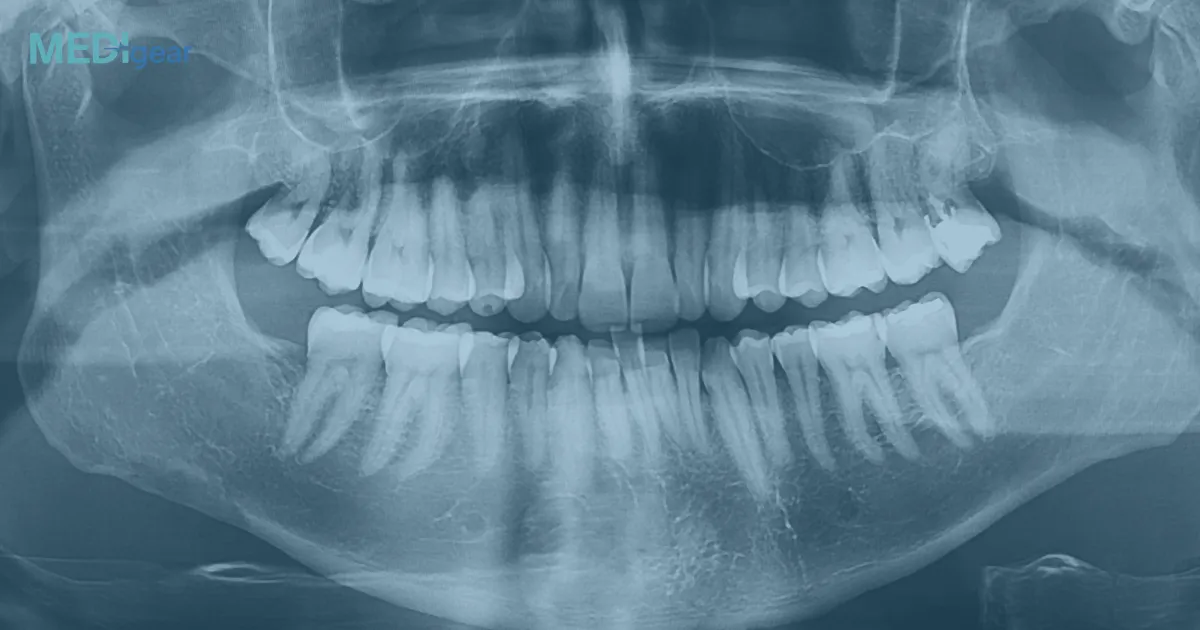
Dental X-rays are an essential diagnostic tool that help dentists detect problems not visible during a routine examination. They reveal hidden issues such as cavities between teeth, bone loss, infections, and the position of unerupted teeth.
But how often should you get—or replace—your dental X-rays? The answer depends on your age, oral health, and risk factors.
Understanding the Role of Dental X-Rays
Dental X-rays (radiographs) allow dentists to visualize structures beneath the surface of teeth and gums.
They help identify:
- Tooth decay under fillings or between teeth
- Gum disease and bone loss
- Cysts, abscesses, or tumors
- Impacted wisdom teeth
- Developmental issues in children
By detecting early changes, dental X-rays help prevent minor dental problems from turning into complex or costly treatments.
Recommended Frequency of Dental X-Rays
There is no one-size-fits-all schedule for dental X-rays. Dentists base the frequency on individual needs, medical history, and oral health status.
1. For New Patients:
If you are visiting a new dentist for the first time, a full set of dental X-rays (known as full-mouth series or panoramic X-rays) is usually taken to provide a complete baseline record.
2. For Adults With Good Oral Health:
Dental X-rays are generally recommended once every 1 to 2 years for patients with no history of gum disease or frequent cavities.
3. For Adults at Higher Risk:
If you have ongoing dental issues—such as gum disease, multiple restorations, or a high rate of decay—your dentist may recommend X-rays every 6 to 12 months.
4. For Children and Teens:
Because developing teeth and jaws change rapidly, children may need X-rays every 6 to 12 months to monitor growth and detect cavities early.
5. For Post-Treatment Monitoring:
After procedures like root canals, implants, or periodontal therapy, dentists often take follow-up X-rays to ensure proper healing and stability.
Factors That Influence X-Ray Frequency
Several factors determine how often you should replace or update your dental X-rays:
- Age: Younger patients may need more frequent imaging.
- Oral Hygiene Habits: Poor brushing and flossing habits increase the need for monitoring.
- History of Cavities or Gum Disease: Higher risk requires closer observation.
- Dietary Habits: Frequent sugar or acid exposure increases decay risk.
- Smoking: Raises the likelihood of gum and bone issues.
Your dentist will balance diagnostic needs with minimizing radiation exposure, following ALARA principles — “As Low As Reasonably Achievable.”
Safety of Dental X-Rays
Modern dental X-rays use very low radiation doses, especially with digital systems. The amount of exposure is minimal — about the same as a few hours of natural background radiation.
Protective lead aprons and thyroid collars further reduce any risk, making dental X-rays safe for patients of all ages.
Final Thoughts
Dental X-rays are vital for early detection and preventive care.
Most patients benefit from updated X-rays every 1–2 years, though those with active dental issues may need them more often.
Regular communication with your dentist ensures that you receive the right level of imaging for your oral health needs—keeping your smile strong and healthy for years to come.
Disclaimer:
This blog post is for informational purposes only and does not replace professional dental advice. Always consult your dentist to determine how often you need dental X-rays based on your specific oral health condition.