Access to quality healthcare remains one of the greatest challenges in global public health. Geographic barriers, workforce shortages, and socioeconomic inequalities continue to limit timely care for millions.
Telemedicine, the use of digital communication technologies to deliver clinical services remotely, is bridging this gap — expanding access, reducing disparities, and creating a more equitable healthcare landscape worldwide.
By enabling patients to connect with healthcare professionals regardless of location or circumstance, telemedicine is transforming how, where, and when people receive care.
1. Expanding Access to Remote and Underserved Areas
One of telemedicine’s most powerful contributions to healthcare equity is its ability to reach patients in rural and underserved regions.
In many low-resource settings, traveling to a hospital may take hours or even days. Teleconsultations allow patients to access specialists from local clinics or their own homes, eliminating the barrier of distance.
Example:
Rural patients can now consult cardiologists, endocrinologists, or dermatologists through secure video platforms without needing to travel to urban centers.
This model not only reduces transportation costs but also ensures timely diagnosis and treatment.
2. Reducing Socioeconomic Barriers
Traditional healthcare often comes with hidden costs — transportation, time off work, and childcare. Telemedicine removes many of these burdens by offering virtual consultations that fit into patients’ schedules.
For low-income individuals, this translates to more consistent medical follow-ups and fewer delays in seeking care.
Furthermore, community-based telehealth hubs equipped with internet access and basic diagnostic tools can support patients who lack personal technology at home.
3. Enhancing Access to Specialists
In many regions, there is a shortage of medical specialists. Telemedicine platforms connect primary care providers with specialists through teleconsultation networks, enabling collaborative decision-making and faster referrals.
For example:
- A general practitioner in a small town can consult an oncologist in real time.
- A remote hospital can transmit imaging scans for radiological review.
This interconnected care model enhances diagnostic accuracy and ensures patients receive expert guidance regardless of geography.
4. Supporting Preventive and Continuous Care
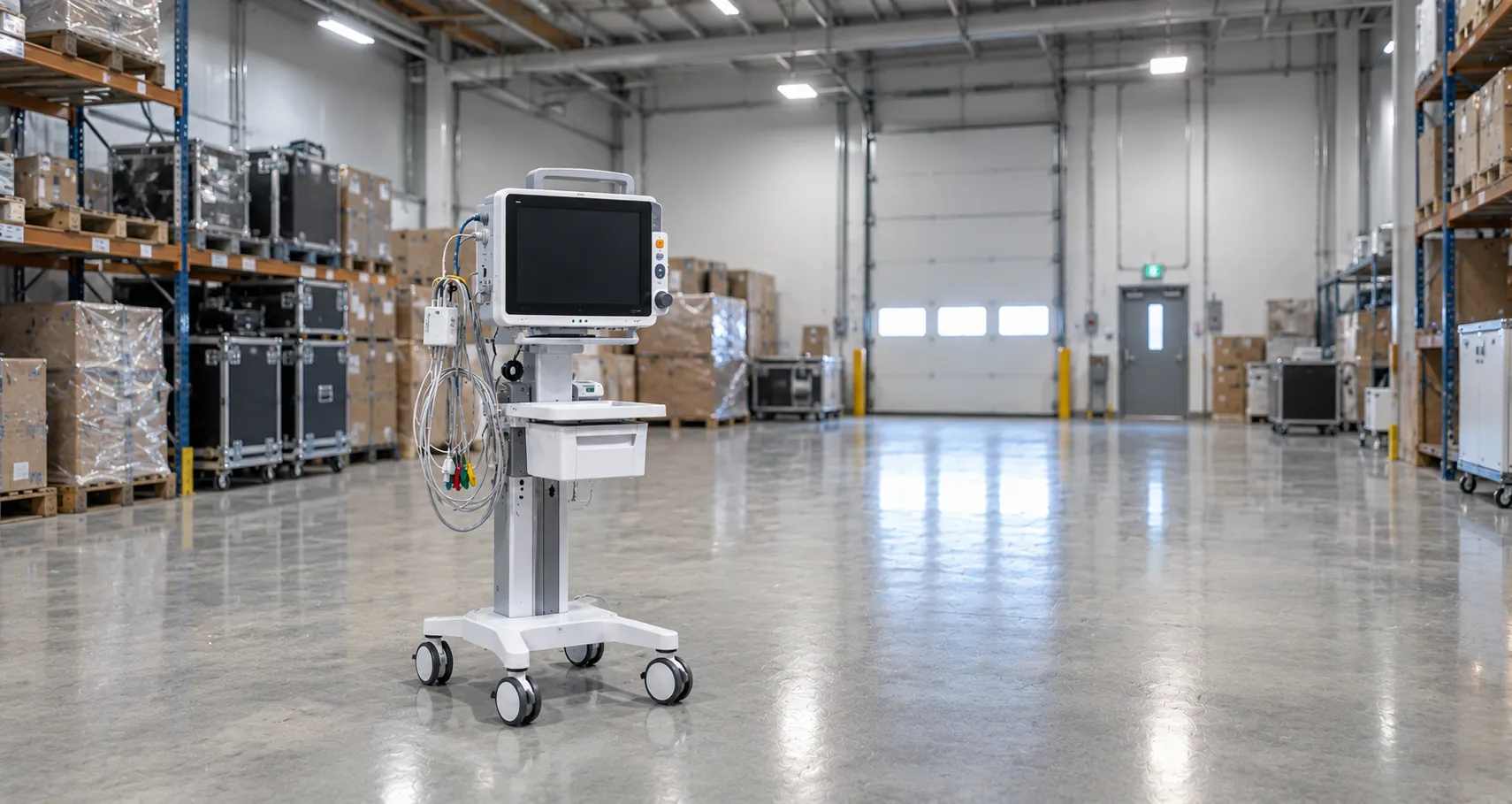
Telemedicine enables continuous patient monitoring through remote health devices and digital health apps that track vital signs, glucose levels, and blood pressure.
Early detection of abnormalities allows for prompt intervention — a key factor in preventing disease progression, especially for chronic conditions such as diabetes, hypertension, or heart disease.
This proactive approach is particularly valuable for patients in marginalized communities who may otherwise delay medical visits due to cost or access barriers.
5. Empowering Patients Through Digital Inclusion
Telemedicine promotes patient empowerment by increasing health literacy and engagement.
Educational telehealth sessions, mobile health apps, and remote follow-ups encourage patients to take an active role in managing their own health.
Additionally, multilingual and culturally sensitive telehealth platforms make it easier for diverse populations to communicate and understand their care options — a crucial step toward achieving equity in outcomes.
6. Improving Healthcare for People with Disabilities and the Elderly
For individuals with mobility challenges, disabilities, or age-related limitations, telemedicine offers convenient access to consultations without physical strain.
Remote physiotherapy, mental health counseling, and medication management can all be performed safely at home.
This inclusive approach ensures that vulnerable populations receive consistent care without logistical or physical barriers.
7. Addressing Mental Health Disparities
Telepsychiatry and virtual therapy have revolutionized mental health care accessibility.
In areas where mental health professionals are scarce, online counseling sessions make it possible for patients to receive timely support — reducing stigma and improving continuity of care.
This is particularly impactful for adolescents, rural populations, and underserved groups who historically face greater obstacles in accessing behavioral health services.
8. Strengthening Public Health and Crisis Response
During global health emergencies such as the COVID-19 pandemic, telemedicine proved essential in maintaining healthcare delivery while minimizing infection risk.
It enabled triage, remote diagnosis, and continuous care without overloading hospitals — demonstrating its importance in both emergency preparedness and equitable healthcare continuity.
9. Overcoming Challenges to Ensure Equity
While telemedicine promotes inclusivity, it is not without barriers:
- Limited broadband access in rural regions
- Digital literacy gaps
- Language and cultural differences
- Privacy and data security concerns
Governments and healthcare systems are addressing these gaps through digital infrastructure investments, telehealth training, and standardized regulations to ensure that telemedicine remains both accessible and equitable.
Final Thoughts
Telemedicine is redefining healthcare equity by removing geographical, financial, and logistical barriers to care.
From virtual consultations to digital diagnostics and remote monitoring, it ensures that patients — regardless of where they live or what they earn — can access timely, high-quality medical services.
As technology continues to advance, telemedicine will remain a cornerstone of equitable healthcare, fostering inclusivity, early intervention, and improved global health outcomes for all.
Disclaimer:
This article is for informational purposes only and does not substitute professional medical or policy advice. Always consult healthcare professionals or relevant authorities for specific guidance on telemedicine practices.