Good posture is more than just standing up straight — it is a fundamental component of spinal health.
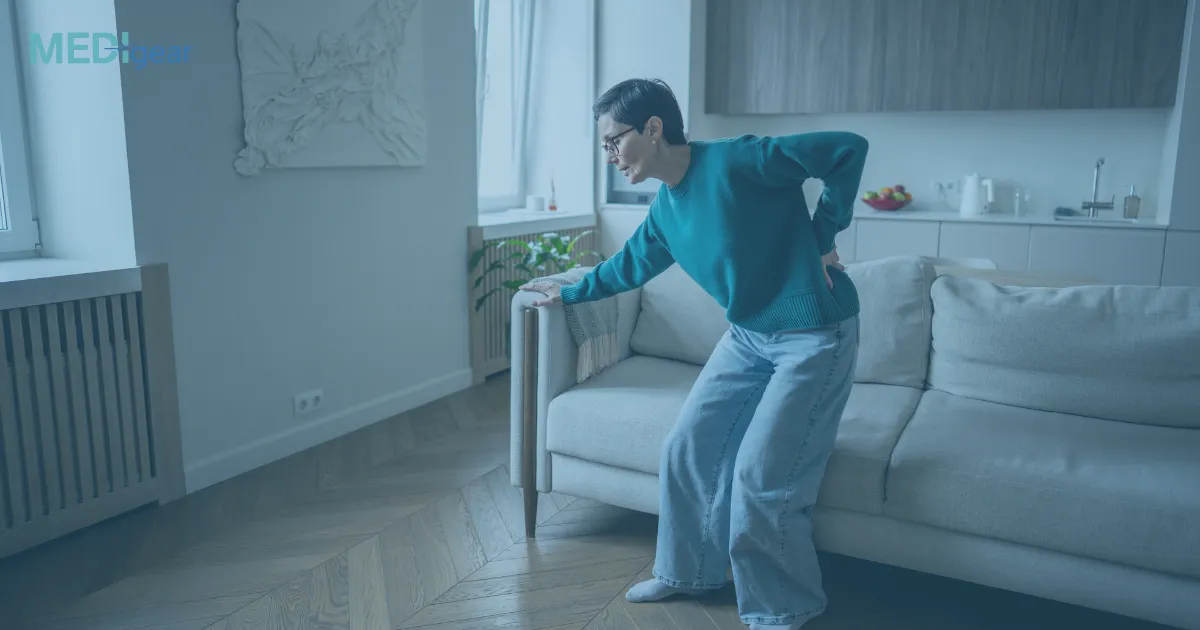
Poor posture places abnormal stress on the neck, shoulders, and spine, leading to chronic pain, nerve compression, reduced mobility, and long-term musculoskeletal problems.
Correcting posture early can prevent these complications and promote a healthier, stronger spine.
Posture correction involves training the body to sit, stand, and move in ways that place the least strain on supporting muscles and ligaments. Through ergonomic adjustments, strengthening exercises, and body-awareness techniques, posture correction can significantly reduce the risk of spinal disorders.
1. Why Poor Posture Causes Spinal Problems
When posture is misaligned, the spine is forced out of its natural curvature. Over time, this leads to:
- Muscle fatigue and imbalance
- Joint compression
- Disc pressure and degeneration
- Restricted movement and stiffness
- Neck and lower-back strain
Forward head posture, rounded shoulders, slouched sitting, and prolonged screen time worsen these effects and accelerate wear on the spine.
2. How Posture Correction Helps Prevent Spinal Issues
a. Restores Natural Spinal Curvature
Correct posture maintains the spine’s three natural curves: cervical, thoracic, and lumbar.
This alignment reduces mechanical stress and keeps the vertebrae properly supported.
b. Reduces Disc Pressure and Prevents Degeneration
Poor posture increases pressure on spinal discs, raising the risk of herniated discs and degenerative disc disease.
Proper alignment distributes body weight evenly, protecting disc health.
c. Improves Muscle Balance and Strength
Posture correction trains weakened muscles to activate correctly.
Strong postural muscles support the spine, reduce fatigue, and prevent strain injuries.
d. Enhances Lung Capacity and Circulation
Slouched posture compresses the lungs and diaphragm.
Correct alignment opens the chest, improving oxygen intake and circulation — essential for spinal tissue healing.
e. Prevents Nerve Compression
Bad posture can pinch nerves in the neck and lower back, causing tingling, numbness, or radiating pain.
Correct posture relieves pressure on nerve pathways.
f. Supports Long-Term Joint Health
Proper alignment prevents uneven wear on spinal joints, reducing the risk of:
- Osteoarthritis
- Facet joint irritation
- Chronic inflammation
3. Common Posture Correction Methods
- Ergonomic adjustments (desk height, chair support, monitor level)
- Core and back strengthening exercises
- Stretching tight muscles (hamstrings, hip flexors, chest)
- Physiotherapy and guided posture training
- Use of posture-correcting devices or wearables
- Mindfulness techniques (body awareness, movement habits)
Correct posture is a combination of muscle conditioning, proper workstation setup, and daily habits.
4. Long-Term Benefits of Posture Correction
- Reduced back, neck, and shoulder pain
- Lower risk of spinal deformities
- Better mobility and flexibility
- Improved breathing and energy levels
- Enhanced balance and body control
- Prevention of chronic spinal disorders
Posture correction not only protects the spine but enhances overall physical performance and well-being.
Final Thoughts
Posture correction is one of the simplest and most effective strategies for preventing spinal issues.
By maintaining proper alignment, individuals can reduce disc pressure, avoid nerve compression, strengthen supporting muscles, and preserve long-term spinal health.
Regular attention to posture — combined with ergonomic practices and muscle training — creates a strong foundation for a healthy, pain-free spine.