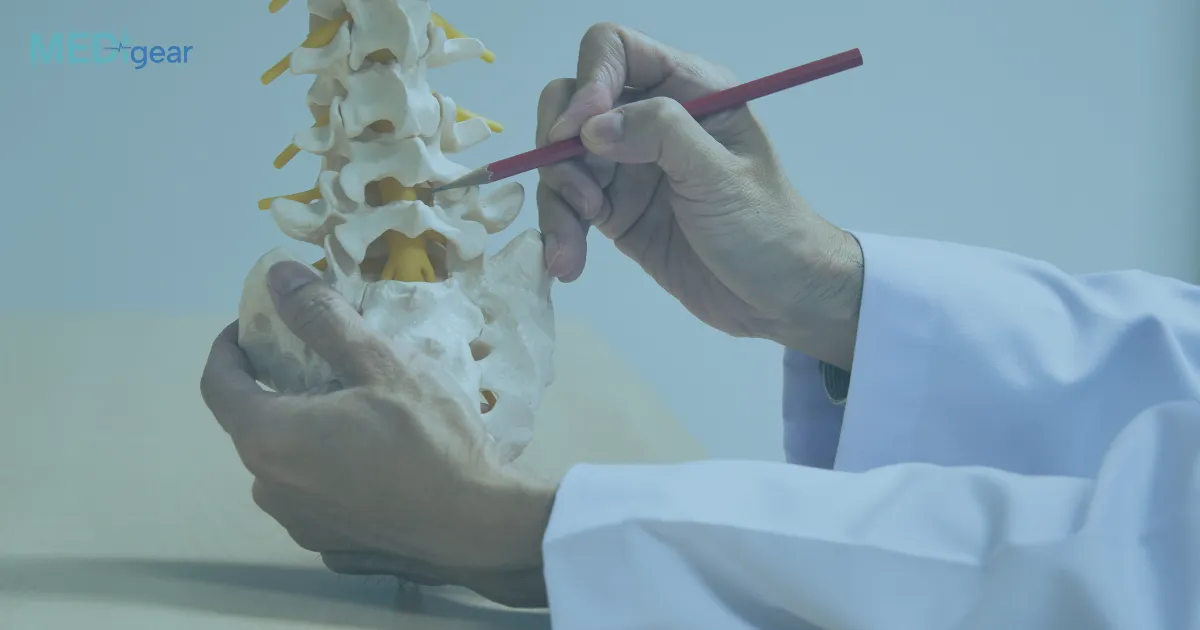
Bone density refers to the amount of mineral content—primarily calcium and phosphorus—within bones. It is a key indicator of bone strength and overall skeletal health. As people age, bone density naturally changes, affecting fracture risk, mobility, and quality of life. Understanding how bone density evolves over time helps in preventing bone-related disorders such as osteoporosis.
1. Bone Development in Childhood and Adolescence
Bone density increases rapidly during childhood and adolescence. During these years:
- Bones grow in size, strength, and density
- Adequate nutrition, physical activity, and hormones support bone formation
- Peak bone mass begins to build
By the late teens and early twenties, most individuals reach their maximum bone density, known as peak bone mass.
2. Peak Bone Mass in Early Adulthood
Peak bone mass is typically achieved between the ages of 25 and 30. At this stage:
- Bone formation and bone breakdown are balanced
- Bones are at their strongest and densest
- Lifestyle factors such as diet, exercise, smoking, and alcohol use significantly influence long-term bone health
The higher the peak bone mass, the lower the risk of fractures later in life.
3. Gradual Bone Loss After Age 30
After peak bone mass is reached:
- Bone breakdown slowly begins to exceed bone formation
- Bone density declines gradually over time
- Bone loss is usually slow and often unnoticed in early stages
This gradual loss is a normal part of aging but can be accelerated by poor nutrition, inactivity, or certain medical conditions.
4. Accelerated Bone Loss in Midlife
In Women
Women experience accelerated bone loss after menopause due to a sharp decline in estrogen, a hormone that protects bone strength. During this phase:
- Bone loss may increase rapidly for several years
- Risk of osteoporosis rises significantly
- Fracture risk increases, especially in the spine, hips, and wrists
In Men
Men also lose bone density with age, but the process is slower and more gradual. Testosterone helps preserve bone mass, delaying severe bone loss until later life.
5. Bone Density Changes in Older Age
In older adults:
- Bones become thinner and more brittle
- Micro-structural changes weaken bone integrity
- Healing after fractures becomes slower
This stage carries the highest risk of fractures, especially hip and spinal fractures, which can significantly affect independence and overall health.
6. Factors That Influence Bone Density With Age
Several factors affect how quickly bone density changes:
- Genetics
- Calcium and vitamin D intake
- Physical activity, especially weight-bearing exercise
- Hormonal changes
- Smoking and alcohol consumption
- Certain medications (such as long-term steroids)
- Chronic medical conditions
Managing these factors can slow bone loss and preserve bone strength.
7. Signs of Low Bone Density
Low bone density often develops silently. Possible warning signs include:
- Frequent fractures
- Loss of height
- Stooped posture
- Chronic back pain
Because symptoms appear late, screening is essential for early detection.
8. Importance of Early Prevention and Monitoring
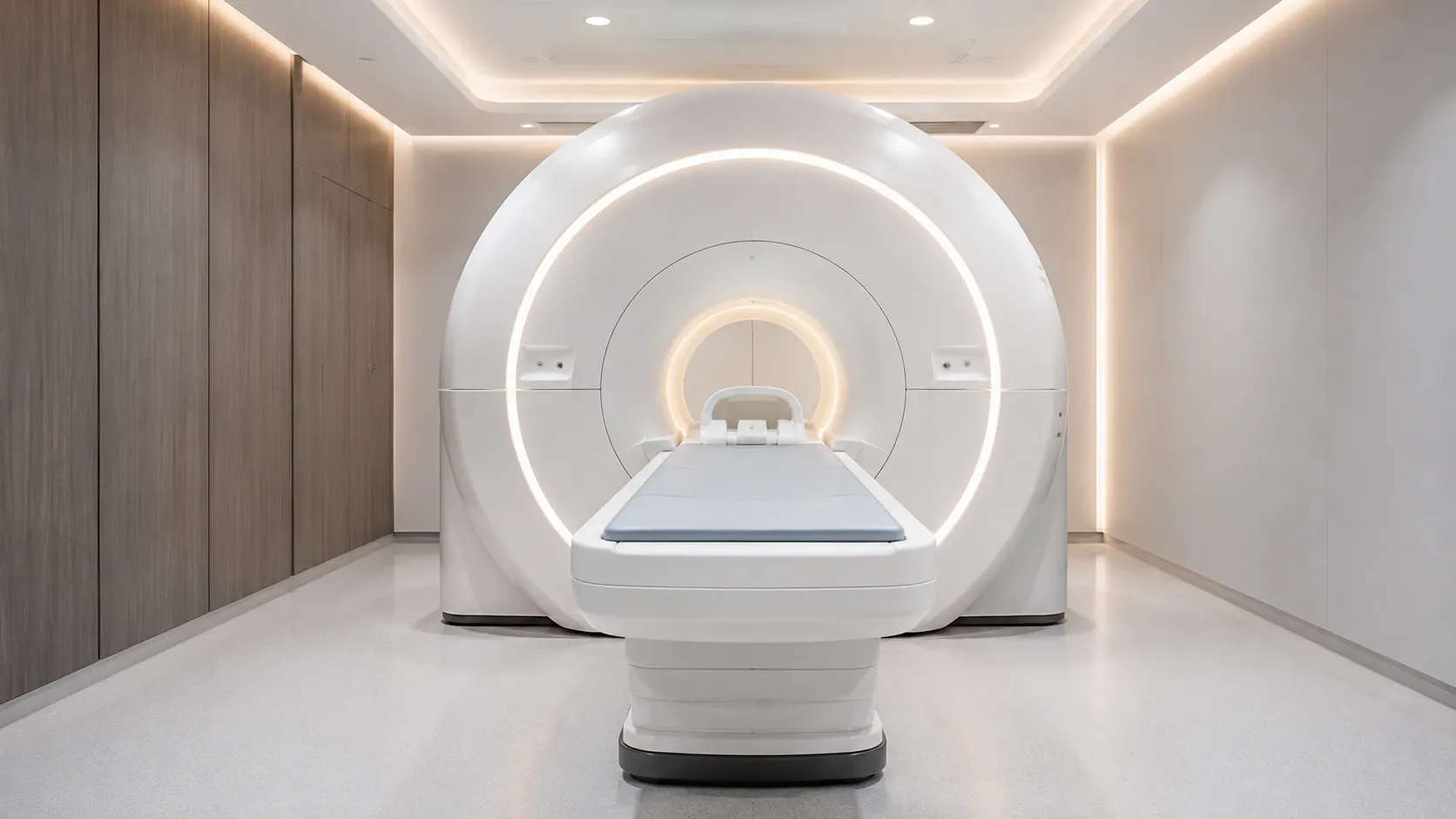
Bone density testing (such as DEXA scans) helps assess bone strength and fracture risk. Early intervention through nutrition, exercise, and medical treatment can:
- Reduce fracture risk
- Slow bone loss
- Improve mobility and independence
- Support healthy aging
Conclusion
Bone density increases through childhood and peaks in early adulthood, followed by gradual decline with age. Hormonal changes, lifestyle habits, and overall health significantly influence this process. By understanding how bone density changes over time and taking preventive steps early, individuals can protect skeletal health and reduce the risk of osteoporosis and fractures later in life.
Disclaimer
This blog is for informational purposes only and does not replace professional medical advice. For bone density assessment or treatment, consult a qualified healthcare provider.